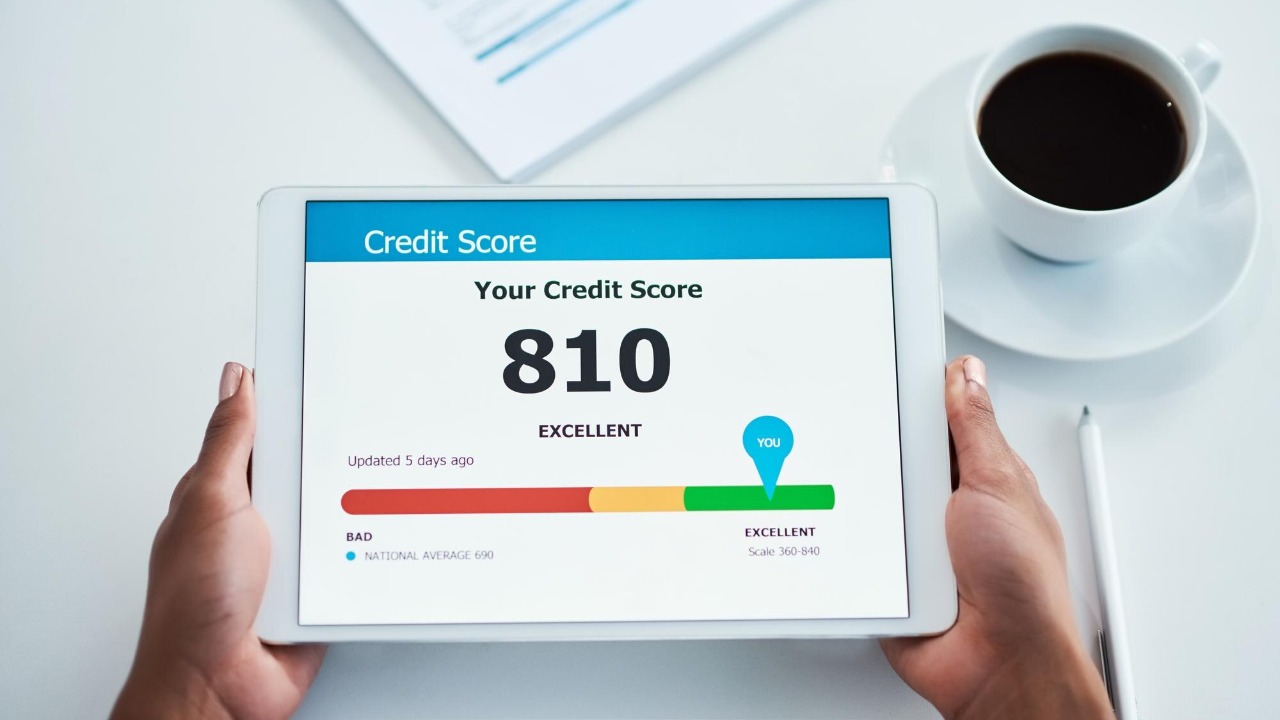
Achieving a credit score above 800 is a significant milestone that opens the door to numerous financial advantages. This elite status, often referred to as the “800+ club,” is characterized by disciplined financial habits and strategic credit management. Understanding and adopting these habits can help individuals improve their credit scores and enjoy the benefits that come with them.
Paying Bills on Time Every Month
One of the most critical habits of individuals with credit scores above 800 is their unwavering commitment to paying bills on time. Consistent, timely payments form the backbone of a high credit score, as they directly impact the payment history component, which accounts for a significant portion of the score. Many high scorers utilize automated payment systems to ensure they never miss a due date, thereby avoiding late fees and negative marks on their credit reports. This strategy is highlighted in a Kiplinger article that emphasizes the importance of on-time payments.
Automating payments not only prevents late fees but also contributes to a positive payment history over time. This practice is supported by insights from a KRON4 report, which outlines how such habits can lead to an 800+ credit score. The long-term impact of maintaining a spotless payment history is further explained in a Bankrate guide, which details how payment history is a crucial component of credit scoring models.
Keeping Credit Utilization Below 30%
Maintaining a low credit utilization ratio is another hallmark of individuals with high credit scores. This involves keeping balances low relative to credit limits, ideally below 30%. A Fox43 article reveals that those in the “800+ club” often keep their utilization even lower, under 10%, to optimize their scores.
One effective strategy to manage credit utilization is to request credit limit increases without triggering hard inquiries, which can temporarily lower scores. This approach is discussed in the Kiplinger article, which suggests that increasing credit limits can help lower utilization ratios. Real-world examples of maintaining low utilization are also highlighted in the Bankrate guide, which underscores the importance of this practice for achieving and maintaining high credit scores.
Maintaining a Long Credit History
A long credit history is a significant factor in achieving a high credit score. Individuals with scores above 800 often have an established track record that spans several years. The benefits of a lengthy credit history are emphasized in a Fox43 feature, which highlights the importance of maintaining old accounts to preserve credit history length.
To avoid shortening their credit history, high scorers typically refrain from closing old accounts, even if they are no longer actively used. This practice is supported by a KRON4 article, which advises against actions that could negatively impact credit history. For younger individuals, building credit history gradually is crucial, and strategies for doing so are outlined in the Kiplinger article.
Limiting New Credit Applications
Minimizing new credit applications is a strategic move for maintaining a high credit score. Each application can result in a hard inquiry, which may lower the score temporarily. The importance of limiting these inquiries is detailed in a Bankrate guide, which explains how preserving scores involves careful management of credit applications.
Multiple applications in a short period can have a cumulative negative effect on credit scores. This is highlighted in the Kiplinger article, which advises spacing out applications over time. The KRON4 report also emphasizes the importance of strategic timing when applying for new credit to maintain a high score.
Diversifying Types of Credit
A diverse credit portfolio can positively impact credit scores by demonstrating the ability to manage different types of credit responsibly. This involves balancing revolving credit, like credit cards, with installment loans, such as mortgages or auto loans. The benefits of a balanced credit mix are discussed in a Fox43 article.
Adding new types of credit should be done responsibly to avoid over-diversification, which can pose risks. The Kiplinger article suggests that strategic additions, like a mortgage or auto loan, can enhance credit scores. The Bankrate guide further advises on managing credit diversity to maintain a high score.
Regularly Monitoring Credit Reports
Regular credit report monitoring is essential for maintaining a high credit score. By checking reports annually, individuals can catch errors early and dispute inaccuracies. This proactive approach is a habit of those with scores above 800, as noted in a KRON4 report.
Using free tools to monitor credit and address discrepancies is emphasized in a Fox43 article. The importance of proactive monitoring is further supported by the Kiplinger article, which highlights how regular checks can help maintain credit excellence.
Avoiding Closing Old Accounts
Keeping old accounts open is a strategic move to maintain a long credit history and favorable credit utilization. This practice is recommended in a Bankrate guide, which explains how aged accounts contribute to credit score stability.
While some old accounts may have annual fees, the potential downsides can be mitigated by negotiating lower fees or switching to no-fee options. This approach is discussed in a KRON4 article. Examples of individuals who retain legacy cards to maintain their high scores are highlighted in the Kiplinger article.
Paying Off Debts Strategically
Strategic debt repayment is crucial for maintaining a low credit utilization ratio and achieving a high credit score. Prioritizing high-interest debts while keeping utilization low is a common practice among those with scores above 800, as noted in a Fox43 article.
Debt repayment methods such as the snowball or avalanche approach can be adapted to maintain score health, as discussed in the Kiplinger article. Additionally, balance transfers can offer quick wins in managing debt, as suggested by the Bankrate guide.
Building Credit from a Young Age
Starting to build credit early is a foundational habit for achieving a high credit score. Young individuals can begin with secured credit cards or by becoming authorized users on a parent’s account, as outlined in a KRON4 report.
Parental guidance and early financial responsibility are crucial for long-term credit success, as highlighted in a Fox43 article. Sustained growth into the 800+ territory is further detailed in the Kiplinger article, which emphasizes the importance of starting early and maintaining good habits over time.
More From TheDailyOverview
- Dave Ramsey warns to stop 401(k) contributions
- 11 night jobs you can do from home (not exciting but steady)
- Small U.S. cities ready to boom next
- 19 things boomers should never sell no matter what

Cole Whitaker focuses on the fundamentals of money management, helping readers make smarter decisions around income, spending, saving, and long-term financial stability. His writing emphasizes clarity, discipline, and practical systems that work in real life. At The Daily Overview, Cole breaks down personal finance topics into straightforward guidance readers can apply immediately.

