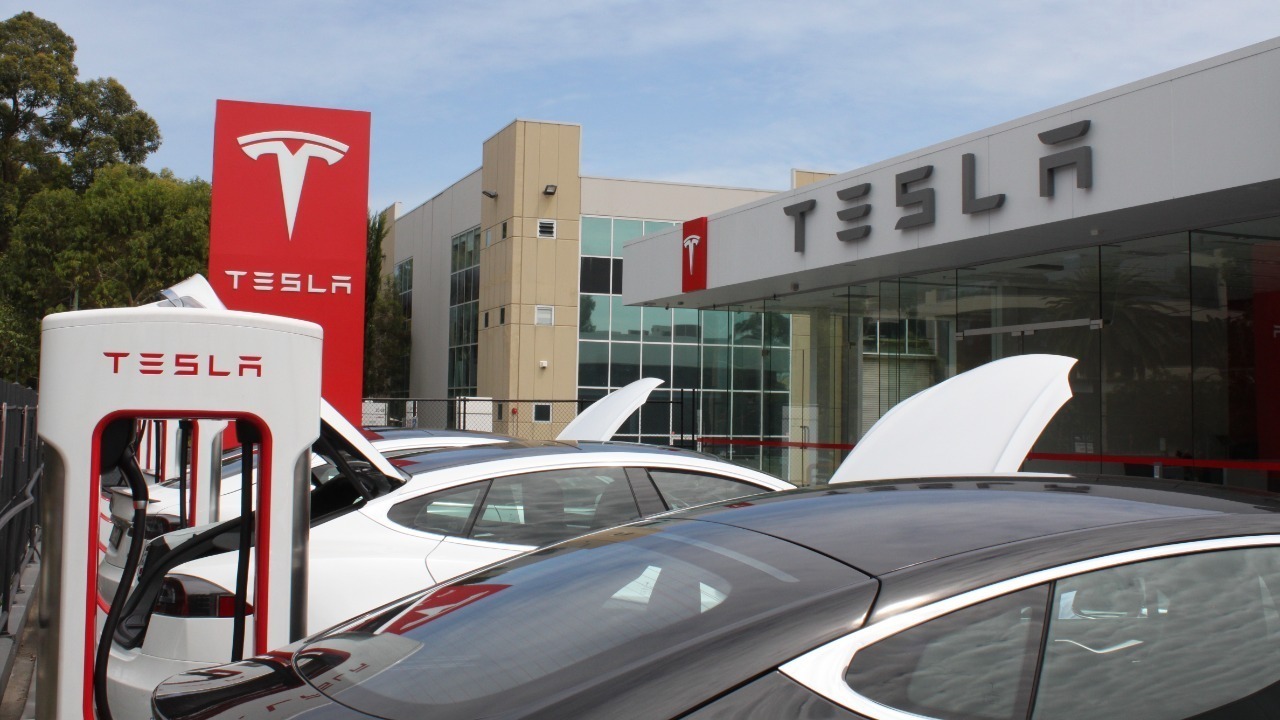
Norway’s sovereign wealth fund, a significant Tesla investor, has announced its decision to vote against Elon Musk’s proposed $1 trillion pay package at Tesla’s annual shareholder meeting. This move complicates the CEO’s path to securing the record compensation. As the world’s largest single investor in the electric vehicle maker, the fund’s opposition has already led to a drop in Tesla’s stock price, indicating potential challenges for the deal’s approval. This development highlights the increasing scrutiny over executive pay in the tech sector, with the fund expressing concerns about the package’s scale and structure.
Background on Musk’s Compensation Proposal
Elon Musk’s proposed compensation package, valued at up to $1 trillion if performance milestones are met, was initially approved in 2018. However, it was voided by a Delaware court in 2024 before being restructured and resubmitted for a shareholder vote. The package is tied to ambitious goals for Tesla, including market capitalization and revenue targets, making it one of the largest executive awards in corporate history. The upcoming shareholder vote will determine the fate of this package, with its approval hinging on the support of institutional investors amid ongoing legal and governance debates.
The proposal’s structure aims to align Musk’s incentives with Tesla’s long-term performance, requiring the company to achieve specific milestones to unlock portions of the compensation. This approach is designed to motivate Musk to drive Tesla’s growth and innovation, but it also raises questions about the appropriateness of such a large payout. The package’s potential impact on Tesla’s financials and governance has become a focal point for investors and analysts alike.
Norway Wealth Fund’s Opposition
The decision by Norway’s sovereign wealth fund to reject the $1 trillion pay deal was announced on November 4, 2025. The fund, managed by Norges Bank Investment Management, cited the excessive size of the package and its lack of alignment with sustainable governance principles as reasons for their opposition. As a major Tesla shareholder, the fund’s stance could influence other investors, given its significant stake in the company.
This opposition marks a pivotal shift in the dynamics of the shareholder vote, as the Norway wealth fund’s influence could sway other institutional investors. The fund’s decision reflects broader concerns about executive compensation practices, particularly in the tech sector, where pay packages have reached unprecedented levels. The fund’s rejection of Musk’s pay package underscores the need for companies to balance rewarding executives with maintaining responsible governance practices.
Immediate Impact on Tesla’s Stock
Following the announcement of Norway’s opposition to Musk’s $1 trillion pay package, Tesla’s stock price began to decline. The shares fell in after-hours trading on November 4, 2025, highlighting investor concerns about the approval odds of the pay deal. This market reaction underscores the volatility tied to Tesla’s recent performance challenges and the uncertainty surrounding the shareholder vote.
Analysts have noted that the rejection by a key stakeholder like the Norway wealth fund adds a layer of uncertainty to the situation, contributing to the immediate sell-off observed in trading sessions. The fund’s decision has amplified existing concerns about Tesla’s governance and the potential impact of such a large compensation package on the company’s financial health. As investors weigh these factors, the stock’s performance may continue to fluctuate in the lead-up to the shareholder meeting.
Implications for the Shareholder Vote
The Norway wealth fund’s vote against Elon Musk’s $1 trillion Tesla pay package complicates the path to approval at the upcoming annual shareholder meeting, where a majority is needed. This development represents a change from prior support among some investors, pressuring Tesla’s board to address governance issues raised by the fund’s decision on November 4, 2025.
Broader opposition could influence proxy advisors and retail shareholders, potentially altering the vote’s outcome and affecting Musk’s long-term incentives at the company. The fund’s stance may prompt other investors to reconsider their positions, leading to increased scrutiny of the package’s terms and its alignment with shareholder interests. As the vote approaches, Tesla’s board will need to engage with stakeholders to address these concerns and secure the necessary support for the package’s approval.
The outcome of the shareholder vote will have significant implications for Tesla’s future governance and executive compensation practices. A rejection of the package could prompt a reevaluation of the company’s approach to rewarding its top executives, potentially leading to changes in how performance-based compensation is structured. As the tech industry continues to grapple with issues of executive pay, the Tesla vote may serve as a bellwether for broader trends in corporate governance.
For more details, see the original reports from The Wall Street Journal, Reuters, Barron’s, Yahoo Finance, and Bloomberg.
More From TheDailyOverview
- Dave Ramsey warns to stop 401(k) contributions
- 11 night jobs you can do from home (not exciting but steady)
- Small U.S. cities ready to boom next
- 19 things boomers should never sell no matter what

Alex is the strategic mind behind The Daily Overview, guiding its mission to uncover the forces shaping modern wealth. With a background in market analysis and a track record of building digital-first businesses, he leads the publication with a focus on clarity, depth, and forward-looking insight. Alex oversees editorial direction, growth strategy, and the development of new content verticals that help readers identify opportunity in an ever-evolving financial landscape. His leadership emphasizes disciplined thinking, high standards, and a commitment to making sophisticated financial ideas accessible to a broad audience.

