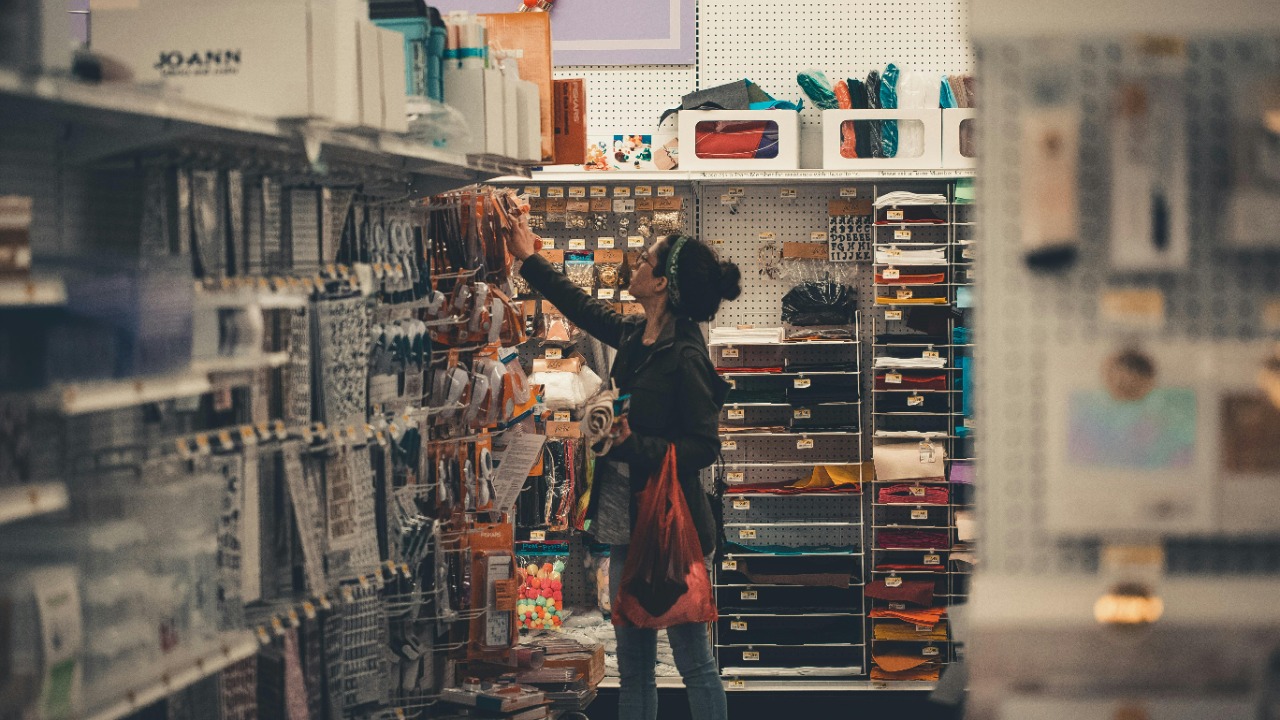
In recent years, tariffs have significantly impacted the prices of various consumer goods in the United States. While some products have seen only modest increases, others have become so costly that many Americans are reconsidering their purchasing habits. This shift is particularly evident in categories ranging from household appliances to beauty products, where the financial burden of tariffs has led consumers to seek alternatives or delay purchases. Here, we explore nine products that have been affected by these economic changes.
Washing Machines: Tariffs Have Driven Up Costs
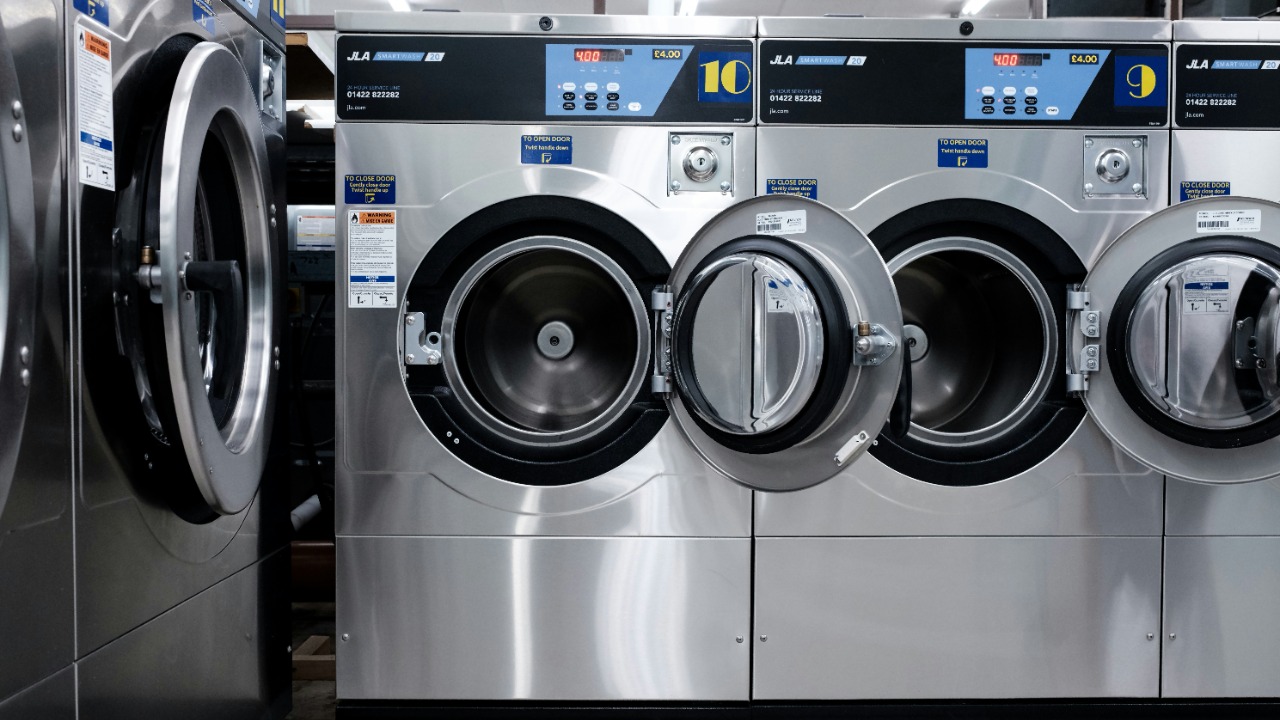
Washing machines have been among the most notable casualties of tariff-induced price hikes. As tariffs on imported steel and aluminum took effect, the cost of manufacturing these appliances increased, leading to higher retail prices. According to AARP, these tariffs have made washing machines more expensive, prompting many consumers to delay replacements or opt for cheaper models. This trend highlights how tariffs can directly impact household budgets, forcing families to make tough decisions about essential appliances.
The increased cost of washing machines has also spurred interest in alternative solutions, such as repair services or second-hand purchases. Consumers are becoming more resourceful, seeking ways to extend the life of their current machines rather than investing in new ones. This shift not only affects consumer behavior but also has broader implications for the appliance industry, which may need to adapt to changing demand patterns.
Imported Apparel: Rising Prices from Trade Duties

The apparel industry has not been immune to the effects of tariffs, with many imported clothing items experiencing price increases. As reported by the BBC, trade duties have led to higher costs for retailers, which are often passed on to consumers. This has resulted in a noticeable decline in new clothing purchases, as shoppers become more selective about their spending.
For many Americans, the rising cost of apparel has meant prioritizing essential items over fashion trends. This change in consumer behavior reflects a broader economic reality where discretionary spending is curtailed in response to financial pressures. Retailers, in turn, may need to adjust their strategies, focusing on value-driven offerings to retain customers in a competitive market.
Skincare Products: Trump-Era Tariffs on Imports

Skincare products have also felt the impact of tariffs, particularly those implemented during the Trump administration. According to Allure, these tariffs have led to price hikes for many beauty items, causing consumers to reconsider their brand loyalties. As premium brands become less affordable, shoppers are increasingly turning to more budget-friendly options or reducing their overall consumption.
This shift in purchasing behavior underscores the sensitivity of the beauty market to price changes. While some consumers remain loyal to their preferred brands, others are exploring new products that offer similar benefits at a lower cost. This trend could lead to increased competition among beauty brands, as they strive to maintain market share in a challenging economic environment.
Consumer Electronics: Potential Tariff Pain

Consumer electronics, including gadgets like televisions and smartphones, have been highlighted as potential victims of tariff-related price increases. President Trump himself warned that Americans could “feel some pain” from tariffs on these products, as reported by NBC Chicago. While the full impact of these tariffs is still unfolding, the prospect of higher costs is already influencing consumer decisions.
Many consumers are opting to delay upgrades or seek out refurbished models to avoid the financial strain of purchasing new electronics. This cautious approach reflects a growing awareness of the economic uncertainties associated with tariffs and their potential to disrupt household budgets. As the situation evolves, both consumers and manufacturers will need to navigate these challenges carefully.
Solar Panels: Tariff-Induced Expense Hikes
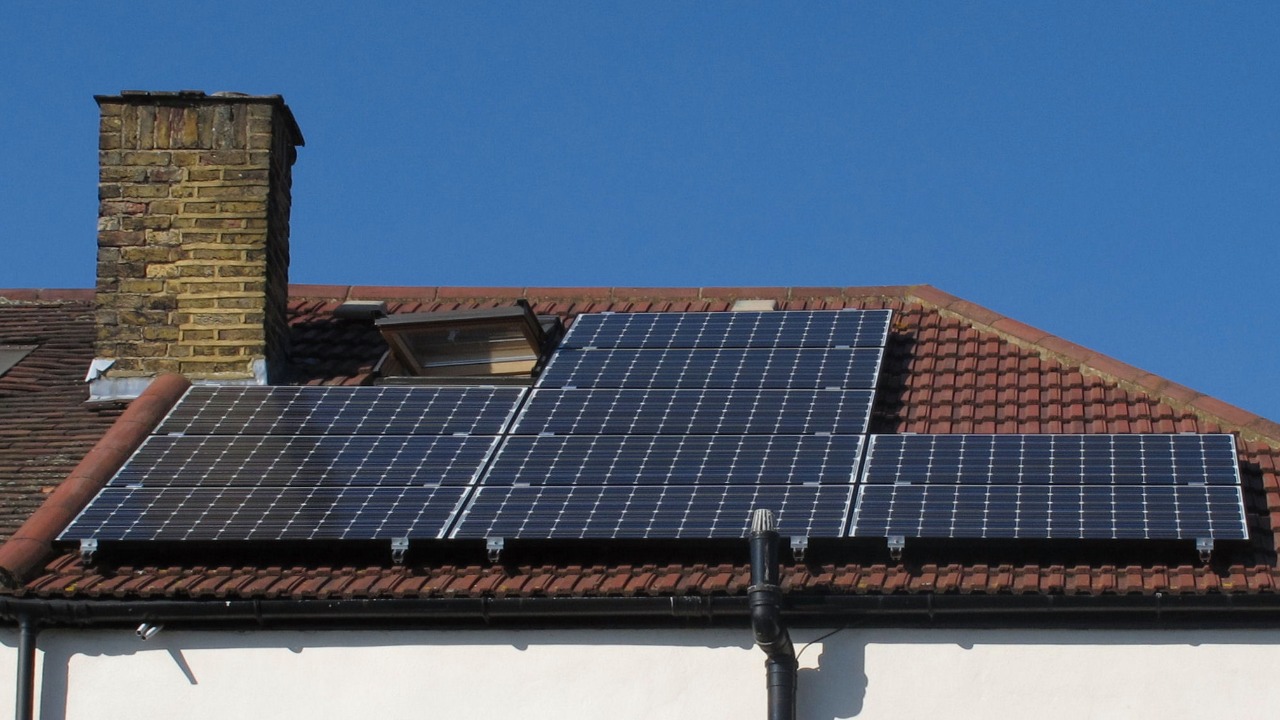
Solar panels, a key component of renewable energy initiatives, have also been affected by tariffs. The increased cost of importing these panels has discouraged some American households from investing in solar energy setups. According to AARP, these tariffs have made it more challenging for consumers to justify the upfront expense of transitioning to solar power.
This development has significant implications for the renewable energy sector, which relies on consumer adoption to drive growth. As tariffs continue to impact prices, the industry may need to explore alternative strategies to make solar energy more accessible and affordable for the average household. This could include innovations in financing options or government incentives to offset the cost of tariffs.
Toys and Games: International Trade Barriers

The toy industry has also been caught in the crossfire of international trade barriers, with many imported playthings becoming more expensive. The BBC reports that these price increases have led parents to forgo non-essential toy purchases, focusing instead on necessities. This trend reflects a broader shift in consumer priorities, as families adjust their spending habits in response to economic pressures.
For toy manufacturers and retailers, this change in consumer behavior presents both challenges and opportunities. While some companies may struggle with declining sales, others could capitalize on the demand for affordable, high-quality toys. By understanding and adapting to these market dynamics, the industry can continue to thrive despite the challenges posed by tariffs.
Makeup Essentials: Tariff Policies Under Trump
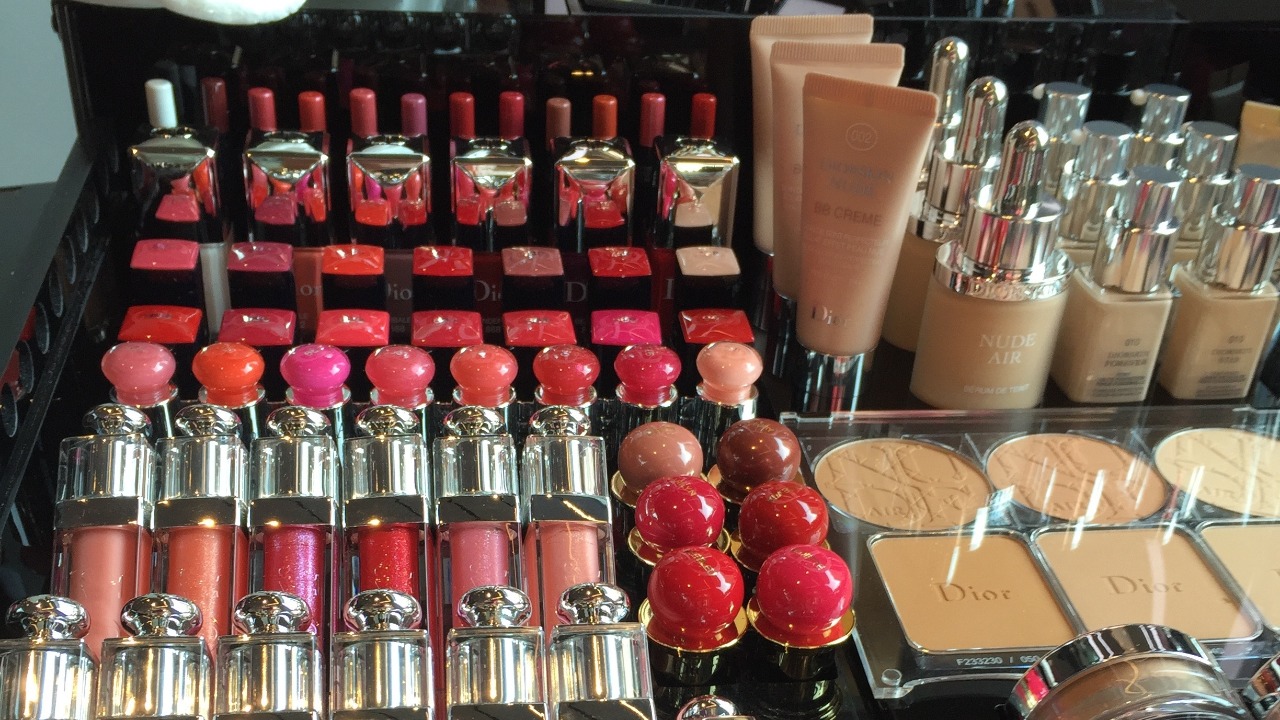
Makeup essentials have not been spared from the effects of tariff policies implemented during the Trump administration. As noted by Allure, these tariffs have led to increased costs for cosmetics, prompting some consumers to switch to drugstore options or reduce their overall makeup usage. This shift highlights the price sensitivity of the beauty market and the impact of tariffs on consumer choices.
As consumers adjust their purchasing habits, makeup brands may need to reevaluate their pricing strategies to remain competitive. This could involve offering more affordable product lines or enhancing the perceived value of their offerings through marketing and innovation. By staying attuned to consumer needs, beauty brands can navigate the challenges posed by tariffs and continue to attract loyal customers.
Household Appliances: Potential Tariff Effects
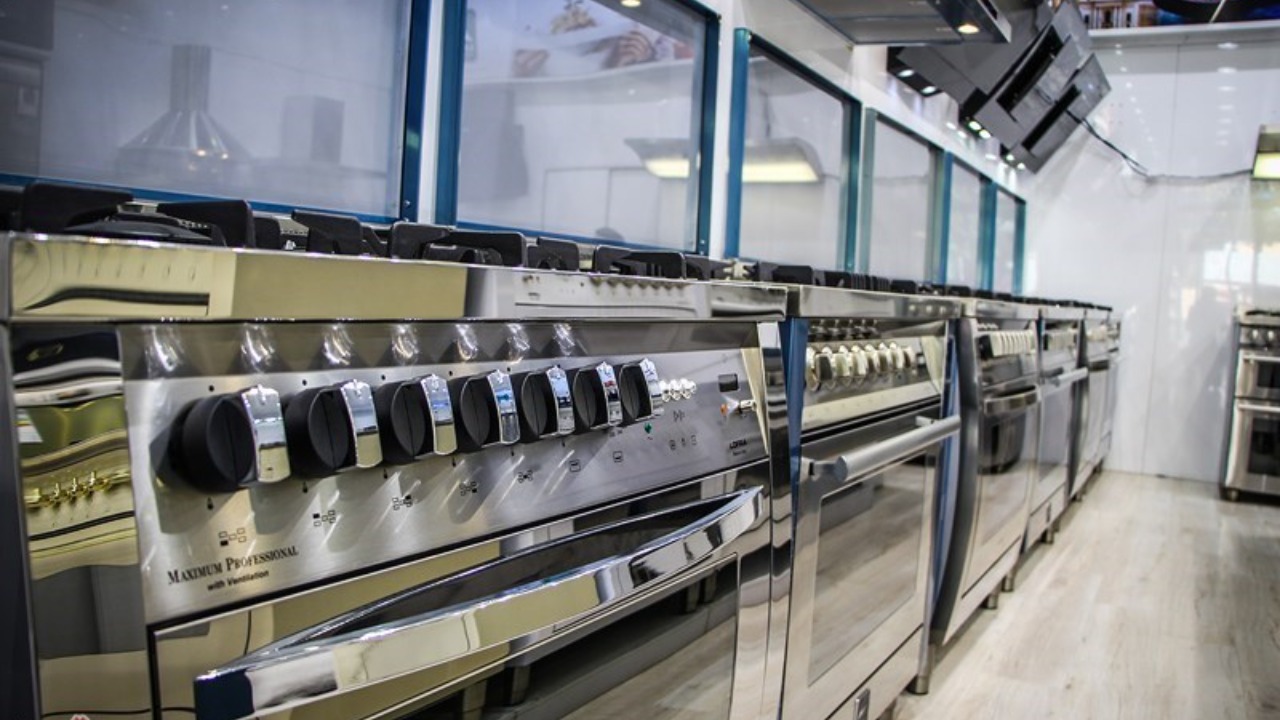
Household appliances, such as refrigerators and dishwashers, are also at risk of becoming more expensive due to potential tariff effects. President Trump’s warnings about the impact of tariffs on these products have raised concerns among consumers, as reported by NBC Chicago. While the full extent of these price increases remains uncertain, the possibility of higher costs is already influencing consumer behavior.
Many households are choosing to extend the life of their existing appliances rather than investing in new ones. This trend reflects a growing awareness of the financial implications of tariffs and the need to make prudent purchasing decisions. As the situation continues to evolve, both consumers and manufacturers will need to adapt to the changing economic landscape.
Footwear: Broader Tariff Escalations

Footwear is another category that has been affected by broader tariff escalations, leading to increased prices for shoes. According to AARP, these price hikes have prompted some consumers to repair their existing footwear rather than replace it. This shift in behavior underscores the impact of tariffs on everyday consumer choices and the importance of cost-effective solutions.
For the footwear industry, this trend presents both challenges and opportunities. While some brands may face declining sales, others could benefit from the demand for durable, high-quality products. By understanding and responding to these market dynamics, the industry can continue to thrive despite the challenges posed by tariffs.

Cole Whitaker focuses on the fundamentals of money management, helping readers make smarter decisions around income, spending, saving, and long-term financial stability. His writing emphasizes clarity, discipline, and practical systems that work in real life. At The Daily Overview, Cole breaks down personal finance topics into straightforward guidance readers can apply immediately.