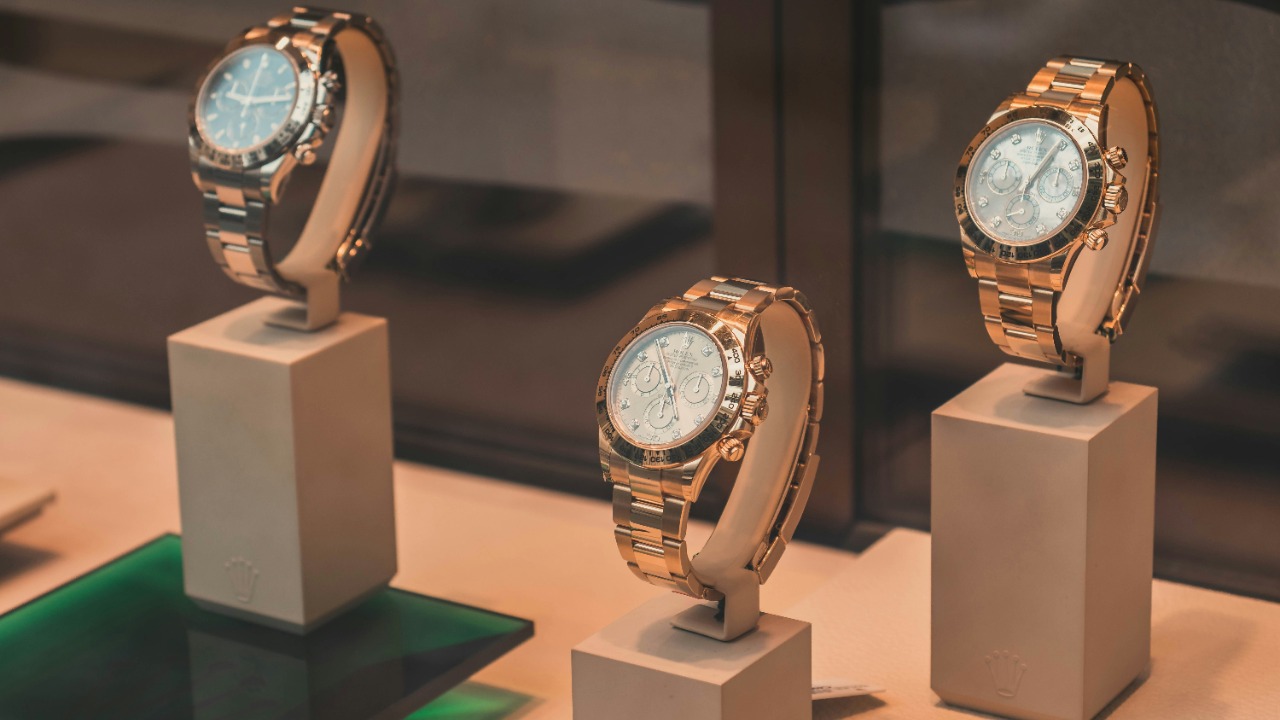
The luxury watch market is flooded with counterfeit Rolexes, with experts estimating that up to 40% of online sales might be fakes, especially in the vintage and second-hand segments. According to watch authentication specialists, telltale signs of a fake include inconsistencies in weight, engravings, and movement that can be identified without professional tools. This guide draws on expert insights to outline practical steps for verification during shopping.
Examine the Overall Build and Weight
Genuine Rolex watches are crafted from high-quality materials such as 904L stainless steel or precious metals, which contribute to their substantial weight. For instance, a genuine Rolex Submariner feels noticeably heavier than its counterfeit counterparts, which are often made from cheaper alloys. This difference in weight is a crucial indicator for potential buyers to consider when assessing authenticity. As noted in Men’s Journal, the heft of a Rolex is one of its defining characteristics.
Additionally, the finishing on a Rolex is smooth and precise, with case edges and bracelet links that are meticulously crafted. In contrast, counterfeits often exhibit rough, uneven machining. Buyers can perform a tactile inspection by running their fingers along the edges and links to detect any irregularities. According to Eluxe Magazine, this hands-on approach can reveal the quality of workmanship that distinguishes a genuine Rolex from a fake.
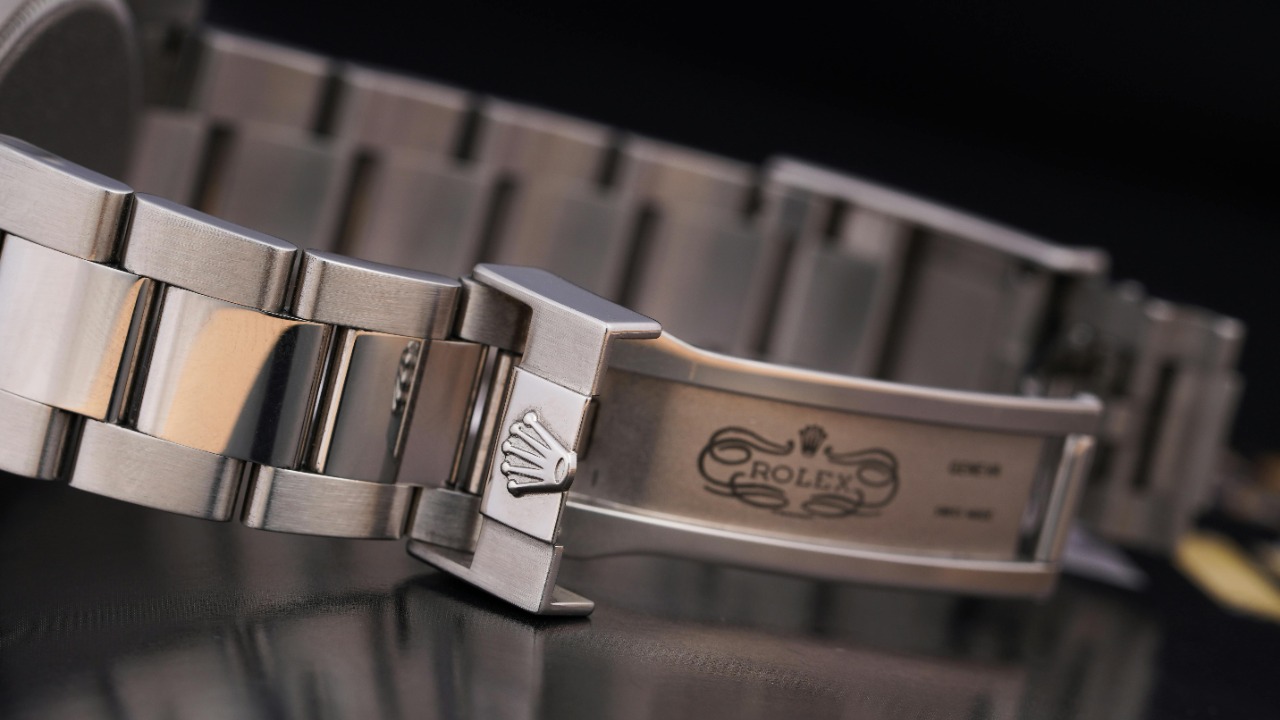
Another quick authenticity check involves examining the hallmarks, such as the Rolex coronet on the clasp. This should be sharply engraved without any blurring. As highlighted by Le Nouveau Réveil, the precision of these engravings is a testament to Rolex’s attention to detail and can be a reliable indicator of authenticity.
Inspect the Dial and Magnification Features
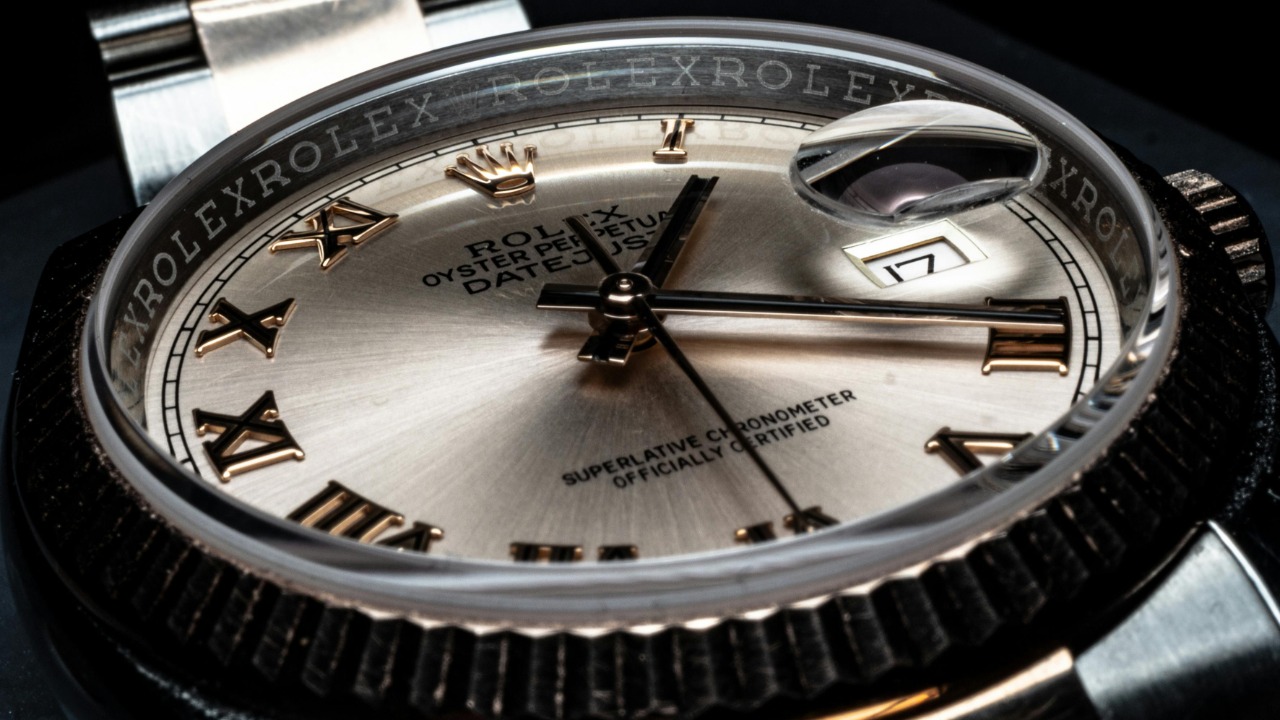
The cyclops lens over the date window on a genuine Rolex magnifies the date 2.5 times, providing a clear and distortion-free view. In contrast, counterfeit models often feature a lens that either blurs the date or magnifies it incorrectly. This discrepancy is a key detail for buyers to observe, as noted by Lifehacker.
Furthermore, the lume application on the hands and markers of a genuine Rolex is another area to scrutinize. Authentic Rolex watches use high-quality phosphorescent material that glows evenly and lasts longer. Counterfeit lume, on the other hand, may appear patchy or fade quickly. This difference in quality can be a telling sign of a watch’s authenticity, as reported by SCMP.
Attention to detail extends to the font and printing quality on the dial. The “ROLEX” logo should have precise spacing, and modern models feature a laser-etched rehaut (inner bezel ring) that is often absent or misspelled on replicas. These subtle details, highlighted by Men’s Journal, are critical for distinguishing a genuine Rolex from a fake.
Check the Movement and Sound
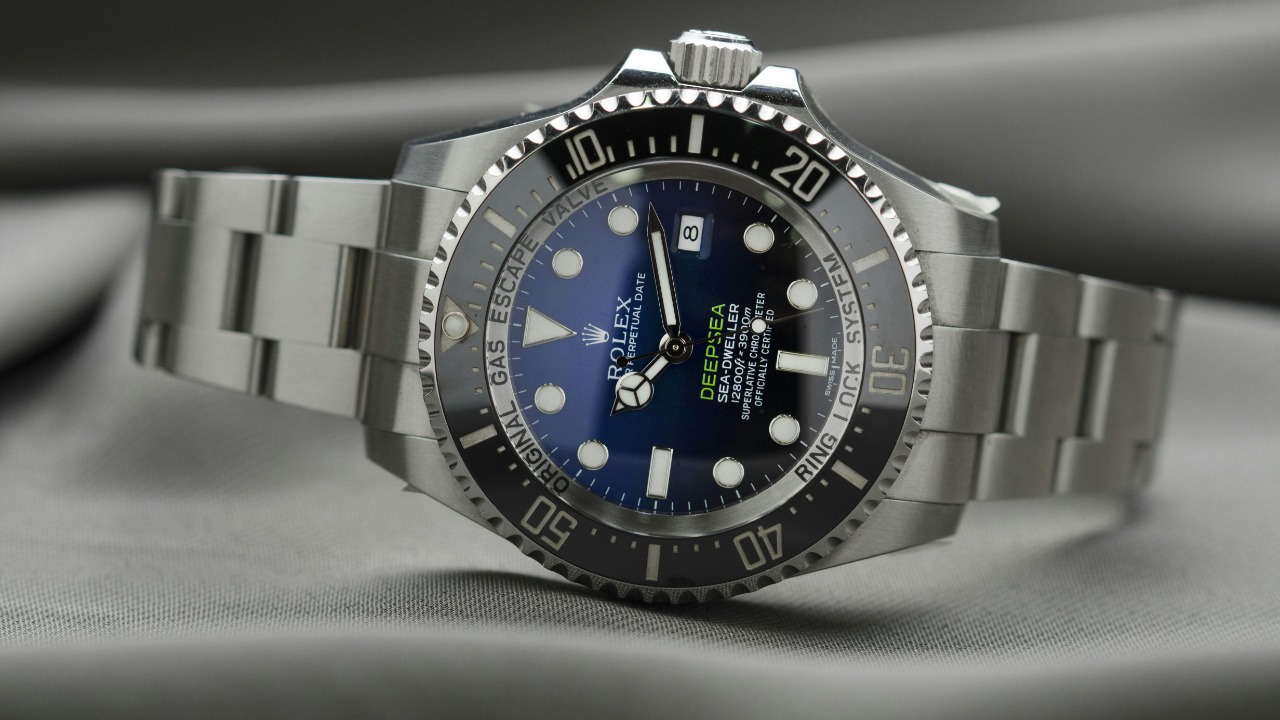
A genuine Rolex is renowned for the smooth, silent sweep of its seconds hand, a result of its high-quality mechanical movement. In contrast, many counterfeit watches use quartz movements that produce a ticking sound. Buyers can listen closely to detect this difference, as emphasized by Le Nouveau Réveil.
When winding the crown, a genuine Rolex offers precise resistance and a distinct click, indicative of its automatic movement. Counterfeit watches may exhibit a loose or overly stiff action, which can be a red flag for buyers. This tactile feedback is an essential aspect of the verification process, as noted by Eluxe Magazine.
Verify Engravings, Serials, and Packaging
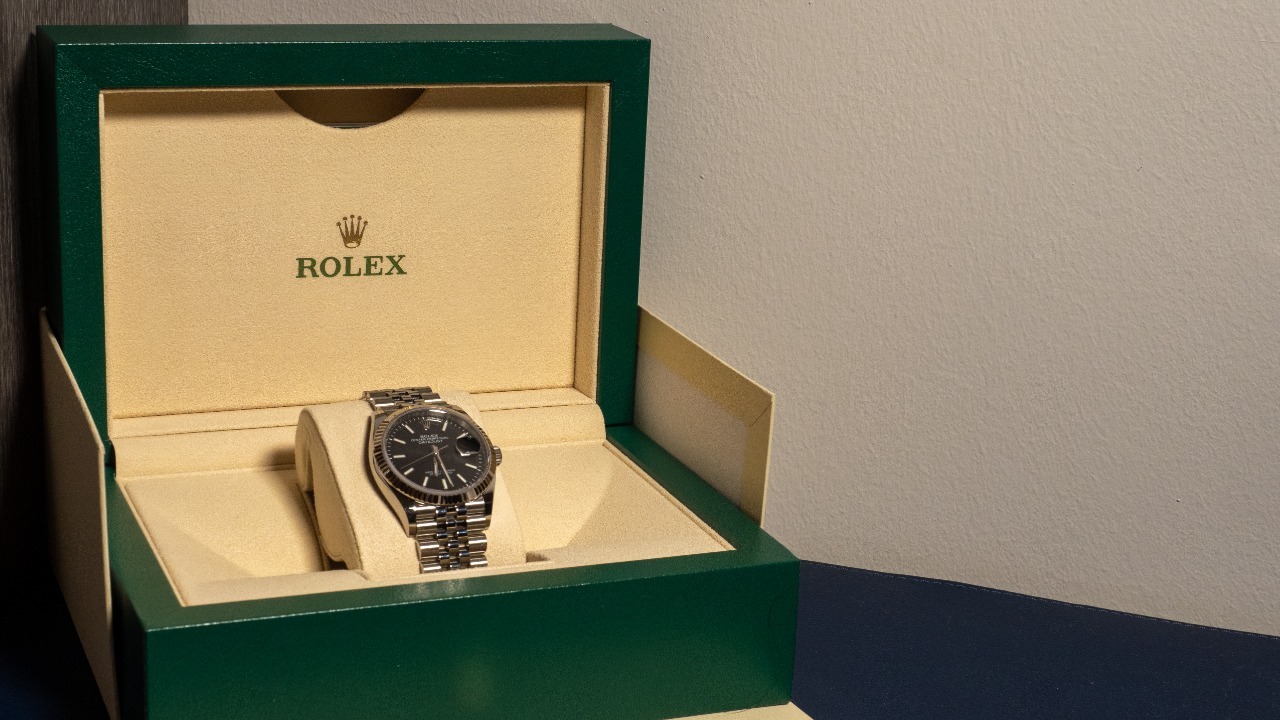
The serial and model numbers engraved between the lugs at 6 o’clock on a genuine Rolex must be deep, consistent, and match Rolex’s production codes from specific years. Buyers can use decoding methods to verify these numbers, ensuring they align with the watch’s purported production year. This detail is crucial for authentication, as reported by SCMP.
The crown logo on the winding stem and rehaut engravings should exhibit laser precision on genuine Rolex watches. Counterfeits often feature stamped or shallow engravings, which can be a giveaway of their lack of authenticity. This aspect of Rolex’s craftsmanship is highlighted by Men’s Journal.
Finally, the accompanying documents and packaging of a Rolex can also provide clues to its authenticity. Genuine Rolex watches come with green stickers, certificates, and serial-matched tags, which fakes often replicate poorly or omit entirely. As noted by Le Nouveau Réveil, these elements are integral to the overall verification process.

Cole Whitaker focuses on the fundamentals of money management, helping readers make smarter decisions around income, spending, saving, and long-term financial stability. His writing emphasizes clarity, discipline, and practical systems that work in real life. At The Daily Overview, Cole breaks down personal finance topics into straightforward guidance readers can apply immediately.