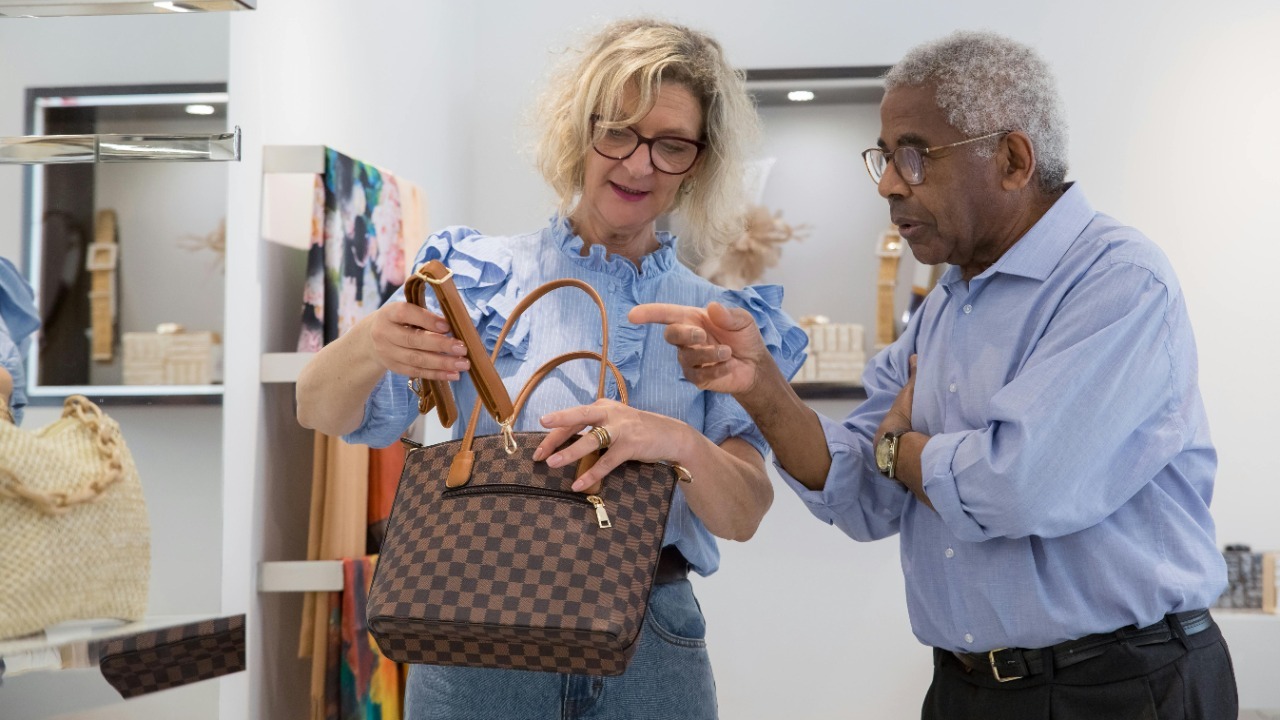
Recognizing fake “rare” items can be challenging, but it’s important to avoid costly mistakes. Whether you’re collecting antiques, art, or rare coins, understanding how to identify authenticity is crucial. Here are nine strategies to help you spot fake items in the marketplace.
Scrutinize the Provenance

One of the first steps in verifying an item’s authenticity is analyzing its provenance. A legitimate, rare item usually comes with a well-documented history of ownership. For instance, artwork often has a chain of ownership, detailing each transfer from the artist to the current owner. If the seller cannot provide this information or if the documentation seems inconsistent, it’s a red flag.
Historical records or certificates can also be faked, so it’s important to verify them with trusted databases or institutions. Authenticity can often be cross-referenced with auction house records or museum databases, providing a more comprehensive background of the item.
Examine the Craftsmanship
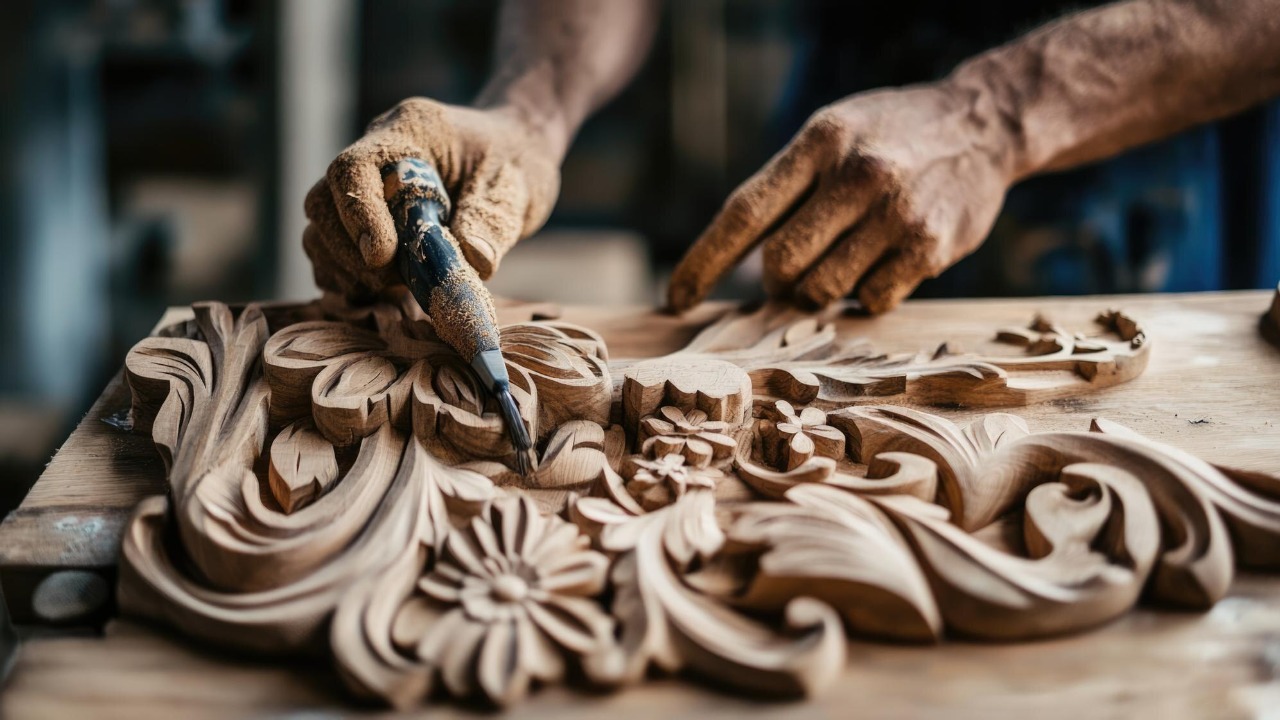
Craftsmanship can reveal a lot about an item’s authenticity. For example, genuine antique furniture will often show signs of handcrafting, such as uneven surfaces or tool marks. In contrast, mass-produced replicas generally lack these subtle nuances. Pay attention to the quality of materials and the intricacy of work, especially in items like jewelry or collectibles.
Understanding the typical characteristics of items from specific periods can help. For instance, the stitching in a purported 19th-century quilt should align with techniques used during that era. When craftsmanship appears too perfect for an item’s claimed age, further investigation is warranted.
Verify Authenticity with Experts

Consulting with experts is a reliable way to authenticate rare items. Professionals who specialize in specific fields can provide insights that are not immediately obvious. For example, art appraisers can evaluate the age and originality of a painting based on brushwork and materials used.
Reputable experts often have access to specialized equipment and resources, such as chemical analysis tools, to confirm an item’s age and origin. Connecting with organizations like the International Society of Appraisers or using platforms like Google Books for expert literature can also be advantageous.
Research Market Trends

Understanding market trends can assist in identifying fake items. When the demand for certain collectibles rises, so does the likelihood of forgeries. For instance, the surge in demand for mid-20th-century modern furniture has led to an increase in counterfeit pieces.
By researching current market values and trends, you can gauge whether an item’s rarity is plausible. Websites like Bankrate provide insights into the market value of items like rare coins, helping you assess if a deal is too good to be true.
Analyze the Material Quality
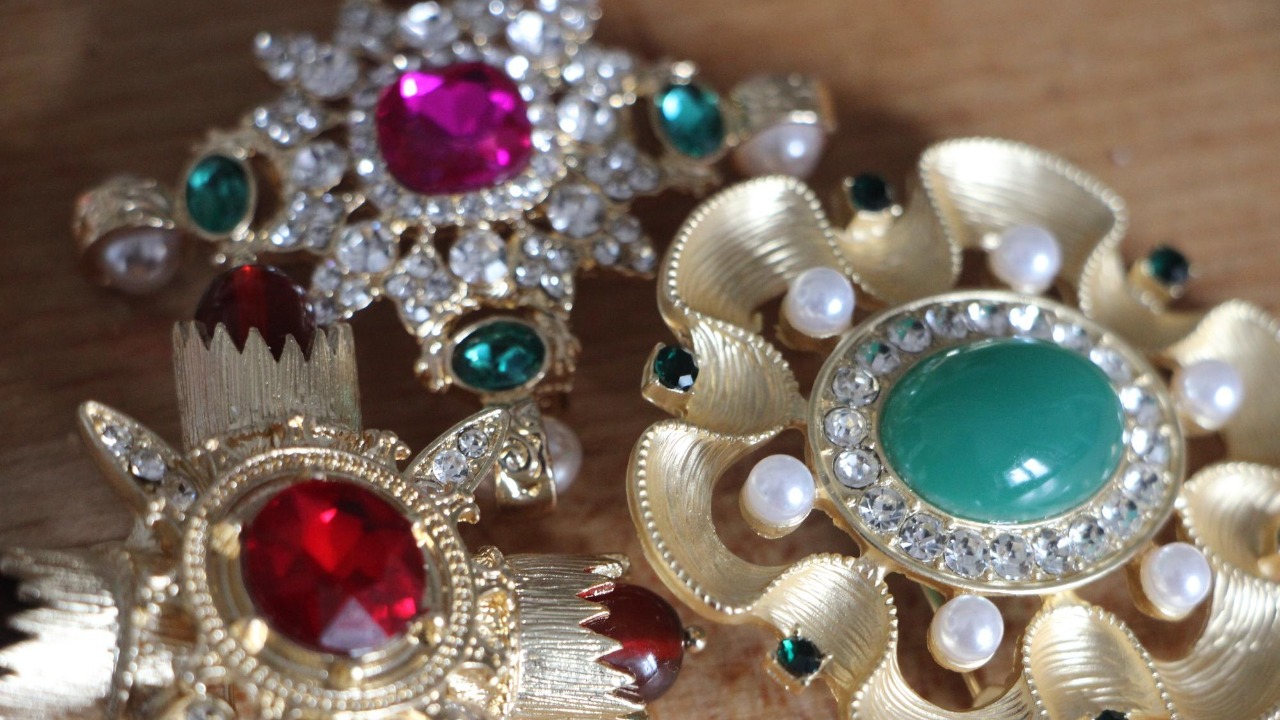
The materials used in an item can reveal much about its authenticity. Genuine items often use materials specific to their time of creation. For example, if a piece of furniture claims to be from the Victorian era, its wood type should reflect that period.
In the case of jewelry, authentic vintage pieces are likely made with higher-quality stones and metals than modern replicas. Familiarizing yourself with the typical materials used in specific periods can help in identifying impostors.
Check for Inconsistent Markings
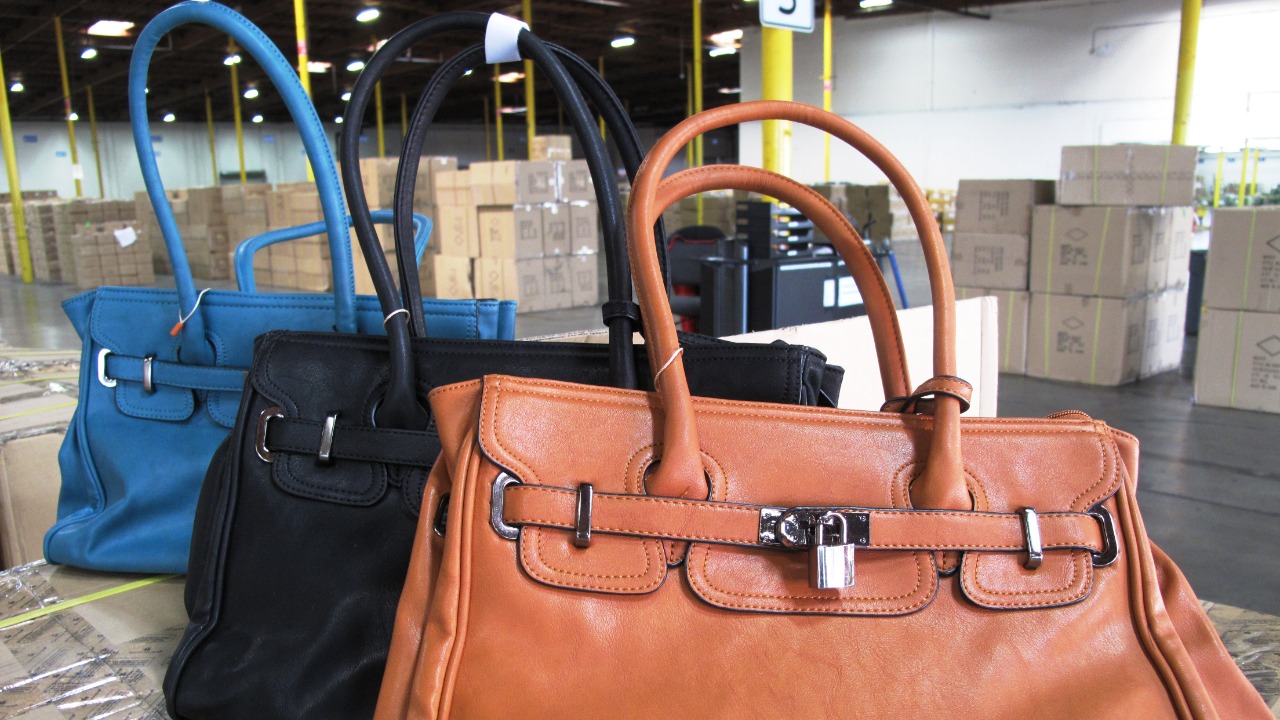
Inconsistent or incorrect markings are telltale signs of fake items. For instance, fake designer handbags often have logos or serial numbers that do not match the brand’s standards. Similarly, misaligned or misspelled markings on coins can indicate forgery.
Researching the correct markings for a specific item can prevent costly mistakes. Many brands and manufacturers have detailed information available on how to identify genuine markings, which can easily be found online or through reputable publications.
Look for Unrealistic Pricing
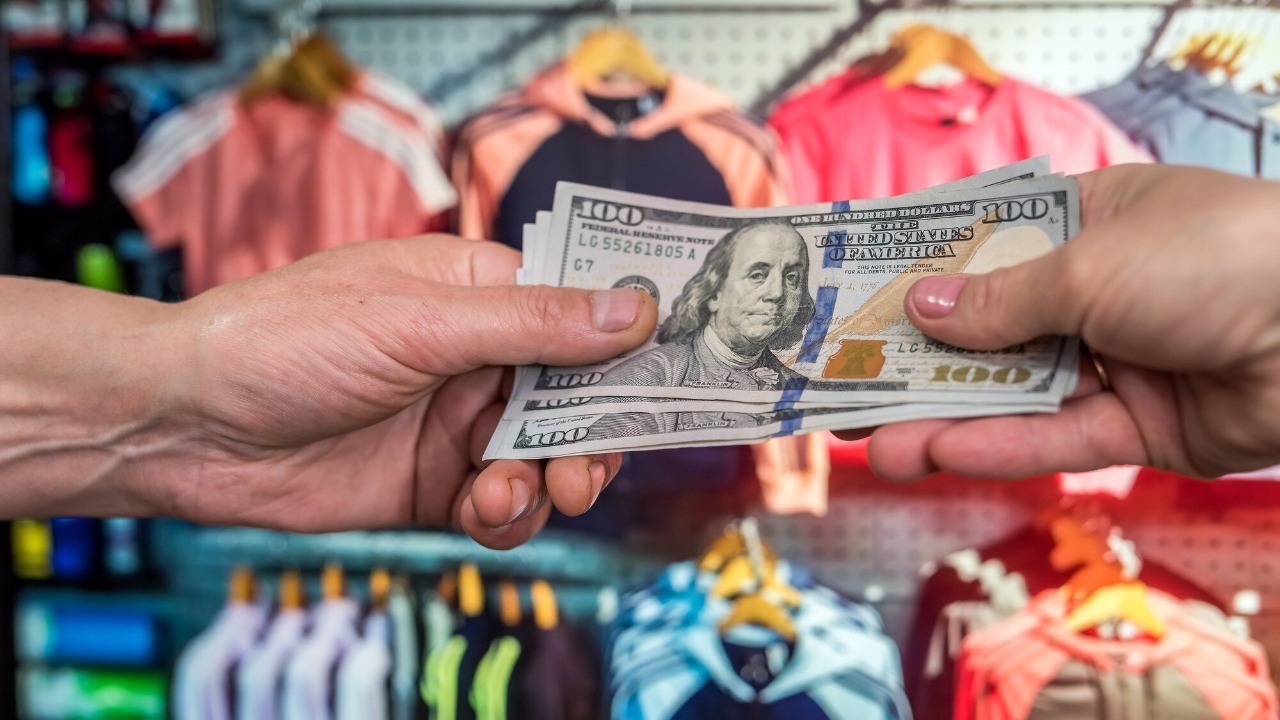
Prices that seem too good to be true often are. When an item’s price is significantly lower than its market value, it’s a potential indication of a fake. Scammers often lure buyers with attractive prices to offload counterfeit goods quickly.
Comparing prices from multiple reputable sources can provide a benchmark for what to expect. Be wary of sellers who cannot justify their low prices, as this may indicate that something is amiss.
Assess the Seller’s Reputation

Before purchasing, it’s essential to evaluate the seller’s reputation. Check for reviews and ratings from previous buyers to gauge their reliability. Established sellers are more likely to provide genuine items and have a track record of satisfied customers.
Platforms like BBC Bitesize can offer insights into how to research a seller’s credibility. Be cautious of sellers with limited feedback or negative reviews, as these could be indicators of unreliability.
Utilize Authentication Technology
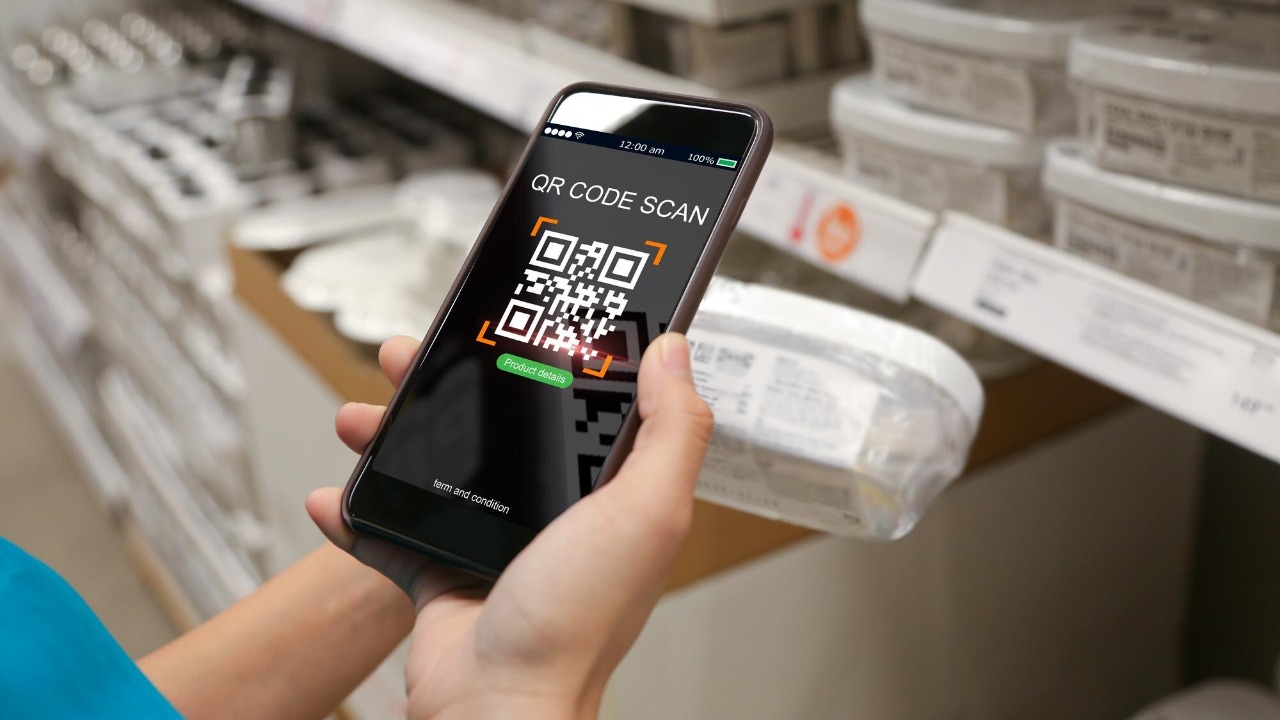
Modern technology offers tools to verify the authenticity of items. Apps and devices designed for scanning and analyzing items can provide additional layers of verification. For example, ultraviolet light can reveal hidden details in art or documents, while digital databases can compare serial numbers or markings.
Utilizing these technologies can enhance your confidence in an item’s authenticity. For example, the development of blockchain for tracking the provenance of luxury goods is gaining traction, offering a new level of transparency and security for buyers.

Cole Whitaker focuses on the fundamentals of money management, helping readers make smarter decisions around income, spending, saving, and long-term financial stability. His writing emphasizes clarity, discipline, and practical systems that work in real life. At The Daily Overview, Cole breaks down personal finance topics into straightforward guidance readers can apply immediately.
