
Many businesses overlook the potential value hidden in outdated office equipment. While these items may seem like relics of the past, they can hold significant monetary worth, both tangible and intangible. By exploring how to uncover the hidden value in obsolete office gear, companies can transform clutter into cash flow and improve overall business efficiency.
The True Cost of Hanging onto Outdated Equipment

Hanging onto outdated office equipment can significantly impact a business’s operational efficiency. Old technology often lacks the processing power and features of modern systems, leading to slower workflows and increased time spent on simple tasks. For instance, using an old printer that jams frequently or a computer that takes forever to boot up can add unnecessary delays to daily operations. These inefficiencies not only frustrate employees but also increase labor costs as more time is required to complete tasks. According to Fisher’s Technology, companies can lose thousands of dollars annually due to operational inefficiencies tied to outdated equipment.
Beyond productivity losses, outdated office gear can also result in mounting maintenance and repair expenses. Constant repairs can quickly become a financial burden, overshadowing the cost of investing in new technology. A company might find itself spending more on keeping old equipment running than it would on purchasing upgrades. Furthermore, older equipment poses significant security risks. As technology advances, so do security threats, and older systems may not support the latest security measures. This vulnerability puts sensitive business data at risk, potentially leading to costly data breaches and loss of customer trust.
Monetizing Obsolete Office Gear

Instead of letting outdated equipment gather dust, businesses can explore various options to monetize these assets. One straightforward approach is to sell or recycle outdated equipment. There is a market for used office gear, and platforms such as eBay or specialized recycling companies offer avenues to reclaim some of the initial investment. Recycling not only provides a financial return but also contributes to environmental sustainability by reducing e-waste.
Businesses can also take advantage of tax incentives and write-offs associated with donating or recycling old office equipment. Many jurisdictions offer tax deductions for such activities, making it financially advantageous to dispose of outdated gear responsibly. Additionally, identifying valuable components within obsolete equipment, such as rare metals or functioning parts, can open up new revenue streams. These components can be sold separately for profit, further maximizing the value extracted from outdated office gear.
Environmental and Ethical Considerations
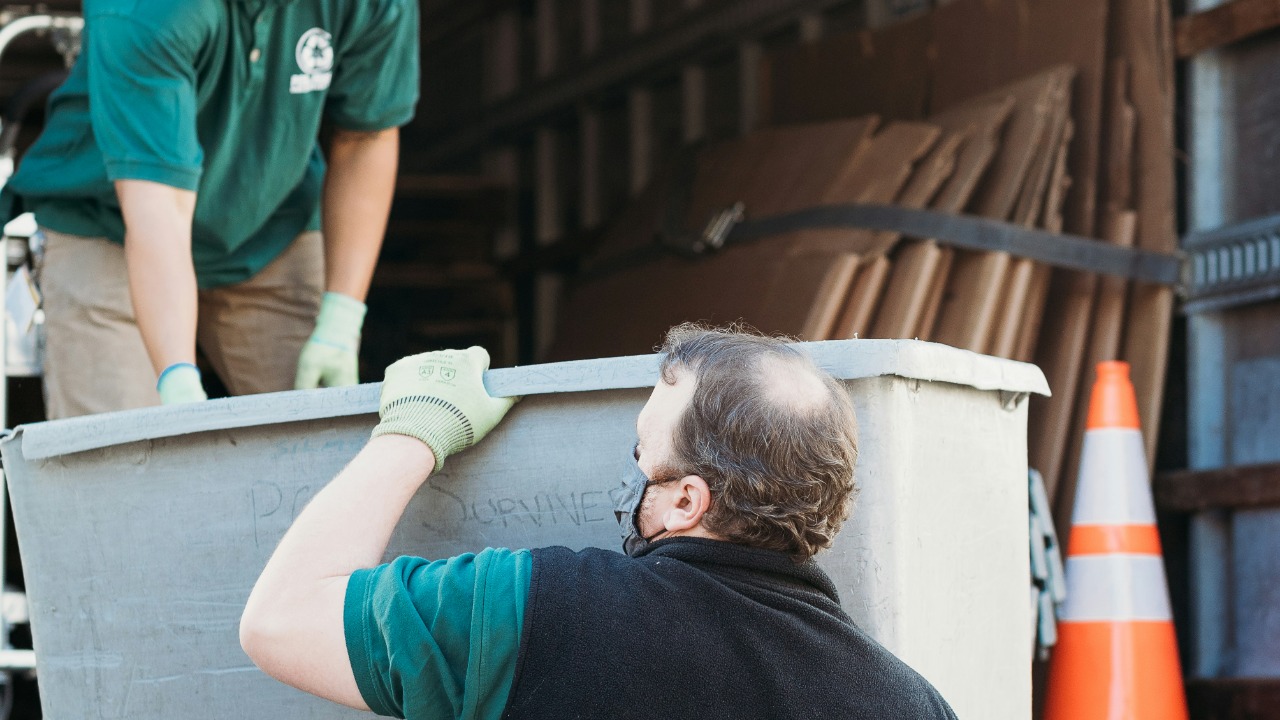
The disposal of outdated office equipment poses significant environmental challenges. E-waste is a growing concern, as improper disposal can lead to hazardous substances leaking into the environment. Businesses must adopt sustainable disposal methods to mitigate these impacts. Partnering with certified e-waste recyclers ensures that equipment is disposed of in an environmentally responsible manner, aligning with global sustainability goals and reducing the company’s carbon footprint.
Adhering to ethical disposal practices is crucial, especially when dealing with equipment containing sensitive data. Simply discarding old computers or servers without proper data wiping can lead to data breaches. Employing certified data destruction services is essential to safeguard company information. Moreover, embracing corporate social responsibility through responsible disposal enhances a company’s public image. It demonstrates a commitment to sustainability and ethical business practices, which can resonate positively with consumers and stakeholders.
Case Studies and Success Stories

Consider the story of a small business that managed to turn its outdated equipment into a financial boon. By systematically assessing their inventory and selling off old computers and printers, the business generated enough revenue to invest in new technology. This strategic move not only improved their operational efficiency but also boosted employee morale, as they could work with faster, more reliable equipment. Such success stories highlight the potential gains from monetizing obsolete office gear.
Larger corporations have also leveraged hidden assets in outdated equipment to improve their financial standing. For instance, a multinational company conducted an audit of its inventory and discovered a wealth of outdated devices. By selling and recycling these assets, they were able to fund a significant portion of their planned technology upgrades. This proactive approach not only streamlined their operations but also enhanced their bottom line.
The importance of asset management is further underscored by lessons from other sectors, such as the military. The costs of US military equipment left behind in Afghanistan serve as a stark reminder of the financial implications of equipment mismanagement. Similarly, businesses must remain vigilant in managing their assets to avoid unnecessary losses and capitalize on potential opportunities.

Cole Whitaker focuses on the fundamentals of money management, helping readers make smarter decisions around income, spending, saving, and long-term financial stability. His writing emphasizes clarity, discipline, and practical systems that work in real life. At The Daily Overview, Cole breaks down personal finance topics into straightforward guidance readers can apply immediately.

