
Effective budgeting is a powerful tool for achieving financial goals, whether it’s saving $5,000 in three months or reducing monthly expenses. By following targeted strategies, individuals can make significant progress toward their financial aspirations. Tailored approaches for specific groups, such as military personnel, emphasize structured financial planning, while entrepreneurial budgeting provides a roadmap for starting a business. This guide synthesizes expert advice to help you navigate these financial challenges.
Assess Your Current Financial Situation

Understanding your current financial situation is the first step in effective budgeting. Begin by reviewing your income sources and fixed expenses to establish a baseline. This process can be enhanced by incorporating techniques to lower monthly bills, as detailed in Investopedia’s guide on financial success. By identifying areas where you can cut costs, you can free up funds to allocate toward savings or debt reduction.
Tracking your spending patterns over a month can reveal areas for adjustment. For military personnel, specific advice is available in the Army’s guide to financial stability. This resource provides insights into managing finances under unique circumstances, helping service members achieve stability through structured planning.
In addition to reviewing income and expenses, it’s beneficial to assess your financial health by calculating your net worth. This involves listing all assets, such as savings, investments, and property, and subtracting liabilities like loans and credit card debt. Understanding your net worth provides a comprehensive view of your financial standing and can highlight areas for improvement. For military personnel, the Army’s guide emphasizes the importance of considering unique benefits and allowances that can impact financial planning. By leveraging these resources, service members can optimize their financial strategies and enhance their overall stability.
Set Realistic Budgeting Goals
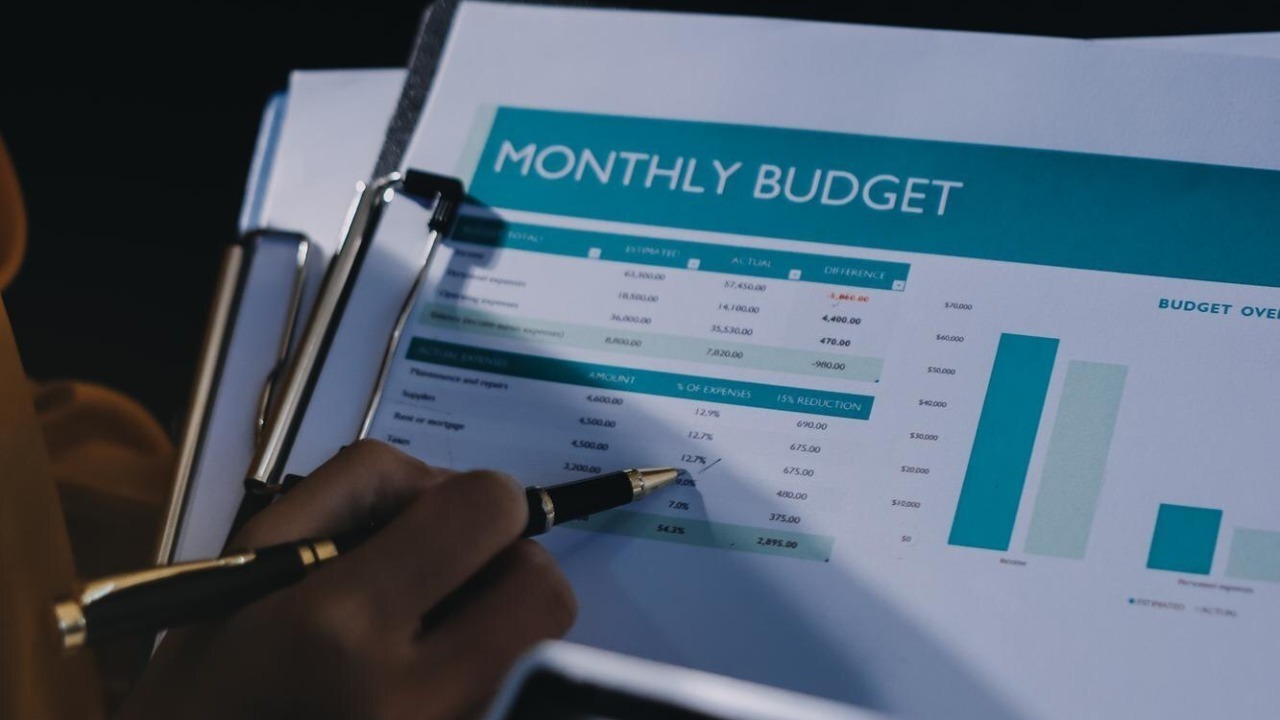
Setting realistic budgeting goals is crucial for maintaining motivation and achieving success. Short-term savings targets, such as saving $5,000 in three months, can be pursued using methods outlined in GoBankingRates’ guide. By breaking down the savings process into manageable steps, you can steadily work toward your financial objectives.
Aligning your goals with long-term objectives, such as covering business startup costs, is equally important. The Business News Daily guide offers a comprehensive approach to budgeting for entrepreneurial ventures. By understanding the financial requirements of starting a business, you can plan effectively and avoid unexpected expenses.
When setting budgeting goals, it’s important to consider both short-term and long-term perspectives. Short-term goals might include reducing discretionary spending by a certain percentage each month, while long-term goals could focus on retirement savings or paying off a mortgage. The GoBankingRates guide suggests creating a visual representation of your goals, such as a chart or graph, to track progress and maintain motivation. Additionally, aligning your financial goals with personal values and life priorities can provide a deeper sense of purpose and commitment to your budgeting efforts.
Implement Tracking and Adjustment Strategies

To ensure your budgeting efforts are effective, implement tracking and adjustment strategies. Utilize tools or apps to monitor daily expenses, making adjustments as needed to reduce bills. The step-by-step process in Investopedia’s guide provides a framework for achieving financial success through careful management of expenses.
Regularly reviewing your progress toward savings milestones, such as the $5,000 target, is essential. The guidance in GoBankingRates’ guide emphasizes the importance of tracking your savings journey. Additionally, incorporating scenario planning for unique situations, like military life, can help you adapt your budget to changing circumstances, as advised in the Army’s guide.
Effective tracking involves not only monitoring expenses but also analyzing spending patterns to identify trends and potential areas for savings. Utilizing budgeting apps can streamline this process by categorizing expenses and providing insights into spending habits. The Investopedia guide recommends setting up alerts for unusual spending activity, which can help prevent overspending and ensure adherence to your budget. Furthermore, regularly revisiting and adjusting your budget in response to life changes, such as a new job or relocation, is crucial for maintaining financial balance and achieving your goals.
Incorporate Budgeting for Major Life Changes

Major life changes, such as starting a business, require careful financial planning. Budgeting for entrepreneurial ventures involves understanding startup expenses, as detailed in the Forbes guide. By planning your finances around these costs, you can ensure a smoother transition into business ownership.
Adapting your budget for business launches involves step-by-step financial preparation. The Business News Daily guide provides detailed steps to help you prepare financially for your entrepreneurial journey. By following these guidelines, you can mitigate risks and set your business up for success.
Budgeting for major life changes, such as marriage or having children, requires a proactive approach to financial planning. This involves anticipating new expenses and adjusting your budget accordingly. The Forbes guide highlights the importance of creating an emergency fund to cover unexpected costs that may arise during these transitions. Additionally, consulting with a financial advisor can provide personalized insights and strategies tailored to your specific circumstances, ensuring that you are well-prepared for any financial challenges that may accompany these life events.
Build Sustainable Habits for Long-Term Success

Building sustainable financial habits is key to achieving long-term success. Developing ongoing practices, such as regular expense auditing, supports goals like saving $5,000 in three months. The strategies outlined in GoBankingRates’ guide emphasize the importance of consistent monitoring and adjustment.
Fostering financial resilience through consistent bill management is another crucial aspect. The framework provided in Investopedia’s guide offers practical advice for maintaining control over your expenses. By integrating these habits into your daily routine, you can achieve greater financial stability and success.
Developing sustainable financial habits involves more than just tracking expenses; it requires a mindset shift towards long-term financial health. This includes setting up automatic savings transfers to ensure consistent contributions to savings accounts and retirement funds. The GoBankingRates guide emphasizes the importance of regular financial check-ins, where you review your budget and adjust as necessary to stay on track. Additionally, educating yourself on financial literacy topics, such as investing and credit management, can empower you to make informed decisions and build a secure financial future.

Cole Whitaker focuses on the fundamentals of money management, helping readers make smarter decisions around income, spending, saving, and long-term financial stability. His writing emphasizes clarity, discipline, and practical systems that work in real life. At The Daily Overview, Cole breaks down personal finance topics into straightforward guidance readers can apply immediately.

