
In today’s rapidly evolving job market, certain trade professions are experiencing unprecedented demand, with employers struggling to fill positions quickly enough. These roles not only offer stability but also come with lucrative salaries exceeding $80,000 annually. As industries expand and infrastructure needs grow, the demand for skilled trade workers continues to rise, creating opportunities for those with the right expertise.
1. Electricians

The demand for electricians is soaring, driven by the increasing complexity of electrical systems in both residential and commercial settings. Employers are finding it challenging to fill these roles swiftly, as the need for skilled electricians outpaces the supply. According to AOL Finance, the median annual pay for electricians exceeds $80,000, reflecting the critical nature of their work in maintaining and upgrading electrical infrastructure. The growing emphasis on renewable energy sources and smart home technologies further amplifies the demand for qualified electricians, making it a lucrative career choice.
Electricians are essential in ensuring the safety and functionality of electrical systems, which are integral to modern life. With the construction of new buildings and the retrofitting of older structures to meet current standards, the need for experienced electricians is more pressing than ever. This high demand is compounded by the retirement of seasoned professionals, creating a gap that new entrants can fill. As a result, those entering the field can expect not only competitive salaries but also job security and opportunities for advancement.
Moreover, the integration of advanced technologies such as smart grids and the Internet of Things (IoT) into electrical systems has increased the complexity of the work electricians perform. This technological evolution requires electricians to continuously update their skills and knowledge, making ongoing education and training crucial. As the world moves towards more sustainable energy solutions, electricians who specialize in solar panel installation and maintenance are particularly in demand. This specialization not only enhances their employability but also allows them to command higher wages due to the niche expertise required.
2. Plumbers

Plumbers play a vital role in maintaining the infrastructure that supports daily life, from residential plumbing systems to large-scale industrial projects. The demand for skilled plumbers is growing, driven by an aging infrastructure and increased construction activity. As reported by AOL Finance, plumbers earn salaries over $80,000, reflecting the high value placed on their expertise. The complexity of modern plumbing systems, coupled with the need for regular maintenance and emergency repairs, ensures that skilled plumbers remain in high demand.
Employers face persistent hiring challenges in this field, as the pool of qualified candidates struggles to keep pace with the growing need. This shortage is exacerbated by the retirement of experienced plumbers, creating opportunities for new professionals to enter the industry. With advancements in plumbing technology and an increasing focus on water conservation, plumbers who stay abreast of the latest developments can command even higher salaries and enjoy a rewarding career.
In addition to traditional plumbing tasks, modern plumbers are increasingly involved in the installation and maintenance of eco-friendly systems, such as greywater recycling and rainwater harvesting systems. These systems are becoming more popular as environmental concerns drive the adoption of sustainable practices in both residential and commercial settings. Plumbers with expertise in these areas are highly sought after, as they help reduce water consumption and promote sustainability. This trend not only broadens the scope of work for plumbers but also enhances their career prospects and earning potential.
3. HVAC Technicians
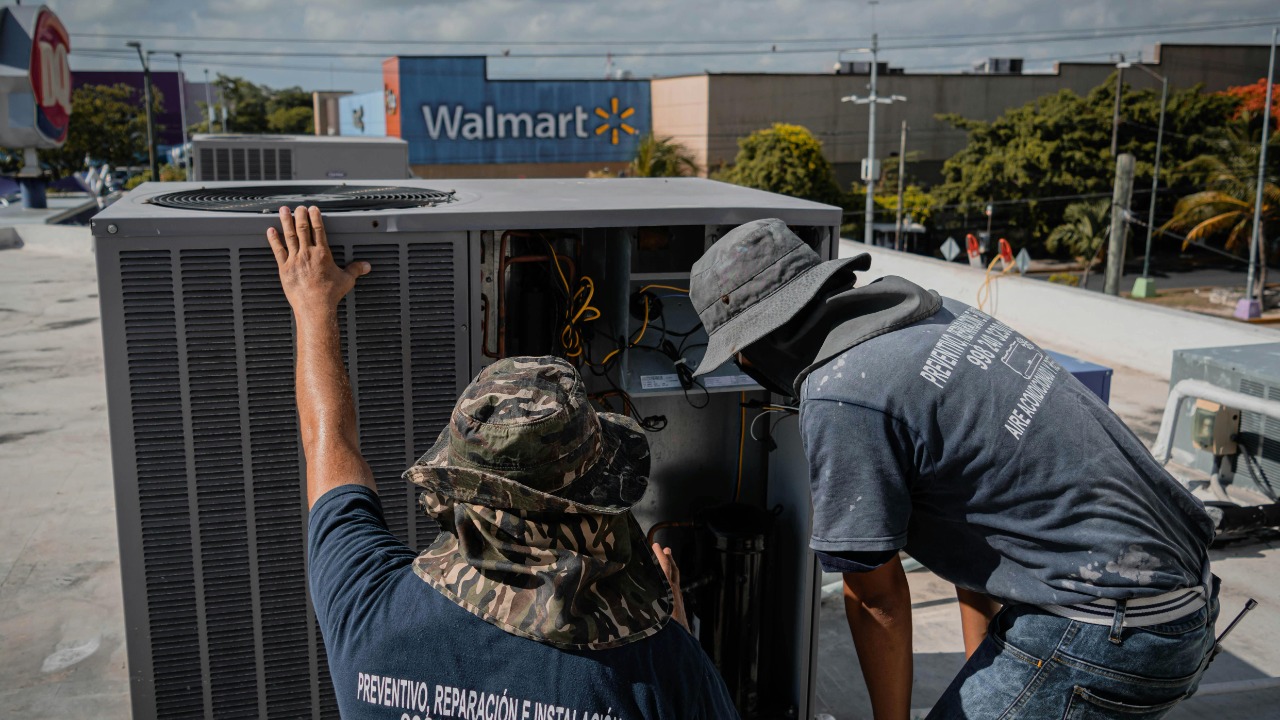
Heating, ventilation, and air conditioning (HVAC) technicians are crucial in maintaining comfortable and safe environments in homes and businesses. The demand for these professionals is rising, as climate control systems become more sophisticated and energy-efficient. According to FinanceBuzz, HVAC technicians command salaries exceeding $80,000, reflecting the specialized skills required to install, maintain, and repair these systems. The growing emphasis on energy efficiency and sustainable building practices further fuels the demand for skilled HVAC technicians.
Employers report difficulty in recruiting qualified HVAC technicians quickly enough to meet demand. This shortage is driven by the increasing complexity of HVAC systems and the need for regular maintenance to ensure optimal performance. As buildings become more energy-efficient and environmentally friendly, HVAC technicians who are knowledgeable about the latest technologies and regulations will find themselves in high demand. This career offers not only competitive pay but also the opportunity to work in a variety of settings, from residential homes to large commercial buildings.
Furthermore, the rise of smart home technology has transformed the HVAC industry, with systems now capable of being controlled remotely via smartphones and integrated with other smart devices. This advancement requires HVAC technicians to be proficient in both mechanical and digital technologies, expanding their skill set and increasing their value in the job market. Additionally, as climate change leads to more extreme weather conditions, the demand for efficient and reliable HVAC systems grows, further driving the need for skilled technicians who can ensure these systems operate effectively under varying conditions.
4. Welders
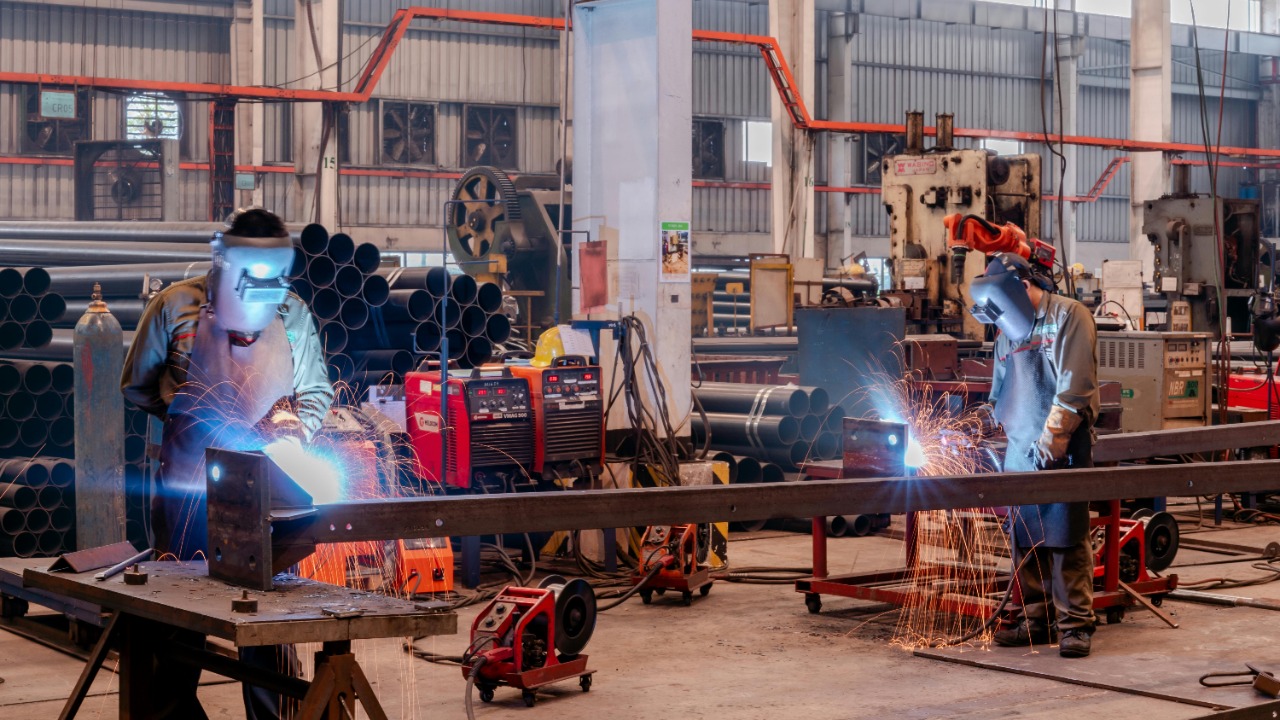
Welders are essential in a wide range of industries, from construction and manufacturing to automotive and aerospace. The demand for skilled welders is high, as their expertise is critical in fabricating and repairing metal structures. According to AOL Finance, welders can earn over $80,000 annually, particularly those with specialized skills in areas such as underwater welding or advanced fabrication techniques. The shortage of qualified welders is a significant challenge for employers, who struggle to fill vacancies quickly enough to meet project timelines.
The critical shortages in the welding industry are driven by the increasing complexity of projects and the need for precision and expertise. As infrastructure projects expand and manufacturing processes become more advanced, the demand for skilled welders continues to grow. This presents a lucrative opportunity for those entering the field, as they can expect not only competitive salaries but also job security and opportunities for advancement. With the right training and experience, welders can enjoy a rewarding career in a variety of industries.
Additionally, the welding industry is seeing a surge in demand for professionals skilled in robotic welding and automation technologies. As manufacturing processes become more automated, welders who can operate and maintain robotic welding systems are particularly valuable. This technological shift not only increases productivity but also enhances the precision and quality of welds, making these skills highly desirable. Furthermore, welders who are certified in specialized techniques, such as TIG or MIG welding, often find themselves with more job opportunities and the potential for higher earnings.
5. Elevator Installers and Repairers
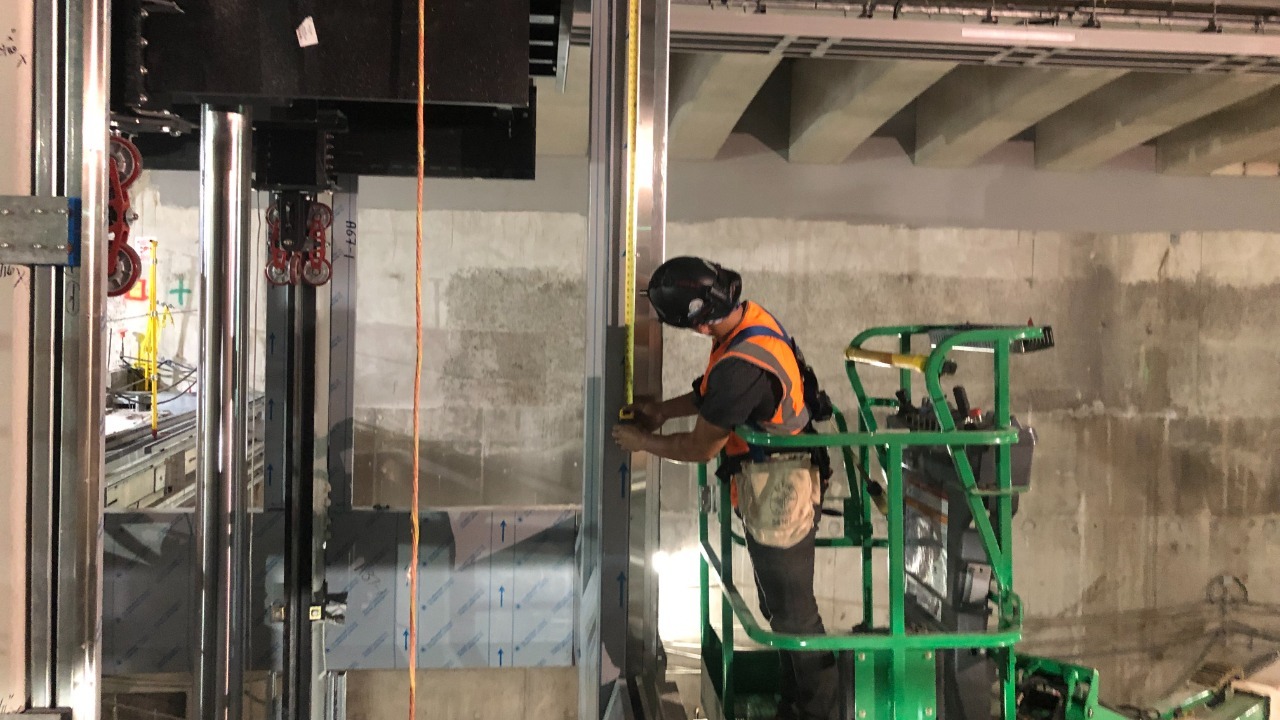
Elevator installers and repairers are specialists in maintaining the vertical transportation systems that are essential in modern buildings. The demand for these professionals is high, as the construction of new high-rise buildings and the maintenance of existing elevators require skilled technicians. According to FinanceBuzz, these technicians earn over $80,000 annually, reflecting the specialized nature of their work. The shortage of qualified elevator installers and repairers is a significant challenge for employers, who struggle to fill positions quickly enough to meet demand.
The hiring lags in this niche field are driven by the increasing complexity of elevator systems and the need for regular maintenance to ensure safety and reliability. As buildings become taller and more sophisticated, the demand for skilled elevator technicians continues to grow. This presents a lucrative opportunity for those entering the field, as they can expect not only competitive salaries but also job security and opportunities for advancement. With the right training and experience, elevator installers and repairers can enjoy a rewarding career in a variety of settings.
Moreover, the increasing focus on safety and accessibility in building design has led to a greater demand for elevator systems that accommodate a wider range of needs, including those of individuals with disabilities. Elevator installers and repairers who are knowledgeable about the latest safety standards and accessibility features are in high demand. This specialization not only ensures compliance with regulations but also enhances the quality of life for building occupants, making these professionals integral to modern construction and maintenance projects.
6. Power Plant Operators
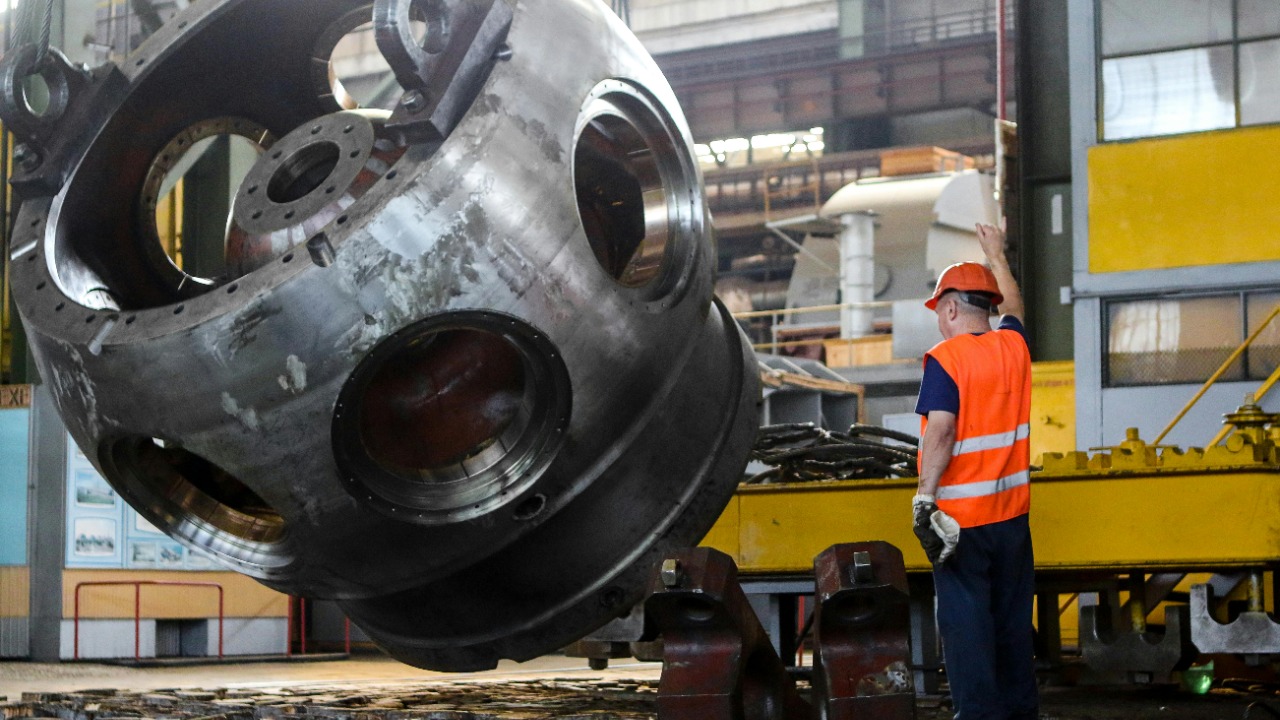
Power plant operators play a crucial role in managing the facilities that generate electricity, ensuring a reliable supply of energy to homes and businesses. The demand for these professionals is high, as the energy sector continues to evolve and expand. According to AOL Finance, power plant operators earn salaries exceeding $80,000, reflecting the critical nature of their work. Employers face challenges in meeting staffing needs promptly, as the pool of qualified candidates struggles to keep pace with demand.
The shortage of power plant operators is driven by the increasing complexity of energy generation facilities and the need for skilled professionals to manage them. As the energy sector shifts towards renewable sources and more efficient technologies, the demand for qualified operators continues to grow. This presents a lucrative opportunity for those entering the field, as they can expect not only competitive salaries but also job security and opportunities for advancement. With the right training and experience, power plant operators can enjoy a rewarding career in a dynamic and evolving industry.
In addition, the transition towards more sustainable energy sources, such as wind, solar, and hydroelectric power, is reshaping the role of power plant operators. These professionals are now required to manage a diverse array of energy generation systems, necessitating a broader skill set and adaptability to new technologies. As the energy landscape evolves, operators who are proficient in managing both traditional and renewable energy systems are particularly valuable, offering them a competitive edge in the job market and the potential for career advancement.
7. Electrical Power-Line Installers
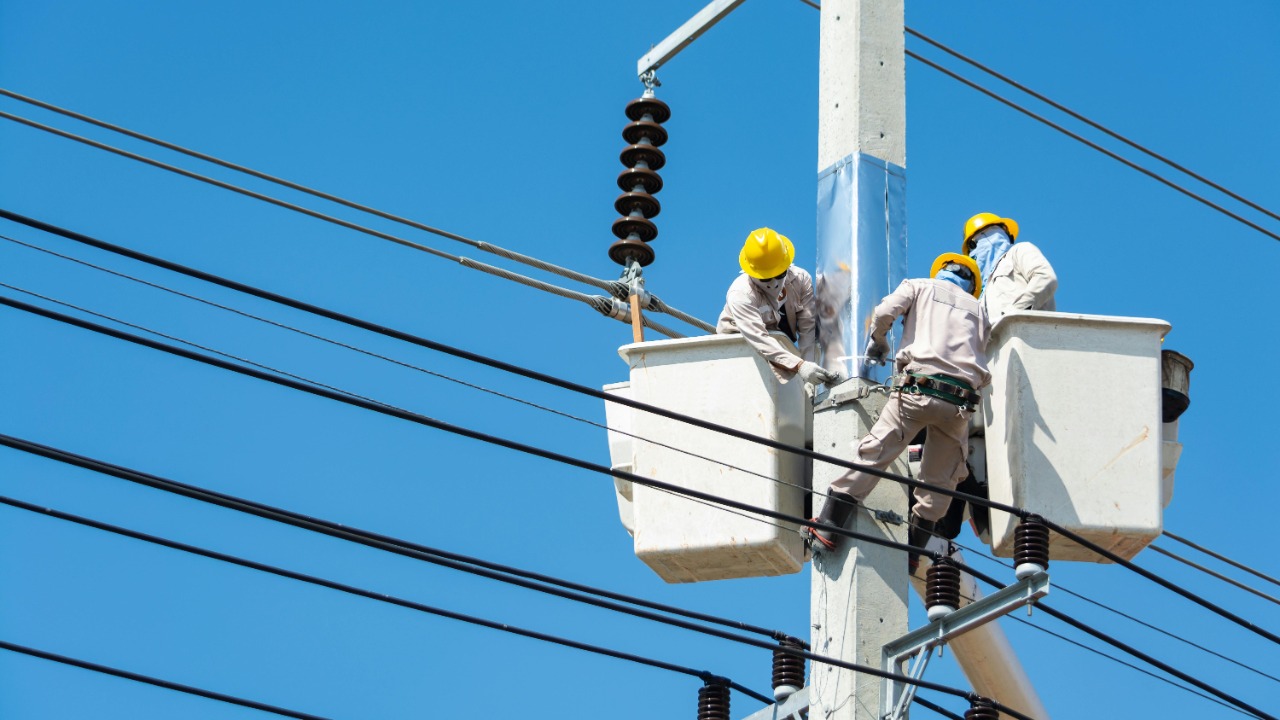
Electrical power-line installers are essential in maintaining the infrastructure that delivers electricity to homes and businesses. The demand for these professionals is high, as the expansion of the power grid and the need for regular maintenance require skilled technicians. According to FinanceBuzz, these roles pay more than $80,000 annually, reflecting the critical nature of their work. Employers struggle to fill positions quickly enough to meet demand, as the pool of qualified candidates is limited.
The rapid job openings in this field are driven by the increasing complexity of power-line systems and the need for regular maintenance to ensure reliability. As the power grid expands and becomes more sophisticated, the demand for skilled power-line installers continues to grow. This presents a lucrative opportunity for those entering the field, as they can expect not only competitive salaries but also job security and opportunities for advancement. With the right training and experience, electrical power-line installers can enjoy a rewarding career in a variety of settings.
Furthermore, the push towards renewable energy sources has led to the expansion of the electrical grid to accommodate new power generation sites, such as wind farms and solar arrays. This expansion requires power-line installers to work in diverse environments, from urban centers to remote rural areas, enhancing the variety and scope of their work. Additionally, as the grid becomes more complex, the need for advanced diagnostic and problem-solving skills increases, making experienced power-line installers indispensable to maintaining a reliable power supply.
8. Boilermakers
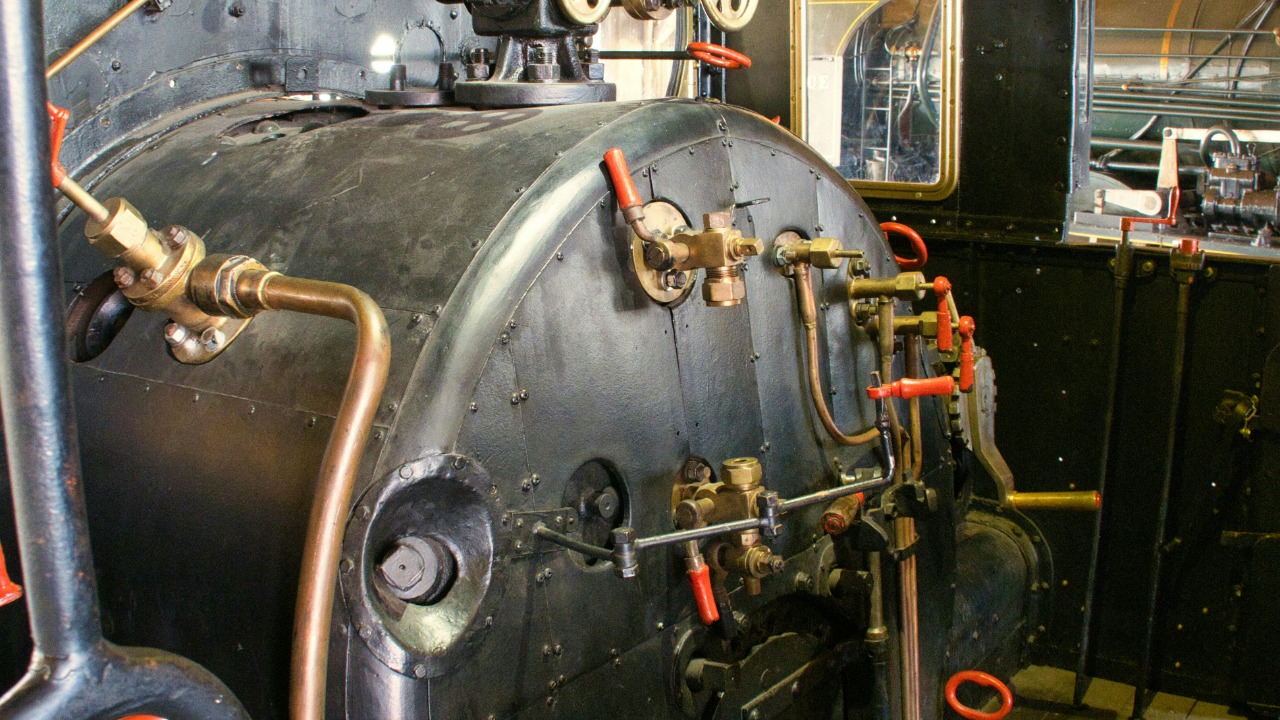
Boilermakers are specialists in constructing and repairing industrial vessels, such as boilers and tanks, that are essential in a wide range of industries. The demand for these professionals is high, as their expertise is critical in maintaining and upgrading industrial infrastructure. According to AOL Finance, boilermakers earn salaries exceeding $80,000, reflecting the specialized nature of their work. Employers face persistent vacancies due to skill gaps, as the pool of qualified candidates struggles to keep pace with demand.
The shortage of boilermakers is driven by the increasing complexity of industrial projects and the need for precision and expertise. As industries expand and infrastructure needs grow, the demand for skilled boilermakers continues to rise. This presents a lucrative opportunity for those entering the field, as they can expect not only competitive salaries but also job security and opportunities for advancement. With the right training and experience, boilermakers can enjoy a rewarding career in a variety of industries.
Moreover, the modernization of industrial facilities to improve efficiency and reduce emissions is driving demand for boilermakers skilled in the latest fabrication and welding techniques. These professionals are crucial in retrofitting existing systems and constructing new, more efficient boilers and tanks. As industries strive to meet stricter environmental regulations, boilermakers who are adept at implementing these changes are highly sought after, offering them not only job security but also opportunities for specialization and advancement in their careers.
9. Wind Turbine Technicians
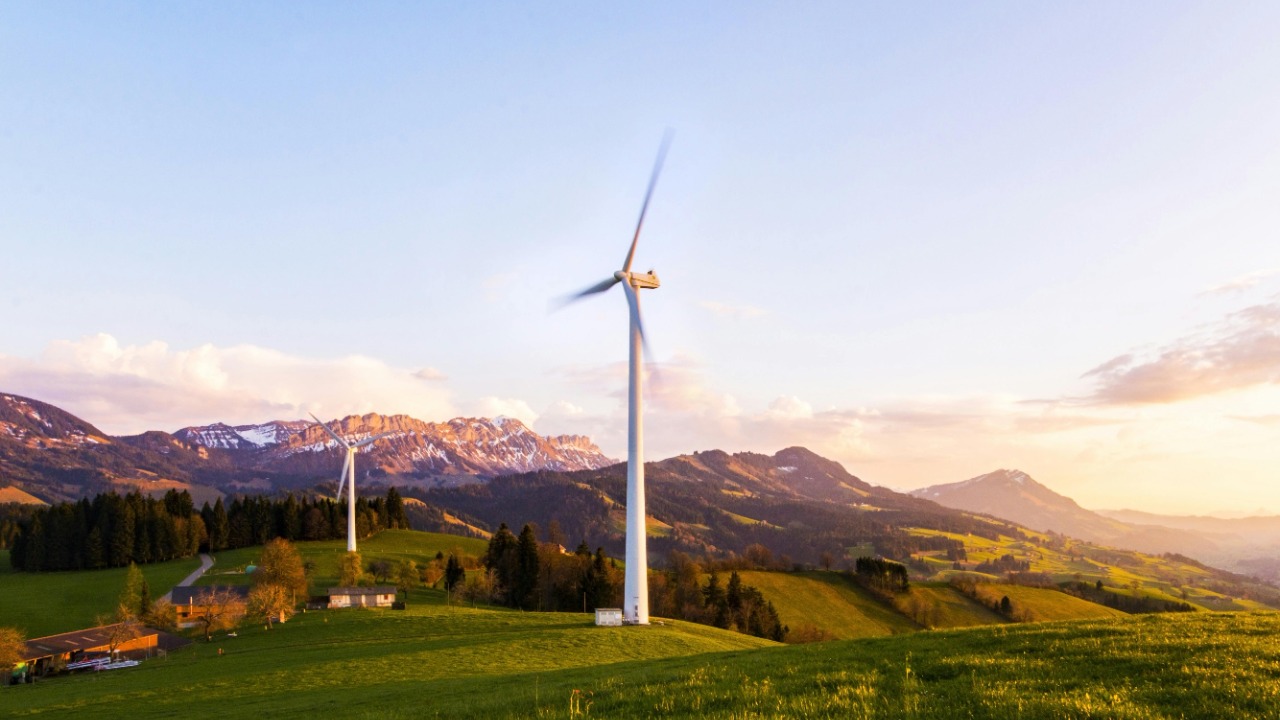
Wind turbine technicians are at the forefront of the renewable energy sector, maintaining the systems that harness wind power to generate electricity. The demand for these professionals is high, as the shift towards green energy continues to accelerate. According to FinanceBuzz, wind turbine technicians earn over $80,000 annually, reflecting the specialized skills required to maintain and repair these systems. Employers face emerging shortages in this field, as the pool of qualified candidates struggles to keep pace with demand.
The challenges in filling wind turbine technician positions are driven by the increasing complexity of renewable energy systems and the need for regular maintenance to ensure optimal performance. As the renewable energy sector expands and becomes more sophisticated, the demand for skilled technicians continues to grow. This presents a lucrative opportunity for those entering the field, as they can expect not only competitive salaries but also job security and opportunities for advancement. With the right training and experience, wind turbine technicians can enjoy a rewarding career in a dynamic and evolving industry.
Additionally, as the renewable energy sector continues to grow, wind turbine technicians are increasingly involved in the development and implementation of new technologies designed to enhance the efficiency and output of wind power systems. This includes the integration of advanced monitoring and diagnostic tools that allow for real-time performance analysis and predictive maintenance. Technicians who are skilled in these cutting-edge technologies are essential to maximizing the productivity and longevity of wind turbines, making them invaluable assets in the push towards a more sustainable energy future.

Grant Mercer covers market dynamics, business trends, and the economic forces driving growth across industries. His analysis connects macro movements with real-world implications for investors, entrepreneurs, and professionals. Through his work at The Daily Overview, Grant helps readers understand how markets function and where opportunities may emerge.

