The ongoing U.S. government shutdown, now in its third week, is raising significant concerns about the Federal Reserve’s ability to maintain market confidence. With economic data and policy implementation delayed, investors are advised to prepare for potential volatility if the Fed’s credibility erodes. Experts suggest targeted portfolio shifts to safeguard against uncertainty, focusing on defensive assets to counter inflation fears and interest rate disruptions. These strategies are crucial for navigating the current economic landscape.
Understanding the Shutdown’s Impact on Fed Credibility
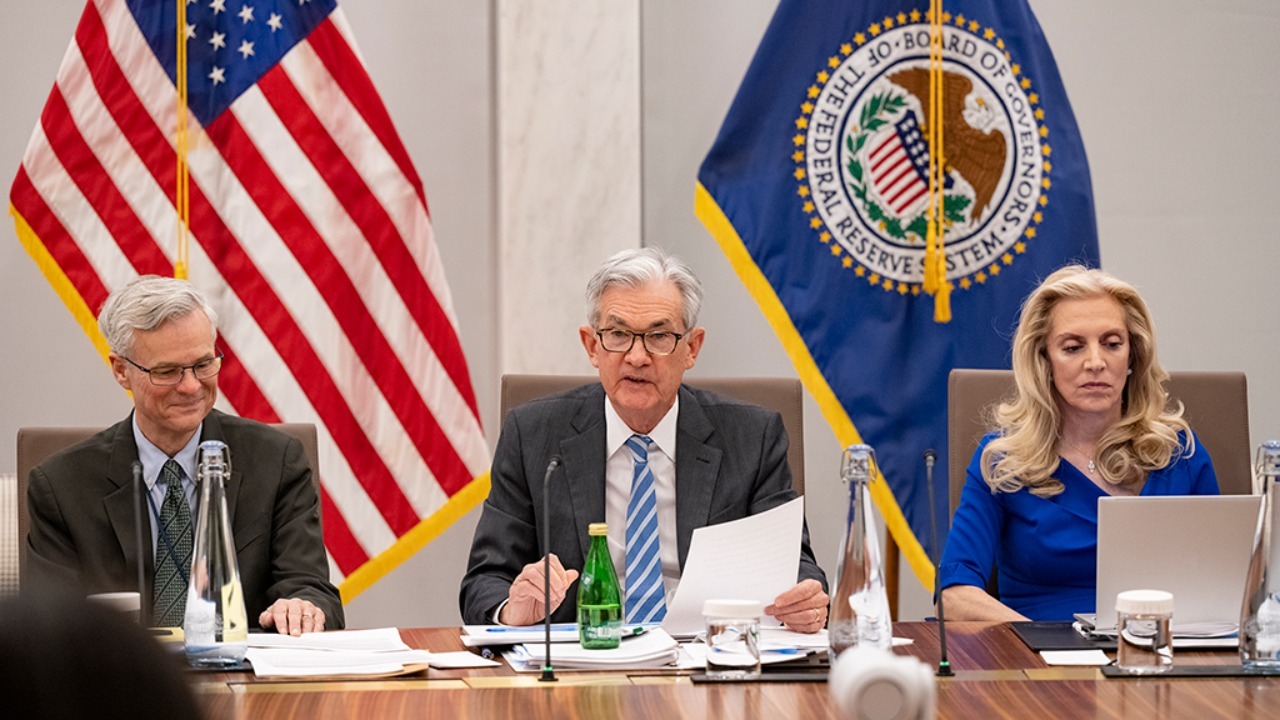
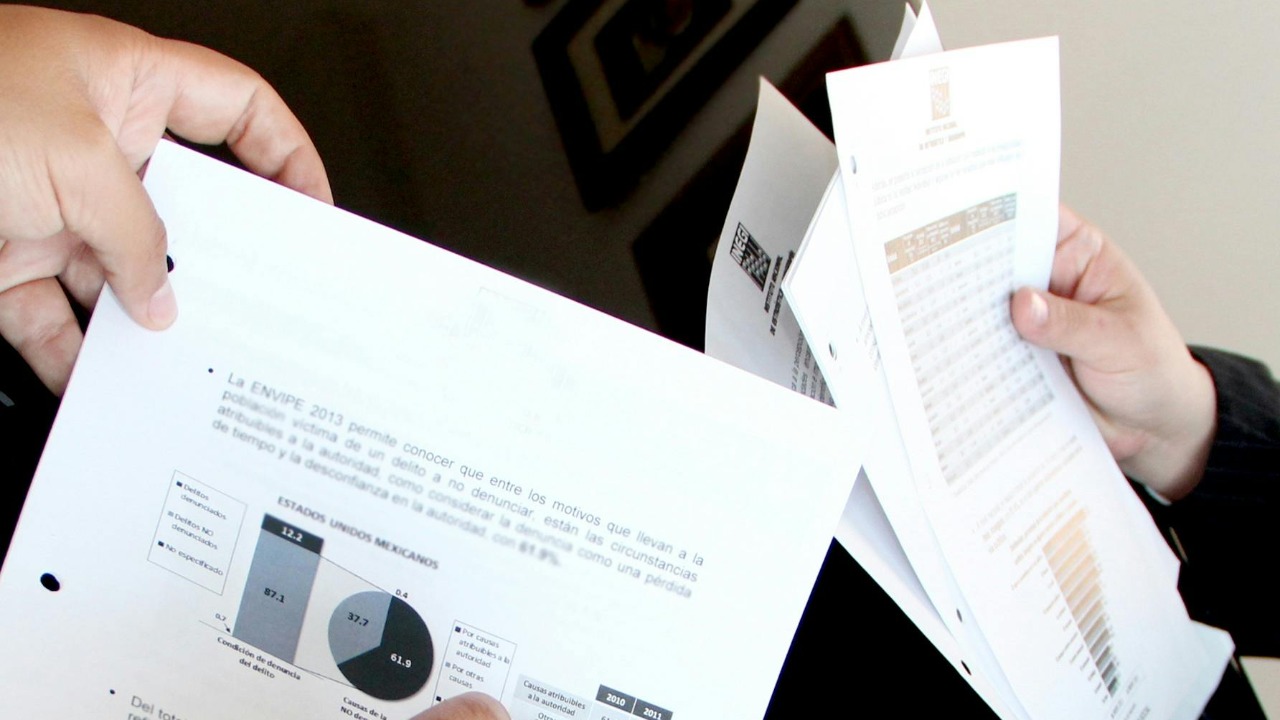
The government shutdown has led to delays in key economic reports, such as employment data from the Bureau of Labor Statistics. This situation forces the Federal Reserve to make decisions without full information, potentially eroding trust in its independence. The lack of timely data complicates the Fed’s ability to communicate effectively with the markets, which can lead to increased volatility and uncertainty. According to MSN, this scenario is reminiscent of the 2018-2019 shutdown, where similar disruptions led to market jitters and questioned Fed Chair Jerome Powell’s communication effectiveness.
Historical precedents highlight the challenges faced by the Fed during prolonged shutdowns. In the past, such disruptions have amplified perceptions of political interference in Fed operations. Economists like Mark Zandi of Moody’s Analytics warn that these perceptions could undermine the Fed’s credibility, making it harder for the institution to maintain its independence and effectiveness. The potential for political influence over monetary policy decisions is a significant concern for investors and policymakers alike.
Experts emphasize the importance of maintaining the Fed’s credibility to ensure stable economic conditions. The Fed’s ability to act independently and make informed decisions is crucial for maintaining market confidence. Without reliable data, the Fed’s policy decisions may be perceived as less credible, leading to increased market volatility and uncertainty. This situation underscores the need for investors to be prepared for potential disruptions in the financial markets.
Market Volatility Risks from Eroded Fed Trust

If the Fed’s credibility diminishes, it could lead to higher Treasury yields as investors demand premiums for uncertainty. According to MarketWatch, the 10-year note could potentially rise above 4.5%, reflecting increased risk premiums. This rise in yields would have significant implications for the broader economy, affecting borrowing costs for businesses and consumers alike.
The impact on equities could be substantial, with sectors like technology potentially experiencing 5-10% drawdowns if rate hike expectations shift unpredictably. Investors may become more risk-averse, leading to sell-offs in more volatile sectors. This shift in market sentiment could exacerbate existing economic challenges, making it more difficult for companies to raise capital and invest in growth opportunities.
In the bond market, the potential widening of credit spreads by 50 basis points for investment-grade corporates could signal liquidity concerns. As investors demand higher returns for perceived risks, companies may face increased borrowing costs, which could impact their ability to finance operations and expansion plans. This scenario highlights the interconnectedness of financial markets and the importance of maintaining confidence in the Fed’s ability to manage economic challenges effectively.
Defensive Portfolio Shifts to Prioritize

To mitigate the risks associated with eroded Fed credibility, experts recommend increasing allocations to short-term Treasuries. Targeting 20-30% of fixed-income holdings in these assets can help buffer against rate volatility. Short-term Treasuries are generally considered safer investments during periods of uncertainty, providing a stable source of income while minimizing exposure to interest rate fluctuations.
Adding gold and commodities exposure, aiming for 5-10% of the portfolio, can serve as a hedge against inflation spikes tied to Fed policy doubts. These assets tend to perform well during periods of economic uncertainty, offering diversification benefits and potential protection against currency devaluation. By incorporating these elements into their portfolios, investors can better navigate the challenges posed by the current economic environment.
Reducing exposure to high-duration bonds is another strategy to consider, cutting them by half to avoid losses if yields climb to 5% or higher. High-duration bonds are more sensitive to interest rate changes, making them riskier investments in a volatile market. By adjusting their bond holdings, investors can reduce potential losses and maintain a more balanced portfolio.
Equity and Alternative Adjustments for Resilience

Overweighting defensive sectors like utilities and consumer staples, increasing to 25% of equity allocation, can help weather economic data gaps. These sectors tend to be less sensitive to economic cycles, providing stability and consistent returns even during periods of market turbulence. By focusing on these areas, investors can reduce their exposure to more volatile sectors and maintain a more resilient portfolio.
International diversification is another strategy to consider, with a recommendation to allocate 15% to developed markets outside the U.S. This approach can help mitigate domestic policy risks and provide exposure to growth opportunities in other regions. By diversifying their investments globally, investors can reduce their reliance on the U.S. economy and potentially benefit from stronger performance in international markets.
Considering Treasury Inflation-Protected Securities (TIPS) for 10% of the portfolio can protect against potential CPI surprises from shutdown delays. TIPS are designed to provide protection against inflation, making them a valuable addition to a diversified portfolio. By incorporating TIPS, investors can safeguard their purchasing power and maintain a more balanced investment strategy.
Long-Term Monitoring and Rebalancing Strategies

Implementing quarterly rebalancing protocols is essential to adjust for Fed announcements and ensure portfolios stay aligned with risk tolerance amid ongoing shutdown negotiations. Regular rebalancing allows investors to maintain their desired asset allocation and respond to changes in the economic environment. By staying proactive, investors can better manage risks and capitalize on opportunities as they arise.
Consulting financial advisors for personalized tweaks is particularly important if the shutdown extends beyond January 2024, affecting retirement accounts. Financial advisors can provide valuable insights and guidance tailored to individual circumstances, helping investors navigate complex market conditions. By seeking professional advice, investors can make informed decisions and optimize their portfolios for long-term success.

Grant Mercer covers market dynamics, business trends, and the economic forces driving growth across industries. His analysis connects macro movements with real-world implications for investors, entrepreneurs, and professionals. Through his work at The Daily Overview, Grant helps readers understand how markets function and where opportunities may emerge.

