
Building trust and ensuring job security in today’s dynamic work environment requires cultivating specific habits that resonate with both remote and in-office settings. As the workplace continues to evolve, especially with the rise of remote work, employees must adapt by fostering transparency and reliability. The following work habits are essential for anyone looking to enhance their professional relationships and secure their position within an organization.
Consistent Communication in Remote Settings

Maintaining regular communication is crucial for remote employees to build trust and reliability. Regular check-ins with team members and supervisors ensure that everyone is aligned and aware of ongoing projects. This habit not only fosters a sense of accountability but also enhances visibility within the team. By consistently communicating, remote workers can demonstrate their commitment and reliability, which are key components of trust-building. For more insights on managing remote teams, visit HR Morning.
Proactive Updates on Progress

Sharing real-time updates on project progress without being prompted is a powerful way to demonstrate dependability. This proactive approach aligns with best practices in remote management, where team confidence is built through transparency and regular information sharing. By keeping colleagues informed, employees can prevent misunderstandings and ensure that everyone is on the same page, which is crucial for maintaining trust in a distributed work environment. Learn more about effective remote management strategies at HR Morning.
Transparent Sharing of Work Processes
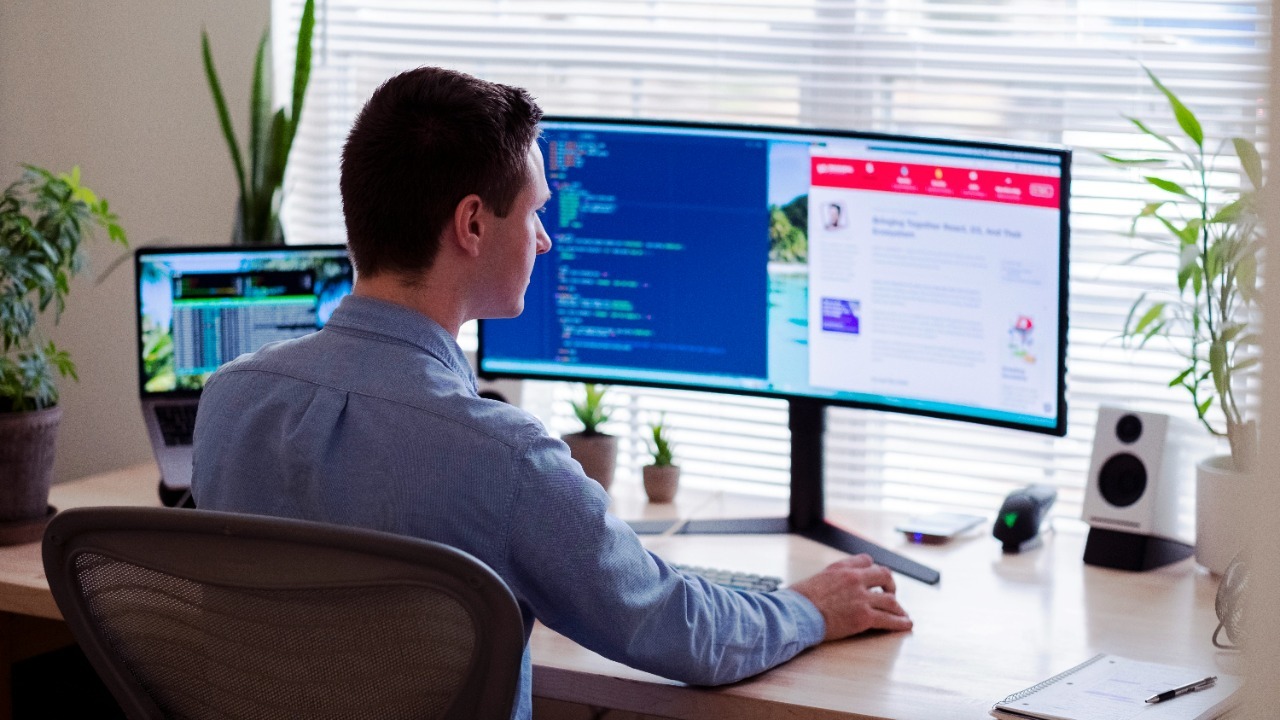
Openly explaining work methods and decisions to colleagues is essential for fostering transparency and trust. This practice helps demystify processes and allows team members to understand the rationale behind certain actions. By being transparent, employees can build stronger professional relationships and create an environment where trust is a natural outcome. For strategies on designing for transparency and trust, refer to Harvard Business Review.
Timely Response to Team Inquiries

Responding promptly to messages and requests is vital in remote work settings, where communication is primarily digital. Timely responses demonstrate reliability and predictability, which are foundational to building trust. By ensuring that inquiries are addressed quickly, remote employees can maintain a steady flow of communication and prevent potential bottlenecks. This habit is a cornerstone of effective remote employee oversight, as outlined by HR Morning.
Honest Reporting of Challenges

Disclosing obstacles early and factually is crucial for building credibility within a team. By being upfront about challenges, employees can foster an environment of trust and collaboration. This approach aligns with principles of transparency that emphasize clear communication of realities, allowing teams to address issues collectively and efficiently. For more on designing trust through communication, see Harvard Business Review.
Establishing Clear Boundaries

Defining availability and expectations upfront is essential in remote work environments. By setting clear boundaries, employees can contribute to mutual respect and long-term job stability. This structured approach to remote interactions helps manage expectations and ensures that work-life balance is maintained, which is critical for sustained productivity and trust. For guidance on managing remote employees, visit HR Morning.
Data-Driven Decision Sharing

Explaining choices with supporting evidence is a powerful way to promote openness and transparency. By sharing data-driven decisions, employees can foster trust in their information handling and demonstrate a commitment to informed decision-making. This practice not only enhances credibility but also encourages a culture of accountability and transparency. For more on fostering trust through data, refer to Harvard Business Review.
Collaborative Tool Proficiency

Mastering shared platforms for seamless remote collaboration is essential for reinforcing team trust. Proficiency in collaborative tools ensures that contributions are efficient and visible, which is crucial for maintaining trust in distributed teams. By demonstrating competence in these tools, employees can enhance their productivity and reliability, key factors in building a trustworthy professional reputation. For insights on managing remote teams, see HR Morning.
Ethical Handling of Sensitive Information

Upholding confidentiality while being forthright about data use is critical for securing professional reliability. By handling sensitive information ethically, employees can build trust with colleagues and stakeholders. This practice aligns with frameworks for transparency that emphasize the importance of ethical data management. For strategies on designing for transparency and trust, visit Harvard Business Review.
Regular Feedback Seeking
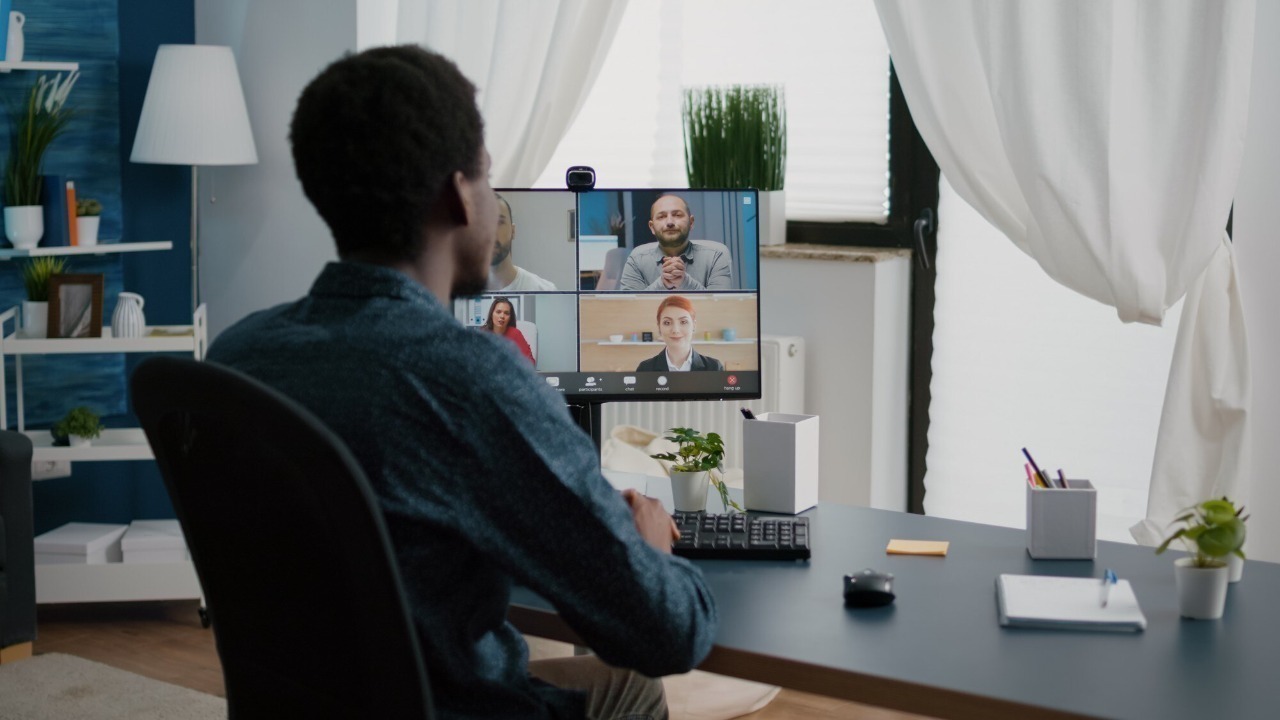
Actively soliciting input from peers is a key habit for enhancing trust in remote dynamics. By showing a commitment to improvement and collective success, employees can foster a culture of openness and collaboration. Regular feedback not only helps individuals grow but also strengthens team cohesion and trust. For more on effective remote management practices, refer to HR Morning.
Consistent Follow-Through on Commitments

Delivering on promises reliably is essential for instilling confidence and trust within a team. By consistently following through on commitments, employees can demonstrate accountability and reliability, which are crucial for building strong professional relationships. This habit aligns with trust-building designs that emphasize the importance of accountability in interactions. For insights on fostering trust through transparency, see Harvard Business Review.
Virtual Presence and Engagement
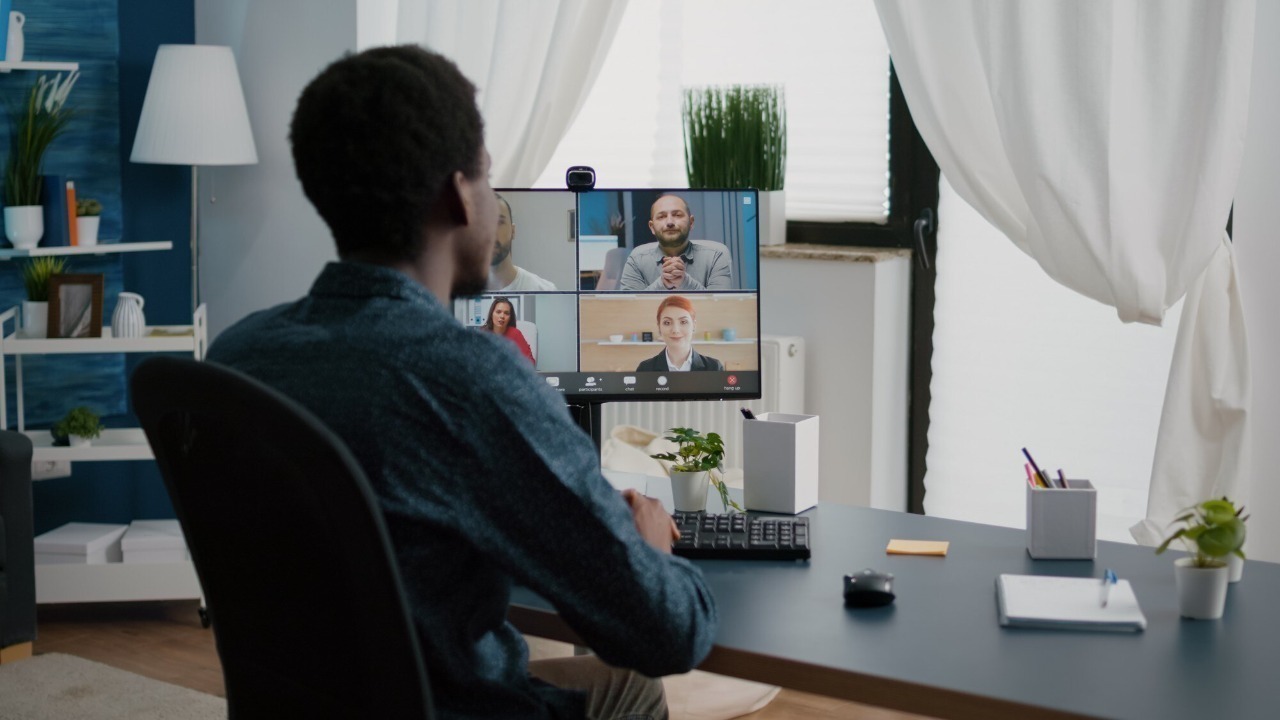
Participating fully in online meetings is vital for building security and trust in remote teams. By demonstrating dedication and approachability, employees can enhance their virtual presence and foster a sense of connection with colleagues. This engagement is crucial for maintaining team cohesion and ensuring that remote work is as effective as in-person collaboration. For guidance on managing remote employees, visit HR Morning.
Clear Documentation of Agreements

Recording and sharing meeting outcomes transparently is essential for supporting enduring trust in professional exchanges. By providing verifiable records, employees can ensure that agreements are clear and understood by all parties involved. This practice not only enhances accountability but also prevents misunderstandings and disputes. For strategies on designing for transparency and trust, refer to Harvard Business Review.
Adaptable Problem-Solving in Isolation

Independently addressing issues while keeping the team informed is crucial for promoting job security and resilience in remote management contexts. By demonstrating adaptability and problem-solving skills, employees can build trust and showcase their ability to handle challenges effectively. This habit is a key component of successful remote work, where independence and collaboration must coexist. For more on managing remote teams, see HR Morning.

Cole Whitaker focuses on the fundamentals of money management, helping readers make smarter decisions around income, spending, saving, and long-term financial stability. His writing emphasizes clarity, discipline, and practical systems that work in real life. At The Daily Overview, Cole breaks down personal finance topics into straightforward guidance readers can apply immediately.

