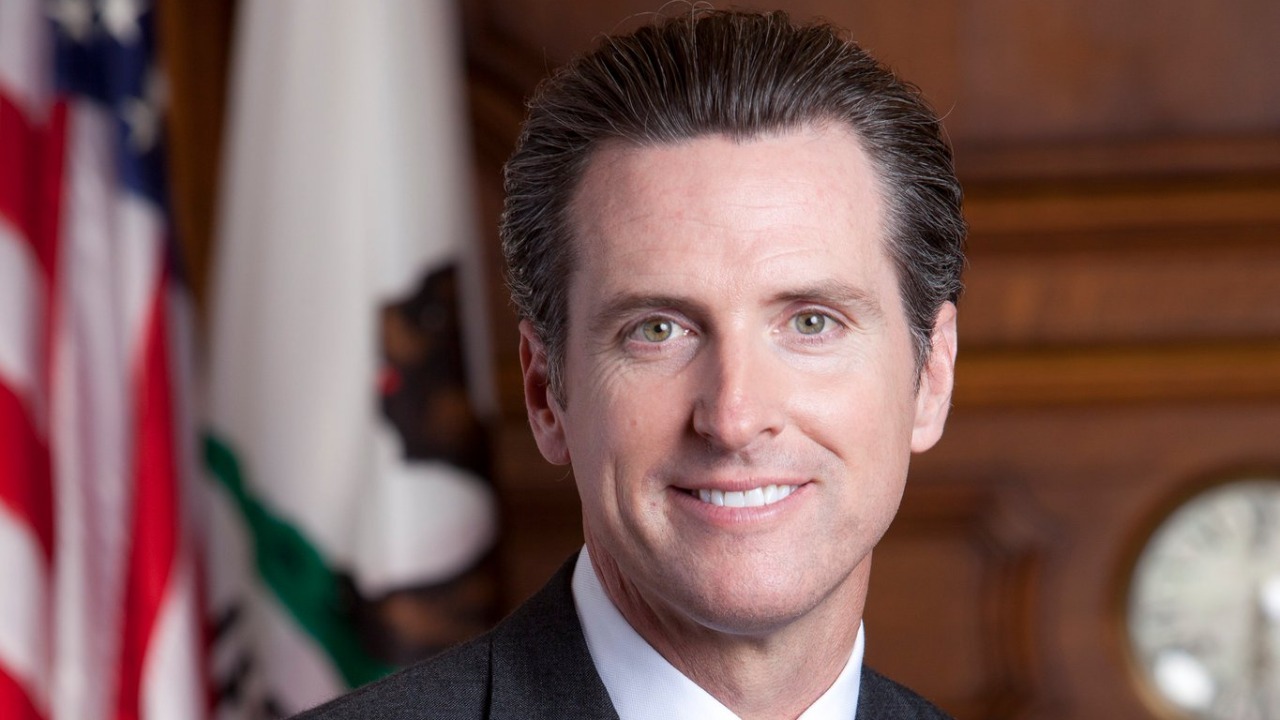
California’s latest fight over taxing the ultra rich has turned into a political whiplash moment for Gov. Gavin Newsom. After years of aligning himself with progressive ambitions to tap extreme wealth, he is now warning that a proposed billionaire levy could backfire on the state’s economy just as Silicon Valley leaders mount an aggressive revolt.
I see Newsom’s sudden resistance as less an ideological conversion than a hard‑nosed response to capital flight, tech‑sector anxiety and a ballot measure that threatens to define California’s economic brand for years. The clash over a one‑time billionaire tax is exposing the fault line between the state’s social‑spending ambitions and its dependence on a small, mobile group of ultra‑wealthy taxpayers.
From progressive darling to wealth tax skeptic
Newsom has spent much of his tenure presenting California as a laboratory for ambitious social policy funded by high earners, so his new rhetoric on taxing billionaires marks a sharp tonal shift. He is now describing a proposed wealth tax as “really damaging,” arguing that the state is already watching the richest residents move money and businesses elsewhere rather than wait to see whether Sacramento follows through on new levies on fortunes. In the same context, he has pointed to the decision by LARRY PAGE to move $173 million out of the state, a concrete example he uses to illustrate how sensitive capital has become to any hint of a new California billionaire tax.
That pivot has not happened in a vacuum. California has long leaned on a narrow slice of high‑income residents to fund its budget, and the governor is now openly acknowledging that this model breaks down if those taxpayers decide they have had enough. When he warns that the California wealth tax debate is already prompting billionaires to shift assets and operations, he is effectively conceding that the state’s fiscal health is tied to the decisions of people like PAGE who can relocate $173 million with a few keystrokes, a reality that complicates the progressive case for ever higher levies on the ultra rich.
Inside the union‑backed Billionaire Tax Act
The immediate flashpoint is a proposed ballot measure often described as a Billionaire Tax Act, which would impose a one‑time 5 percent charge on the fortunes of the state’s richest residents. Proponents are preparing to gather signatures to qualify the initiative for the 2026 ballot in California, pitching it as a way to raise billions for health care and education without touching middle‑class taxpayers. The measure is being driven by the health care union Service Employees International Union and its affiliate United Healthcare Workers Wes, which argue that a modest slice of extreme wealth can stabilize funding for programs that have been stretched thin.
Supporters of the plan say the new revenue would be earmarked for priorities like Medi‑Cal and other health care and education programs, framing the tax as a targeted way to shore up safety‑net services. According to Proponents, the one‑time 5 percent hit on billionaire fortunes is a fair trade for more stable funding of care for low‑income Californians, including Medi‑Cal beneficiaries. The union coalition behind the measure is betting that voters will side with nurses and patients over tech moguls, and that the promise of dedicated money for hospitals and classrooms will outweigh warnings about capital flight.
Silicon Valley revolt and the governor’s pledge to “protect” California
That bet has run into a fierce backlash from the tech world that helped build California’s modern economy. In Silicon Valley, the proposed billionaire tax has rattled founders, investors and executives who already feel targeted by the state’s high income and capital gains rates. The measure has “entangled” the governor politically because many of the people most alarmed by it are the same donors and business leaders who have backed his campaigns and his national ambitions, and they are now pressing him to draw a clear line against what they see as punitive populism aimed at California’s innovation engine.
Newsom has responded by going further than a cautious critique and publicly pledging to defeat the wealth tax initiative. He has framed his opposition as an effort to “protect” California from a policy he says would accelerate the exodus of high‑net‑worth residents and the companies they control. In San Francisco, Gov Gavin Newsom has linked his stance to concerns about homelessness and social services, arguing that a shrinking tax base would ultimately hurt the very Californians the measure is supposed to help. His promise to block the union‑backed plan, reported after he spoke about the proposal championed by Service Employees International Union and United Healthcare Workers Wes, signals that he is willing to confront a powerful labor ally to reassure the tech and business communities that the state will not cross what they see as a red line on confiscatory taxation.
Evidence of flight: billionaires, red states and early fallout
Behind the rhetoric is a growing body of evidence that wealthy Californians are already voting with their feet. Analysts tracking migration patterns have documented a steady flow of high earners to lower‑tax states, particularly in the South, where income and estate tax burdens are lighter. Reporting on the current tax fight notes that California is losing wealthy residents to red states even before any new billionaire levy is enacted, with critics warning that the proposed measure would accelerate the trend by pushing investment and talent toward jurisdictions that promise more predictable tax regimes.
Supporters of the billionaire tax counter that the state cannot meet its obligations on health care and education without asking more from those who have benefited most from its economy, but opponents say the early signs are already ominous. One analysis bluntly states that the California Wealth Tax Is Already Driving People Out of the State, arguing that the mere threat of a new levy has prompted residents with substantial assets to move to lower‑tax states. That report describes how longtime investors in California are reassessing whether it still makes sense to keep their capital and residency in a place where the tax climate is perceived as increasingly hostile, even though the wealth tax has not yet been enacted and its full effects are still hypothetical.
Newsom’s balancing act between unions, progressives and capital
Newsom’s abrupt hard line against the billionaire tax reflects a broader balancing act between his progressive base and the economic realities of a state that depends heavily on the fortunes of a few hundred ultra‑rich residents. On one side are unions like Service Employees International Union and United Healthcare Workers Wes, which see the measure as a once‑in‑a‑generation chance to lock in funding for health care workers and patients. On the other are tech leaders in Silicon Valley and other business figures who warn that even a one‑time 5 percent hit on billionaire fortunes will be read as a signal that California is willing to keep pushing the envelope on taxing wealth, prompting more people like LARRY PAGE to move assets such as the $173 million he shifted out of the state.
In my view, the governor’s recent comments show that he has decided the economic and political risks of embracing the billionaire tax outweigh the benefits of siding with unions on this particular fight. He has warned that the California wealth tax debate is already “really damaging,” echoing concerns that the state is on a collision course with its own high‑end taxpayers as they explore friendlier jurisdictions. Coverage of the current standoff notes that California Gov Newsom is now openly clashing with supporters of the measure, even as those Supporters insist that the new revenue is essential to sustain health care and education. By pledging to defeat the initiative and to “protect” California from it, as detailed in his pledge, Newsom is staking his governorship on the argument that long‑term prosperity and social spending both depend on keeping billionaires inside the tent rather than driving them out.
More From The Daily Overview

Julian Harrow specializes in taxation, IRS rules, and compliance strategy. His work helps readers navigate complex tax codes, deadlines, and reporting requirements while identifying opportunities for efficiency and risk reduction. At The Daily Overview, Julian breaks down tax-related topics with precision and clarity, making a traditionally dense subject easier to understand.

