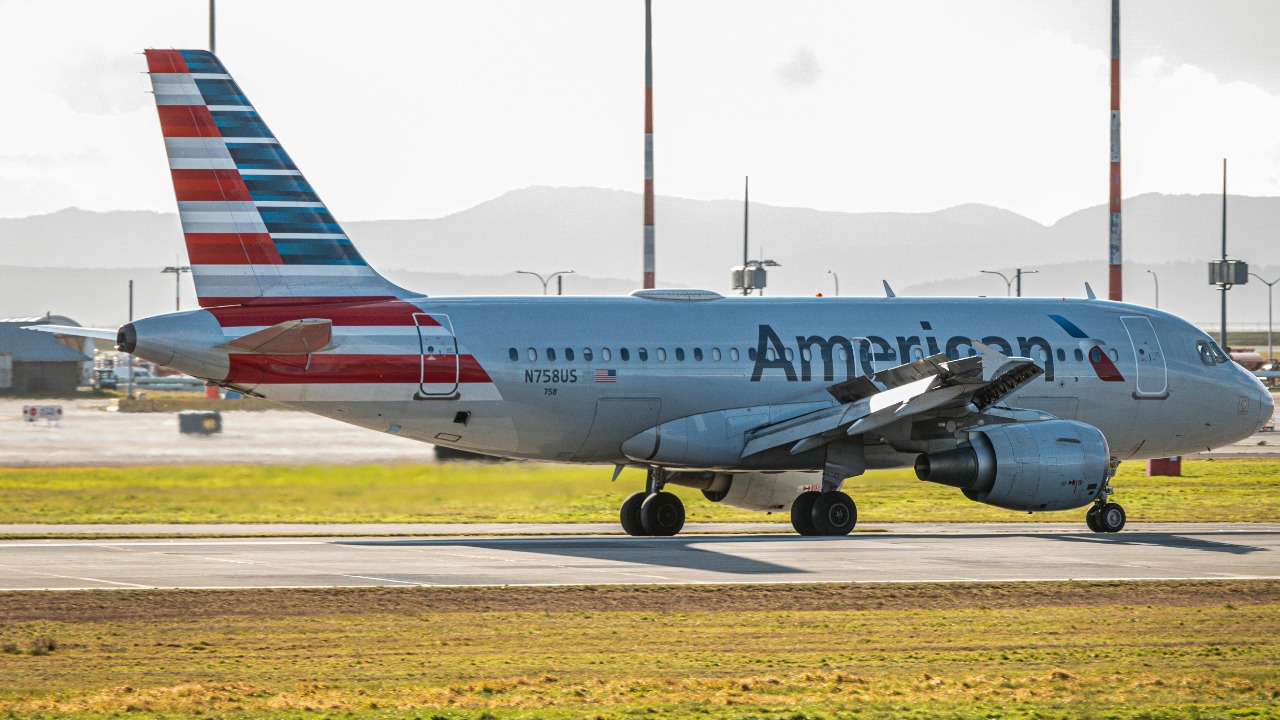
A sweeping recall of Airbus jets is rippling through U.S. aviation, pulling hundreds of workhorse aircraft into an unexpected maintenance spotlight and touching fleets at American Airlines, Delta Air Lines, and other major carriers. The move is forcing airlines, regulators, and passengers to confront how a highly technical safety issue on a European-built airframe can quickly become a nationwide operational and economic story.
At its core, the recall underscores how tightly coupled modern air travel has become, where a component problem on a single aircraft family can affect schedules, maintenance hangars, and balance sheets across the country. As I trace how the directive emerged, which jets are affected, and what it means for travelers, the through line is clear: safety systems are working as designed, but the margin for error in airline operations is vanishingly thin.
What triggered the Airbus recall
The recall began with a technical concern that regulators judged too serious to leave to routine maintenance cycles. Aviation authorities identified a defect affecting specific Airbus models that are widely used on U.S. domestic and transatlantic routes, prompting a formal airworthiness directive that effectively ordered operators to inspect and, where necessary, repair or replace the affected parts. The issue was not framed as an immediate grounding of all aircraft, but the language of the directive made clear that continued operation without corrective action was not acceptable.
Regulators pointed to a risk scenario in which the faulty component could, under certain conditions, compromise the safe operation of the aircraft, even if no accidents had been directly linked to it so far. The recall mechanism, which in aviation typically takes the form of a mandatory directive rather than a consumer-style product recall, required airlines to comply within a defined window, with specific inspection procedures and documentation standards laid out in technical bulletins. According to the available reporting, the directive covered hundreds of Airbus jets in U.S. service, a scale that immediately raised questions about how quickly maintenance shops could absorb the extra work without disrupting schedules. Regulatory filings describe the issue in detailed engineering terms, but the practical takeaway is straightforward: a safety-critical part on a widely used aircraft family needed urgent attention.
How many U.S. jets are affected
The scope of the recall is striking, not because a single airline is overwhelmed, but because the affected jets are spread across nearly every corner of the U.S. market. The directive applies to several Airbus narrowbody and, in some cases, widebody variants that form the backbone of domestic and short-haul international flying. In total, the reporting indicates that several hundred aircraft on the U.S. registry fall under the recall, a figure that includes both mainline and, where applicable, aircraft operated by regional partners under major-brand flags.
Within that total, the mix of models matters. Airbus A320-family jets, including the A319, A320, and A321, are heavily represented in U.S. fleets, and the recall’s focus on specific production batches or engine configurations means that some subfleets are more affected than others. The directive’s reach into these workhorse aircraft explains why the number of impacted jets climbs so quickly once all operators are tallied. The regulator’s summary notes that the U.S. count alone runs into the hundreds, a reminder that even a narrowly defined technical problem can have systemwide implications when it touches such a common platform.
Why American and Delta are in the spotlight
American Airlines and Delta Air Lines feature prominently in the recall narrative because they are among the largest Airbus operators in the United States, with sizable fleets that match the affected models. Both carriers rely heavily on Airbus narrowbodies for dense domestic routes and key international services, so any directive that targets those aircraft will inevitably land hardest on their operations. The recall does not single them out for any failure of oversight; instead, their exposure is a function of scale and fleet composition.
American’s Airbus portfolio includes extensive A319, A320, and A321 operations, while Delta has invested heavily in A321 and other Airbus types as part of its long-term fleet renewal. When regulators detailed the number of U.S. jets covered by the directive, aircraft registered to American and Delta accounted for a significant share of the total, which is why both names appear in early coverage of the recall. Reporting on the affected fleets highlights that these two carriers, along with a handful of smaller operators, must now thread the needle between rapid compliance and maintaining their schedules, a balancing act that naturally draws public attention.
What the recall means for flight safety
From a safety perspective, the recall is less a sign of crisis and more an example of the aviation system catching a problem before it escalates. Airworthiness directives are designed precisely for this purpose: when engineers and regulators identify a credible risk, they move to require inspections and fixes even if no catastrophic failure has occurred. In that sense, the Airbus recall reinforces the idea that commercial aviation treats potential hazards with a low tolerance, particularly when they involve components that could affect critical systems.
For passengers, the key point is that the recall process is part of the safety net, not an indication that the affected jets are inherently unsafe to fly once the mandated work is completed. Airlines must document each inspection and repair, and regulators retain the authority to ground individual aircraft that do not meet the directive’s requirements. The technical guidance attached to the recall spells out the conditions under which an aircraft can continue operating, which typically include interim checks and strict time limits until a permanent fix is in place. In practice, that means the jets returning to service after compliance have been scrutinized more closely than usual, a counterintuitive but real boost to safety margins.
Operational headaches for U.S. airlines
Where the recall bites hardest is in day-to-day operations. Pulling hundreds of aircraft into additional inspections, even if only for a short period, strains maintenance capacity and scheduling flexibility. Airlines already plan heavy checks months in advance, so inserting unplanned work on this scale forces them to reshuffle hangar slots, reassign technicians, and in some cases temporarily park aircraft while waiting for parts or engineering sign-offs. That ripple effect can quickly translate into tighter spare capacity and less room to recover from routine disruptions like weather or air traffic delays.
Carriers have some tools to blunt the impact, such as swapping in unaffected aircraft types on busy routes or consolidating flights where demand allows, but those tactics have limits. The reporting on the recall’s operational impact notes that airlines are working to sequence inspections in ways that minimize cancellations, often scheduling them overnight or during off-peak periods. Even so, the sheer number of jets involved means that some schedule adjustments are inevitable, particularly at carriers like American and Delta that rely heavily on the affected Airbus models. The challenge is not that any single aircraft is out of service for long, but that many of them need attention in a compressed timeframe.
Potential impact on passengers and ticket prices
For travelers, the most immediate effect of the recall is likely to show up in subtle ways: a flight time shifted by an hour, a last-minute aircraft swap, or a slightly more crowded cabin after two lightly booked flights are combined into one. Airlines will work hard to avoid outright cancellations tied directly to the directive, both to protect revenue and to keep regulators satisfied that they are managing the process responsibly. However, when hundreds of aircraft require extra maintenance, some disruption is almost unavoidable, especially during peak travel periods when spare aircraft are scarce.
The knock-on effect on ticket prices is harder to quantify but worth watching. If the recall temporarily reduces effective capacity on certain routes, basic supply and demand dynamics could nudge fares higher, particularly on short-notice bookings where flexibility is limited. At the same time, airlines are wary of pricing themselves out of the market, especially when passengers can easily compare options across carriers and aircraft types. The available reporting on the scale of the recall suggests that while the directive is significant, it does not remove a large enough share of the national fleet to trigger a broad fare spike on its own. Instead, I expect localized pressure on routes where Airbus narrowbodies dominate and where alternative capacity is limited.
How Airbus and regulators are responding
On the manufacturer’s side, Airbus has moved to support operators with technical guidance, parts provisioning, and engineering expertise, all aimed at compressing the time between inspection and full compliance. The company’s priority is twofold: ensure that the safety issue is addressed to regulators’ satisfaction and reassure airline customers that the disruption can be contained. That typically involves issuing detailed service bulletins, coordinating with suppliers to ramp up production of replacement components, and in some cases dispatching field teams to assist airlines with complex repairs.
Regulators, for their part, are walking a familiar line between urgency and practicality. The airworthiness directive sets clear deadlines and procedural requirements, but it also recognizes that airlines need some flexibility to integrate the work into their existing maintenance programs. According to the regulatory documentation, authorities have defined compliance windows that are tight enough to keep risk in check yet broad enough to avoid an immediate mass grounding. Ongoing monitoring will be critical: if inspections uncover more severe wear or unexpected failure patterns, regulators could tighten the rules, while a smooth rollout may allow the industry to treat this as a contained episode rather than a long-running saga.
What this says about Airbus versus Boeing
The recall inevitably feeds into the broader narrative about competition between Airbus and Boeing, even though the underlying issue is a specific technical fault rather than a systemic design failure. In recent years, Boeing has faced intense scrutiny over safety and quality control, which has, in some quarters, cast Airbus as the safer or more reliable alternative. An event like this complicates that perception by reminding the industry and the public that no manufacturer is immune to defects, and that the test of a company’s safety culture lies in how it responds when problems surface.
From a market perspective, the recall is unlikely to trigger a wholesale shift in airline fleet strategies, which are built on decades-long investment cycles and complex performance calculations. However, it may sharpen questions that airlines ask during future purchase negotiations, particularly around support commitments and the speed with which a manufacturer can mobilize resources when a defect is found. The coverage of the directive underscores that Airbus is working closely with regulators and operators, a necessary step to preserve confidence at a time when the entire aerospace sector is under heightened public scrutiny. In that sense, the recall is less a competitive turning point and more a reminder that both major manufacturers operate under the same unforgiving safety expectations.
What travelers should watch next
For passengers trying to make sense of all this, the most practical step is to pay closer attention to airline communications in the weeks and months after the recall. Carriers typically flag schedule changes and aircraft swaps through email or app notifications, and in the context of a large directive, those small alerts can be the first sign that a particular flight has been adjusted to accommodate maintenance. Travelers with tight connections or critical appointments may want to build in a bit more buffer time, especially on routes heavily served by the affected Airbus models.
Looking ahead, the key indicators will be how quickly airlines report full compliance and whether regulators issue any follow-up directives based on inspection findings. If the initial round of checks confirms that the defect can be managed through the prescribed fixes, the operational turbulence should gradually subside, and the recall will recede into the background of aviation’s constant safety work. If, however, inspections reveal more extensive problems, authorities could tighten restrictions or expand the scope of the directive, prolonging the disruption. For now, the available reporting on the recall frames it as a serious but manageable challenge, one that tests the resilience of U.S. airline operations without undermining the fundamental safety of Airbus jets in American skies.
More From TheDailyOverview
- Dave Ramsey warns to stop 401(k) contributions
- 11 night jobs you can do from home (not exciting but steady)
- Small U.S. cities ready to boom next
- 19 things boomers should never sell no matter what

Grant Mercer covers market dynamics, business trends, and the economic forces driving growth across industries. His analysis connects macro movements with real-world implications for investors, entrepreneurs, and professionals. Through his work at The Daily Overview, Grant helps readers understand how markets function and where opportunities may emerge.

