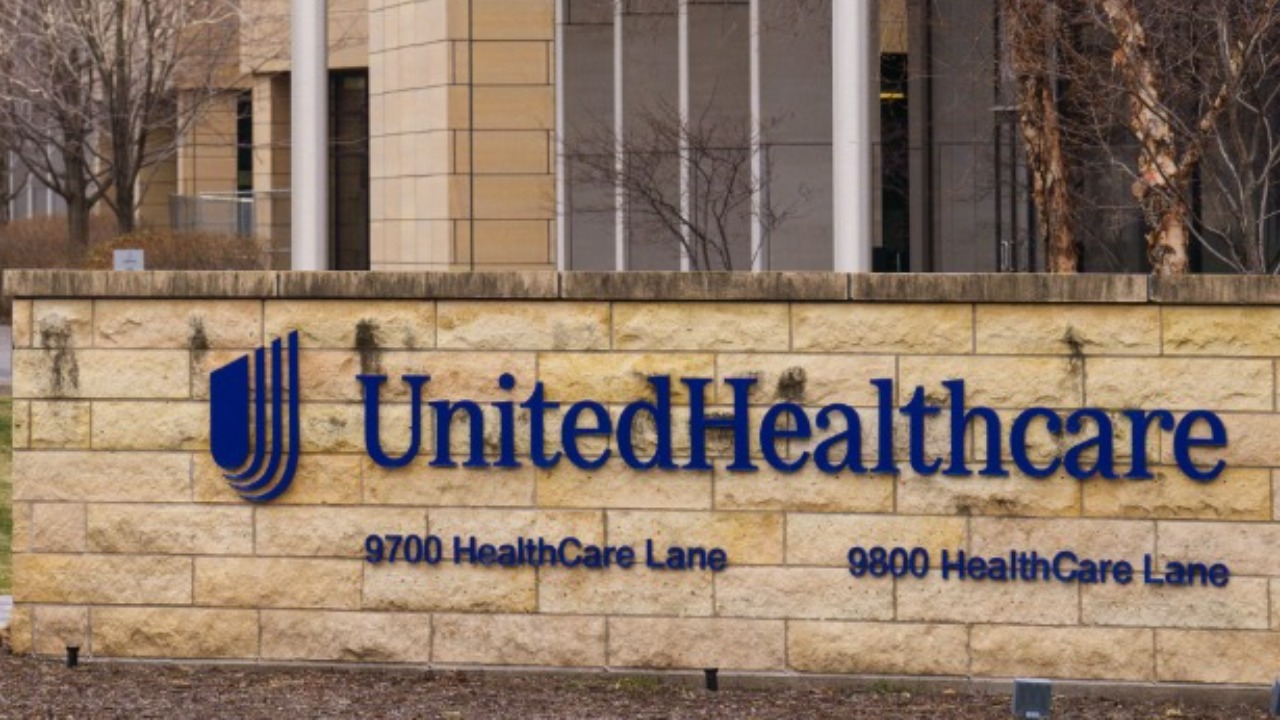
UnitedHealth Group is preparing to shed roughly 1,000,000 Medicare Advantage members in what amounts to the sharpest retrenchment by a dominant private Medicare player in decades. The move will force older Americans across the country to scramble for new coverage, while signaling that the once relentless growth of private Medicare is entering a more volatile phase. I want to unpack how a shift of this scale happened, what it means for seniors’ benefits and doctor access, and how it could reshape the balance of power between giant insurers and the people who depend on them.
The largest Medicare Advantage pullback in a generation
The headline number is stark: UnitedHealth is cutting about 1,000,000 seniors from its Medicare Advantage plans, a contraction that multiple reports describe as the largest Medicare purge in roughly 20 years. One detailed account of the Largest Medicare Purge describes how a single email can upend coverage for an older person who thought their plan was stable. The phrase “Largest Medicare Purge” is not hyperbole in that reporting, it is a recognition that a company which spent years amassing market share is now actively shrinking its footprint for the first time in a generation.
UnitedHealth Group, described in another report as the nation’s largest health insurer, is not simply trimming at the margins. The company is effectively redrawing its Medicare Advantage map, exiting some counties, tightening networks, and allowing entire contracts to lapse. Coverage that once felt automatic to renew is suddenly contingent on whether a member fits the company’s new risk and profitability profile. That same reporting on UnitedHealth Group ties the decision directly to financial pressures and regulatory scrutiny, underscoring that this is not a one-off glitch but a strategic reset.
How UnitedHealth signaled the cuts before they hit
UnitedHealth did not spring this shift entirely out of nowhere, even if it feels that way to many members. The company had already told investors that it expected Medicare Advantage enrollment to shrink by about 1,000,000 people next year. In late October, executives said their plan for the coming year reflected a conservative posture and that they had made significant adjustments to benefits, with one report noting that UnitedHealth expects Medicare Advantage enrollment to shrink by 1M. Another analysis from the same period framed it as a membership contraction of approximately 1,000,000 people driven by plan actions and competitive market dynamics, with the date marked as Oct 28, 2025 and the month “Oct” explicitly cited in the reporting.
Those investor-facing comments were echoed in trade coverage that spelled out how the company was bracing for a sizable drop in Medicare Advantage enrollment. One payer-focused outlet reported that UnitedHealth projects 1 million-member drop in Medicare Advantage enrollment, again tying the figure to Oct 28, 2025 and using the shorthand “Oct” in the coverage. Taken together, these disclosures show that the company was telegraphing a deliberate retreat from some of the most aggressive growth strategies that had defined the Medicare Advantage boom from 2008 through the mid-2020s.
Inside the “Axes 1 Million Seniors” decision
By late November, the scale and character of the cuts came into sharper focus. One detailed report dated Nov 27, 2025 described how UnitedHealth Axes 1 Million Seniors In Largest Medicare Cut In Decades, using that exact phrasing to capture both the number of people affected and the historic nature of the pullback. The same reporting emphasizes that UnitedHealth Group is the nation’s largest health insurer and that the move is unfolding under intense financial pressures and regulatory scrutiny. In other words, this is not a marginal business line being trimmed, it is a core franchise being reshaped in response to a tougher environment.
Another section of that Nov 27, 2025 coverage, labeled “Erosion of Supplemental Benefits,” explains that while nearly all Medicare Advantage plans still offer extras like dental and vision, the richness of those add-ons is slipping. The report notes that While nearly all Medicare Advantage plans continue to advertise supplemental benefits, the erosion of those perks is part of a broader recalibration that could redraw the private Medicare landscape. The section heading “Erosion of Supplemental Benefits” is itself a signal that the cuts are not only about dropping members, they are also about dialing back the very features that made these plans so attractive in the first place.
Why UnitedHealth is pulling back now
To understand why UnitedHealth is making such a dramatic move, it helps to look at the pressures building around Medicare Advantage. Payment rates from the federal government have tightened relative to the generous years that fueled rapid expansion, while regulators have stepped up oversight of risk adjustment, prior authorization, and marketing practices. The Nov 27, 2025 reporting that describes how UnitedHealth Axes 1 Million Seniors In Largest Medicare Cut In Decades explicitly links the decision to financial pressures and regulatory scrutiny, suggesting that the company is choosing to protect margins and compliance standing even if it means shrinking enrollment.
Another analysis dated Nov 18, 2025 puts a finer point on the corporate mindset. That piece notes that So the company did what monopolies often do when the numbers turn bad, it made cuts that affect its customers. The same report frames the move as an effort to restore its swagger, implying that UnitedHealth is willing to trade some goodwill with seniors and providers for a cleaner financial story. When a dominant player behaves this way, it sends a message to the rest of the market about what is acceptable, and that is part of why this particular retrenchment matters beyond UnitedHealth’s own balance sheet.
What the cuts mean for seniors’ benefits and costs
For the 1,000,000 seniors losing their UnitedHealth Medicare Advantage plans, the immediate question is what happens to their benefits and out-of-pocket costs. Many of these members were drawn in by extras like dental, vision, hearing aids, and gym memberships, along with capped annual spending and predictable copays. The Nov 27, 2025 section on Erosion of Supplemental Benefits makes clear that even for those who stay in Medicare Advantage, the generosity of these perks is slipping. That erosion is likely to be felt most acutely by lower income seniors who relied on dental coverage or over the counter allowances that traditional Medicare does not provide.
UnitedHealth’s own materials for 2025 show how the fine print is shifting. The company’s Annual Notice of Changes documents spell out when drugs move to a different cost sharing tier or become subject to new restrictions such as prior authorization or step therapy. One such document explains that during a particular payment stage, members face different cost sharing rules and that the plan will send a new card if certain thresholds are met, as detailed in the Annual Notice of Changes 2025. For a senior on multiple brand name drugs, a shift in tier or a new prior authorization requirement can translate into hundreds of dollars more per year or delays in getting medication approved.
Network changes and the role of major health systems
Coverage is not just about what is on the benefits grid, it is also about which doctors and hospitals are in network. One section of the Nov 27, 2025 reporting highlights how major health systems, including Mayo, have been reassessing their relationships with Medicare Advantage plans. That report notes that Major health systems, including Mayo, have raised concerns about how the insurer’s dual role as both a payer and a provider creates conflicts of interest. When a system like Mayo steps back from certain Medicare Advantage contracts, seniors can suddenly find that their trusted specialists are out of network, even if their plan technically still exists.
UnitedHealth’s own Medicare marketing emphasizes broad networks and coordinated care, but the current retrenchment shows how fragile those assurances can be. The company’s main Medicare portal pitches a range of plan options and touts its experience in the space, with language about helping people compare coverage and find local doctors, as seen on the Medicare coverage options page. Yet when contracts with marquee systems are narrowed or dropped, the lived reality for members is that they may have to choose between keeping their doctor and keeping their plan. That tension is at the heart of the current backlash from both patients and providers.
How UnitedHealth is reshaping its 2025 offerings
Even as it drops 1,000,000 seniors, UnitedHealth is not exiting Medicare Advantage. Instead, it is reconfiguring its 2025 offerings to prioritize markets and products that fit its new risk appetite. The company’s newsroom materials for the upcoming plan year describe how it is adjusting premiums, benefits, and service areas, presenting the changes as part of a broader strategy to deliver sustainable value. One corporate release on Medicare Advantage plans 2025 outlines how the insurer is refining its portfolio, signaling that some counties will see new options while others lose long standing plans.
At the same time, UnitedHealth continues to promote its Medicare brand as a trusted choice for older adults. A separate page focused on member experience notes that member responses are based on a Human8 survey conducted in May 2025 and that the company has been the most chosen Medicare Advantage carrier based on total plan enrollment from 2008 through 2025. That claim appears on a section dated Nov 14, 2025, which states that Member responses based on Human8 survey underpin its marketing, and that it has been the “Most” chosen based on enrollment from 2008. The juxtaposition is striking, a company touting its long run as the top choice while simultaneously orchestrating the largest Medicare Advantage contraction in years.
Where displaced seniors can turn next
For seniors receiving termination notices, the practical question is where to go. Some will default back to traditional Medicare, often pairing it with a standalone Part D drug plan and, if they can afford it, a Medigap policy. Others will look for another Medicare Advantage carrier in their county. Competitors are already positioning themselves to capture this churn. One major rival, Aetna, is promoting its own Medicare Advantage and Part D offerings through a consumer facing portal that walks people through plan comparisons and enrollment steps, as seen on the Aetna Medicare site. For a 72 year old in a mid sized city, that might mean switching to an Aetna PPO that still includes their hospital, even if some benefits differ.
UnitedHealth itself is also trying to retain as many members as possible by steering them into alternative plans it still offers in the same region. Its Medicare landing page invites people to explore coverage options, compare plans, and check eligibility, positioning the company as a guide even as it trims its book of business. That pitch is evident on the main UnitedHealthcare Medicare portal, which emphasizes tools to help people find plans that fit their needs. In practice, though, the seniors most at risk of falling through the cracks are those with complex conditions, limited digital literacy, or language barriers, for whom navigating a compressed enrollment window after a termination notice can be overwhelming.
What this means for the future of Medicare Advantage
The UnitedHealth retrenchment is not just a story about one company, it is a stress test for the entire Medicare Advantage model. For years, private plans have grown on the promise that they could deliver richer benefits at lower cost than traditional Medicare, in part by managing care more tightly. Now, as payment formulas tighten and oversight increases, the trade offs are becoming more visible. The report that describes how UnitedHealth Cuts 1 Million Seniors in the Largest Medicare Purge in 20 Years notes that this is part of a broader period of contraction for the industry, not an isolated blip.
Other coverage from Oct 28, 2025, which uses the shorthand “Oct” in describing how Our plan for next year reflects a conservative posture, suggests that UnitedHealth is planning for further improvements in 2027 rather than a quick snap back. That timeline hints at a multi year recalibration in which insurers test how far they can pare back benefits, narrow networks, and shed unprofitable members while still keeping Medicare Advantage attractive enough to grow again later. For policymakers, the question is whether the current rules strike the right balance between fiscal prudence and stability for the people who rely on these plans. For seniors, the more immediate reality is that the coverage they counted on is no longer guaranteed to be there from one year to the next.
More From TheDailyOverview
- Dave Ramsey warns to stop 401(k) contributions
- 11 night jobs you can do from home (not exciting but steady)
- Small U.S. cities ready to boom next
- 19 things boomers should never sell no matter what

Nathaniel Cross focuses on retirement planning, employer benefits, and long-term income security. His writing covers pensions, social programs, investment vehicles, and strategies designed to protect financial independence later in life. At The Daily Overview, Nathaniel provides practical insight to help readers plan with confidence and foresight.