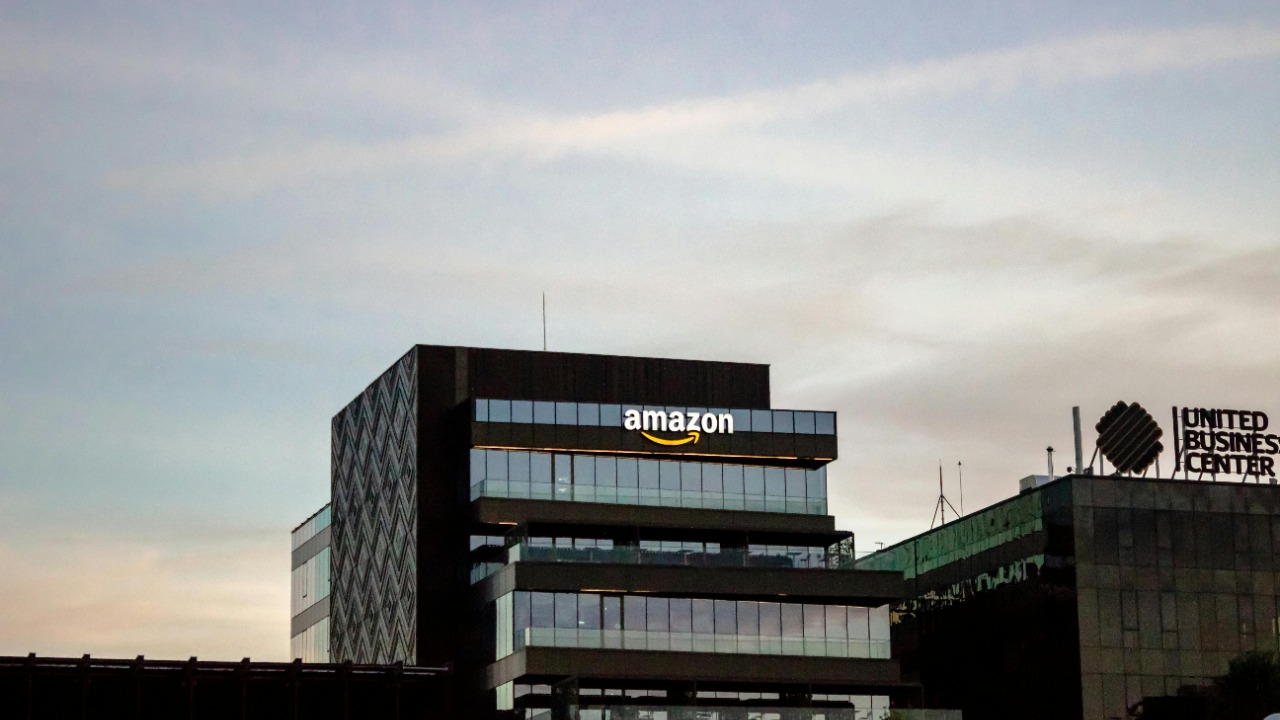
America’s logistics and tech backbone is being ripped up and rewired in real time. Amazon and UPS are cutting tens of thousands of positions, not as a short-term panic, but as part of a deeper reset in how goods move, how work is organized, and where profit really lies. The result is a brutal reshuffling of jobs that is radiating far beyond warehouses and sorting hubs into white-collar offices and local delivery routes.
What looks like a pair of corporate cost-cutting drives is, in practice, a coordinated shock to the labor market. As Amazon leans harder into automation and artificial intelligence and UPS redesigns its network around lower Amazon volumes, entire categories of work are being thinned out or erased. I see a new hierarchy emerging in which software, data, and capital-intensive infrastructure sit at the top, while traditional frontline roles are squeezed from both sides.
Amazon’s historic corporate cull and the AI bet
Amazon is in the middle of what it openly describes as a historic downsizing of its white-collar ranks. The company has confirmed plans to Conduct Biggest Layoffs in Its History, Cutting about 16,000 Corporate Roles in one wave, only a few months after another major round. Earlier in the cycle, the company disclosed that 30,000 Total Corporate Jobs Terminated In Just Four Months, including 14,000 In October, Amazon’s most aggressive white-collar retrenchment to date. For a company that only recently was still in hypergrowth mode, this is a sharp turn toward austerity at the top of the org chart.
Executives are not hiding the logic. The company is telling investors that artificial intelligence will allow it to do more with fewer people, and that the current cuts are part of a long-term shift in how decisions are made and work is done. In internal and external messaging, leaders have framed AI as a way to “reduce” manual processes and compress layers of management, a stance that aligns with the scale of the Layoffs already announced. When a single employer of Amazon’s size pulls tens of thousands of corporate roles out of the market in a matter of months, it does not just slim its own payroll, it resets expectations for what “normal” headcount looks like across the tech and retail landscape.
UPS’s 30,000-job reset and the end of the Amazon boom
UPS is now following with its own sweeping overhaul, one that is explicitly tied to a cooling relationship with its biggest e-commerce customer. The company has told investors it expects to eliminate up to 30,000 job cuts in 2026 as Amazon volume declines, a figure that would reshape its workforce and cost base. Regulatory filings cited by Jan’s Your Money vertical indicate that UPS expects to remove tens of thousands of positions from its U.S. operations, with UPS expects to eliminate up to 30,000 roles in the U.S., according to SEC filings that spell out the scale of the restructuring.
Behind the numbers is a strategic pivot away from chasing volume at any cost. Company leaders have said they are redesigning their network to prioritize profitability rather than market share, a shift that is intertwined with the decision to handle fewer Amazon packages. The plan is bundled into a sweeping initiative branded as the Network of the, which aims to automate and consolidate facilities across the country. In public comments, UPS Chief Financial Officer Brian Dykes has said that many positions will simply be left unfilled rather than cut through compulsory redundancies, underscoring that the company wants to shrink through attrition as it builds leaner operations around new technology.
How Amazon’s cuts ripple through the wider economy
When a company the size of Amazon slashes tens of thousands of jobs, the impact is not confined to its own payroll. Labor economists are already seeing a pattern in which layoffs are up and hiring is down as Amazon cuts reverberate through the economy, particularly in regions where the company has a heavy corporate or logistics footprint. Job cuts and other changes at Amazon are feeding into a broader chill in hiring, as smaller firms that depend on its ecosystem pull back on their own expansion plans.
The dynamic is particularly stark in logistics and delivery, where Amazon’s shift in strategy is directly reshaping the business models of its partners and rivals. According to Reuters, the key reason behind the UPS decision to cut tens of thousands of jobs is reducing the volumes handled for Amazon, which UPS has emphasized are less profitable than other categories of freight. That logic is captured in reporting that ties the UPS restructuring to a deliberate move away from lower-margin Amazon work, with According to Reuters, Amazon’s own decision to lay off 30,000 employees and refocus on AI-heavy operations is part of the same structural shift. In effect, the two companies are unwinding a decade-long surge in e-commerce capacity that was built for a pandemic-era peak that never became the permanent baseline.
The delivery chain pulls back from Amazon
The retrenchment is not limited to UPS. A major national chain has announced 30,000 job cuts as it pulls back from Amazon deliveries, a sign that the economics of last-mile work tied to a single dominant platform are becoming harder to justify. For years, retailers and logistics providers accepted thin margins in exchange for volume and strategic access to Amazon’s marketplace. Now, with interest rates higher and investors demanding cleaner profits, that trade-off is being revisited, and tens of thousands of workers are caught in the middle.
Inside UPS, the shift away from Amazon is being framed as part of a broader modernization of its network, not just a reaction to one customer. The UPS leadership team, including Chief Financial Officer Brian Dykes, has stressed that the company is investing in automation and data-driven routing to handle more profitable freight with fewer people. At the same time, rank-and-file workers and local managers are watching long-familiar routes shrink or disappear as Amazon volumes are rerouted to its own delivery network or alternative partners. The result is a fragmented delivery landscape in which no single employer replaces the scale of Amazon-linked work that is being withdrawn.
A labor market built around fewer, more automated jobs
What ties these developments together is a labor market that is being rebuilt around fewer, more automated roles at the center of the economy. Amazon’s leadership has been explicit that artificial intelligence will “reduce” the need for certain kinds of corporate work, and the company’s decision to cut AI’s impact into its headcount plans shows how quickly that vision is being operationalized. Reporting by Jordan Valinsky has underscored that Amazon is still one of the country’s largest private employers, behind Walmart, even after the latest cuts, which means its choices about where to deploy AI and where to keep humans in the loop will shape job quality and availability for years. The fact that these decisions are being made at the same time UPS is retooling its own network only amplifies the effect.
From my vantage point, the most striking feature of this moment is not just the scale of the layoffs, but their concentration in roles that once looked insulated from automation. Corporate staff, midlevel managers, and specialized logistics planners are all being told that software can do more of what they do, while frontline workers face a slower squeeze from attrition and network redesigns. As Jordan Valinsky and others have noted, Amazon’s AI push is not a side project, it is central to how the company now talks about its future. In that sense, the thousands of jobs being cut at Amazon and UPS are not just casualties of a tough year, they are early markers of a new equilibrium in which fewer people do more work, and the gains from that efficiency accrue unevenly across the economy.
More From TheDailyOverview
*This article was researched with the help of AI, with human editors creating the final content.

Grant Mercer covers market dynamics, business trends, and the economic forces driving growth across industries. His analysis connects macro movements with real-world implications for investors, entrepreneurs, and professionals. Through his work at The Daily Overview, Grant helps readers understand how markets function and where opportunities may emerge.