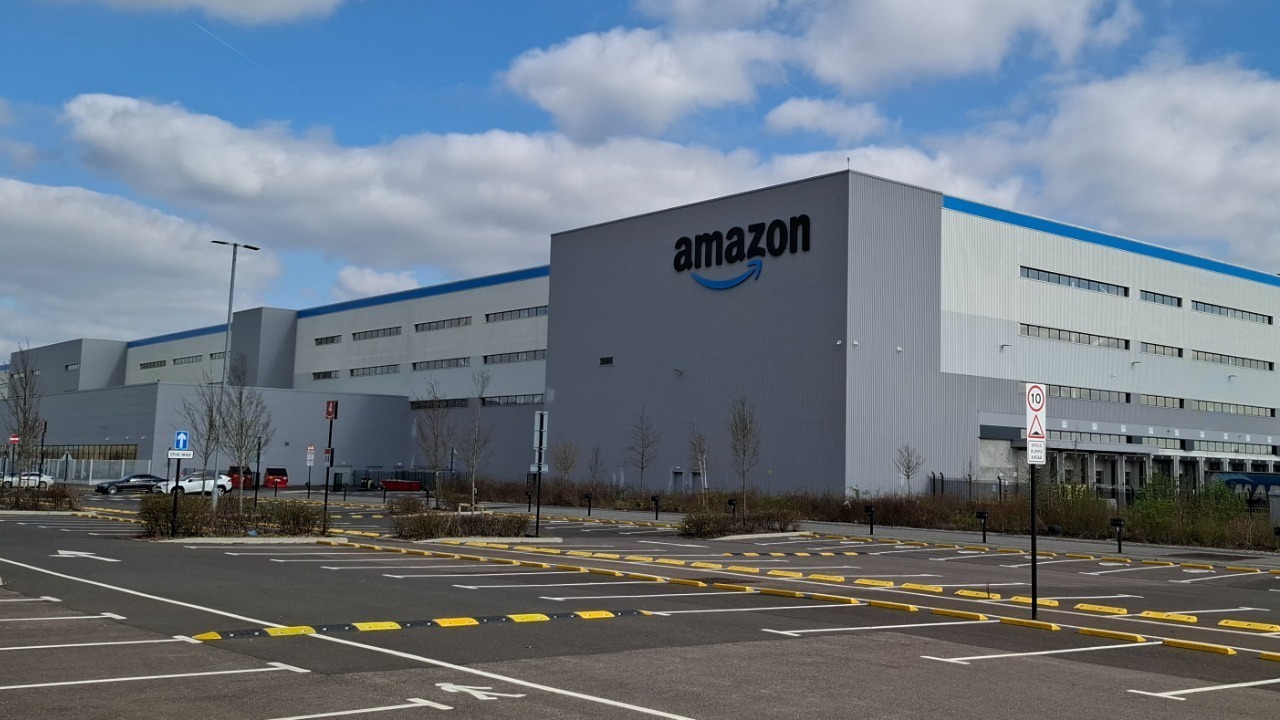
Amazon’s latest round of job cuts has reached deep into its technical ranks, eliminating nearly 2,000 engineering roles and signaling a sharper reset of the company’s ambitions in key growth areas. The reductions, which hit teams working on everything from Alexa to core retail systems, mark one of the most concentrated blows to Amazon’s engineering workforce since its broader downsizing began.
By targeting highly skilled developers and product specialists, the company is not just trimming headcount, it is reshaping which bets it wants to fund in artificial intelligence, devices, and logistics software. I see these cuts as a window into how Amazon is reprioritizing its roadmap, and as a test of how far it can push automation and efficiency without undermining the innovation engine that helped build its dominance.
Nearly 2,000 technical roles cut across key Amazon divisions
The headline figure, nearly 2,000 engineers, reflects a cluster of overlapping layoffs that have swept through Amazon’s consumer, devices, and corporate technology groups over the past several months. Internal tallies shared with staff and later reflected in regulatory disclosures show that engineering-heavy units absorbed a disproportionate share of the reductions, with software development engineers, applied scientists, and technical program managers making up the bulk of the affected roles. In several teams, managers were instructed to remove entire layers of midlevel engineers and consolidate work under smaller, more senior pods, a shift that aligns with Amazon’s broader push to streamline decision making and reduce management overhead across its sprawling tech organization, as described in internal restructuring notes cited in recent breakdowns.
The cuts did not fall evenly across the company. Consumer-facing businesses that had expanded aggressively during the pandemic, including parts of the online store, Prime benefits, and last-mile logistics technology, were told to “rebalance” their engineering investments toward projects with clearer profitability paths. That directive translated into cancellations of some experimental initiatives and the folding of others into larger platform teams, according to people familiar with the changes quoted in organizational reports. In practice, that meant engineers working on niche personalization features, regional experiments, or overlapping internal tools were among the first to see their roles eliminated, even as Amazon continued to hire selectively for core infrastructure and generative AI projects.
Alexa and devices feel the sting as Amazon narrows its AI bets
One of the most visible casualties of the engineering cuts has been the Alexa and devices organization, which had already been under scrutiny for its heavy investment and uneven monetization. Over multiple waves, Amazon trimmed hundreds of roles tied to voice assistant features, smart home integrations, and experimental hardware, according to internal headcount figures referenced in detailed coverage. Engineers who had spent years building out niche Alexa skills or region-specific capabilities were told their projects would be wound down or merged into a smaller core team focused on a narrower set of use cases, particularly shopping, media, and home automation.
At the same time, Amazon has been redirecting some of its remaining Alexa talent toward a new generation of generative AI features that aim to make the assistant more conversational and context aware. Leadership has framed the layoffs as a way to free up resources for these higher priority initiatives, a rationale echoed in internal memos cited by AI strategy analyses. I read that as a clear signal that Amazon is willing to sacrifice breadth of Alexa functionality in order to chase depth in a smaller number of AI-driven experiences, betting that a smarter, more capable assistant will matter more to customers than a long tail of lightly used skills.
Corporate restructuring and the push for “efficiency”
Beyond specific products, the layoffs are part of a broader corporate restructuring that Amazon executives have repeatedly framed as a move toward a “leaner” and more “focused” company. Internal planning documents described in efficiency-focused reporting show that senior leaders set explicit targets for reducing overlapping engineering work, consolidating platforms, and cutting back on what they viewed as duplicative services. In some cases, that meant merging separate codebases that had grown up inside different business units, then eliminating the teams that maintained the redundant systems once the consolidation was complete.
For engineers, that restructuring has translated into a more centralized model for core technologies such as payments, identity, and data analytics. Instead of each business unit owning its own stack, Amazon has been steering work toward shared services teams that support multiple lines of business, a shift that can reduce costs but also concentrates risk and decision making. People familiar with the changes, quoted in organizational analyses, described a culture where teams are now expected to justify every new service or microservice against existing internal platforms, with headcount approvals tied closely to those decisions. I see that as a classic big-company pivot: trading some local autonomy and experimentation for scale efficiencies and tighter financial control.
Impact on Amazon’s innovation pipeline and engineering culture
Cutting nearly 2,000 engineering roles inevitably raises questions about how much innovation capacity Amazon is willing to give up in exchange for lower costs. Many of the affected teams were not just maintaining legacy systems, they were experimenting with new features, testing regional pilots, or building internal tools that made other engineers more productive. Accounts from current and former employees, summarized in innovation impact reporting, describe a noticeable slowdown in the pace of new feature launches in some consumer products, as remaining engineers juggle both maintenance and greenfield work. That kind of load can lead to burnout and more conservative technical choices, which in turn can blunt the company’s appetite for risk.
At the same time, Amazon’s leadership has argued that a more disciplined approach can actually sharpen innovation by forcing teams to focus on fewer, higher impact bets. In internal Q&A sessions referenced in leadership briefings, executives pointed to the company’s history of building major businesses with relatively small, tight-knit teams, citing early Amazon Web Services and Prime Video as examples. I think the tension now is whether that narrative still holds in a company of Amazon’s current size, where dependencies are far more complex and the cost of under-resourcing a platform can ripple across dozens of products. The risk is that what looks like healthy pruning on a spreadsheet can feel, on the ground, like a loss of the experimental culture that once defined the company.
What the layoffs signal about Amazon’s long-term strategy
Viewed together, the engineering layoffs sketch a clear picture of where Amazon wants to place its biggest long-term bets. The company is pulling back from sprawling, lightly monetized experiments in areas like broad Alexa skills and some consumer-facing perks, while doubling down on generative AI, logistics optimization, and core retail and cloud infrastructure. Reporting on Amazon’s internal investment priorities, including strategy-focused coverage, highlights increased funding for large language model research, warehouse robotics, and advertising technology, even as headcount shrinks in adjacent teams. In other words, Amazon is not retreating from technology, it is concentrating it.
For the broader tech industry, Amazon’s moves reinforce a pattern that has emerged across large platforms: a willingness to cut deeply into engineering ranks in order to satisfy investors’ demands for profitability and to reallocate capital toward AI. Similar restructurings at other major firms, documented in sector-wide analyses, show that even highly skilled technical roles are no longer insulated from cyclical cost cutting. I see Amazon’s nearly 2,000 engineering layoffs as a particularly stark example of that shift, both because of the company’s historic reputation as an engineering-driven culture and because of the scale of the changes inside critical product lines. How well Amazon executes on its narrowed set of priorities, and how quickly it can rebuild trust with a rattled technical workforce, will help determine whether this round of cuts is remembered as a painful but productive reset or as the moment when one of tech’s most inventive companies started to play it too safe.
More From TheDailyOverview
- Dave Ramsey says these two simple questions show whether you’re rich or poor
- Retired But Want To Work? Try These 18 Jobs for Seniors That Pay Weekly
- IRS raises capital gains thresholds for 2026 and what’s new
- 12 ways to make $5,000 fast that actually work

Grant Mercer covers market dynamics, business trends, and the economic forces driving growth across industries. His analysis connects macro movements with real-world implications for investors, entrepreneurs, and professionals. Through his work at The Daily Overview, Grant helps readers understand how markets function and where opportunities may emerge.

