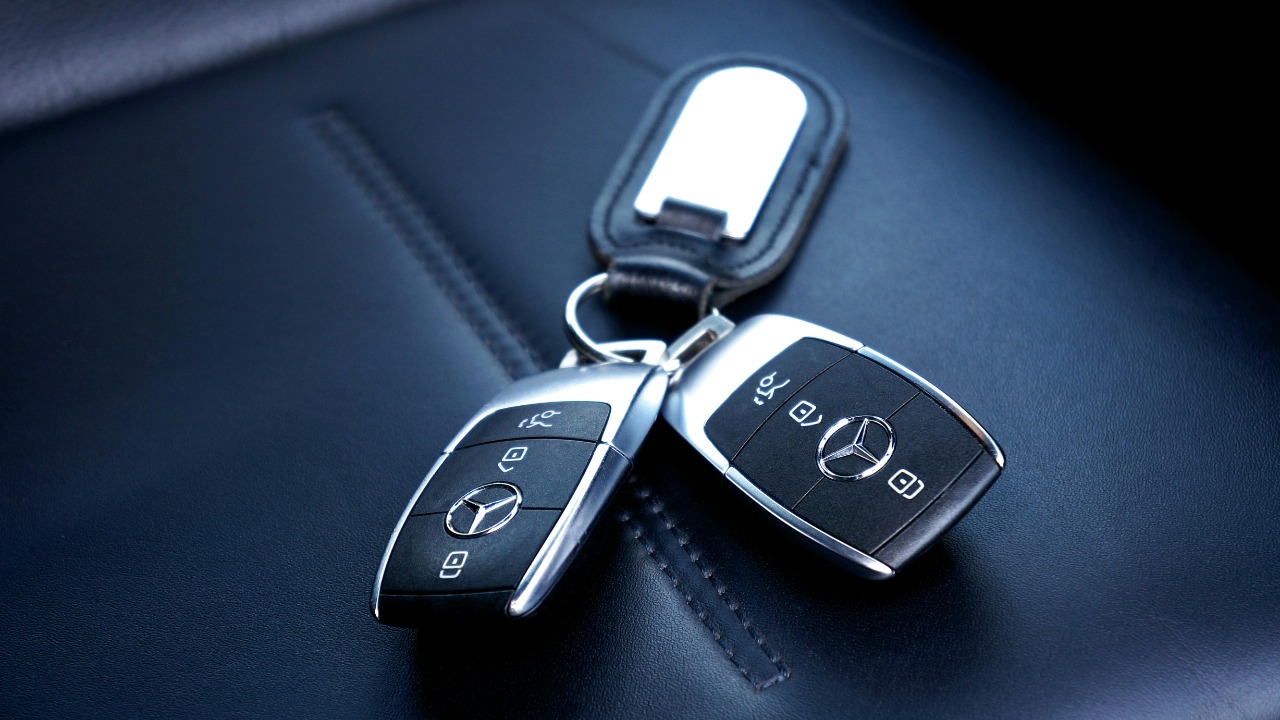
Dealerships have turned key fob programming into a quiet profit center, folding a few minutes of work into triple‑digit service bills. For many drivers, that fee is avoidable, because a surprising number of modern fobs can be paired at home with nothing more than the right sequence of button presses and a bit of patience. I want to walk through when that do‑it‑yourself route is realistic, when it is not, and how to keep the process safe and legal while you save money.
Why dealers charge so much to program a key fob
When a service advisor quotes more than one hundred dollars to “program” a key fob, the number is not plucked from thin air. Dealers invest in proprietary scan tools, software subscriptions and security credentials that let them talk to a car’s immobilizer and body control modules, and those costs are baked into every job. On top of that, many brands bundle fob programming with other line items such as diagnostics or immobilizer resets, which inflates the final bill even when the actual pairing process only takes a few minutes of technician time, a pattern that consumer advocates have flagged in broader reviews of dealer service pricing.
There is also a structural reason dealers are comfortable keeping those fees high. New‑car margins have tightened, so service departments carry more of the profit burden, and anything that can be framed as “security‑sensitive” work is easier to defend at a premium. Automakers have leaned into that framing as they roll out encrypted immobilizers and rolling‑code remotes, arguing that tighter control over keys helps curb theft and odometer fraud, a rationale that shows up in technical bulletins and in industry discussions of immobilizer systems. The result is a market where many owners assume they have no choice but to pay dealer rates, even when their particular car still supports owner‑level programming.
When DIY key fob programming is realistic
The first step is figuring out whether your vehicle actually allows owner programming of replacement fobs, because the answer varies sharply by brand and model year. Many older Ford, Lincoln and Mercury models, for example, let you add a new fob if you already have two working keys, using a sequence of ignition cycles and lock button presses that is documented in owner manuals and in independent databases of remote programming instructions. Several Toyota and Lexus models from the 2000s and early 2010s also support “onboard” programming, where you can pair a new remote by inserting and removing the key, opening and closing doors in a specific order, then holding the lock and unlock buttons together.
By contrast, many newer vehicles route all key and fob work through a secure gateway that requires dealer or locksmith credentials. Late‑model Volkswagen, Audi and BMW products, for instance, typically need an online connection to factory servers to marry a new fob to the immobilizer, a process that independent locksmiths can sometimes access through licensed tools but that is not exposed to owners. Security standards referenced in federal guidance on theft prevention have pushed more brands in that direction. In practice, that means DIY is most realistic if your car is more than a few years old, uses a traditional metal key or simple push‑button start, and has a history of published owner programming procedures, while very recent luxury models are more likely to be locked down.
How to find the right instructions for your specific car
Once I know my vehicle can be owner‑programmed, the next challenge is tracking down instructions that match my exact year, make and model. The owner’s manual is still the most reliable starting point, and many automakers now host digital copies that can be searched by keyword, including “remote,” “keyless entry” or “smart key.” When manuals are vague or omit the steps, I look to specialized databases that organize programming procedures by brand and model year, often including notes about how many working keys are required and whether the process covers only the remote buttons or the immobilizer chip as well.
Online forums and video platforms can be useful for visualizing the sequence, but they are also where misinformation creeps in, so I treat them as secondary sources rather than primary instructions. I cross‑check any user‑generated walkthrough against at least one written procedure that cites factory documentation or a professional locksmith reference. Trade groups that represent locksmiths and security professionals publish technical notes on key programming, and those can help confirm whether a given model truly supports onboard pairing or if a scan tool is required. Matching the procedure to the vehicle’s generation is critical, because a mid‑cycle refresh can change the electronics even when the body looks identical.
Step‑by‑step: pairing a replacement fob at home
Although the exact sequence varies, most owner‑programmable systems follow a similar pattern that I can adapt once I have the correct instructions in hand. Typically, I start by sitting in the driver’s seat with all doors closed, then insert the existing key into the ignition or keep the working fob inside the cabin. Many procedures require cycling the ignition from off to on several times within a short window, or pressing the start button without touching the brake, to put the car into a special programming mode. The locks may cycle or the hazard lights may flash to confirm that the vehicle is ready to learn a new remote, a behavior described in multiple sets of Toyota instructions and similar guides for domestic brands.
Once the car is in that mode, I usually have a limited time to press specific buttons on the new fob, often holding lock and unlock together, then pressing lock alone. Some systems require repeating the sequence for every remote I want the car to remember, including the ones that were already working, because entering programming mode can wipe the existing list. After exiting the mode, I test each fob from outside the vehicle, checking lock, unlock, trunk release and panic functions. Professional locksmith references on remote pairing emphasize that I should also verify the engine starts with any new key that includes an immobilizer chip, since it is possible to program the buttons without successfully pairing the transponder.
When you still need a pro, and how to avoid overpaying
Even with good instructions, there are clear situations where I am better off calling in a professional rather than fighting the electronics. If I have lost every working key, many immobilizer systems will lock down and require a full reset that only a dealer or licensed locksmith can perform, a safeguard that is documented in technical notes on anti‑theft modules. Some brands also hard‑limit the number of keys that can be added without erasing the entire memory, so if I am already at that cap, a pro will need to remove old entries and reprogram all remaining fobs in one session. In those cases, the labor charge reflects real work, not just a few button presses.
When I do need help, I have more options than the dealership’s service drive. Independent automotive locksmiths invest in the same kind of programming tools and security credentials that dealers use, and they often publish transparent price ranges for key fob replacement that undercut dealer quotes. Big‑box retailers and warehouse clubs have also moved into the space, offering cloning and programming for common fobs at kiosks and service counters, a trend documented in consumer guides to replacing car keys. I compare those options, ask for an itemized estimate that separates the cost of the fob from the programming labor, and avoid paying a premium for convenience alone.
Security, legality and smart ways to save
Programming a key fob is not just a convenience feature, it is a security function, and I treat it with the same caution I would give to a home alarm code. I only buy fobs from reputable sources that clearly state compatibility by part number, and I am wary of online marketplaces where counterfeit or recycled remotes are common, a risk that security researchers have highlighted in broader discussions of identity and device fraud. When I dispose of old keys, I keep them until I am sure they have been removed from the car’s memory, then physically destroy the transponder to prevent someone from pairing it to a different vehicle.
Legally, I also make sure I am working on a car I own or have explicit permission to service, because unauthorized key programming can cross into theft or tampering under state law. Professional locksmiths operate under licensing rules that are designed to keep that line clear, and trade associations stress verification of ownership before performing automotive security work. For owners who want to save money without cutting corners, the smartest approach is a layered one: learn whether your car supports owner programming, source a compatible fob from a trustworthy seller, follow vetted instructions carefully, and keep a backup key in a safe place so you are not forced into an emergency dealer visit at the worst possible time.
More From TheDailyOverview
- Dave Ramsey says these two simple questions show whether you’re rich or poor
- Retired But Want To Work? Try These 18 Jobs for Seniors That Pay Weekly
- IRS raises capital gains thresholds for 2026 and what’s new
- 12 ways to make $5,000 fast that actually work

Cole Whitaker focuses on the fundamentals of money management, helping readers make smarter decisions around income, spending, saving, and long-term financial stability. His writing emphasizes clarity, discipline, and practical systems that work in real life. At The Daily Overview, Cole breaks down personal finance topics into straightforward guidance readers can apply immediately.

