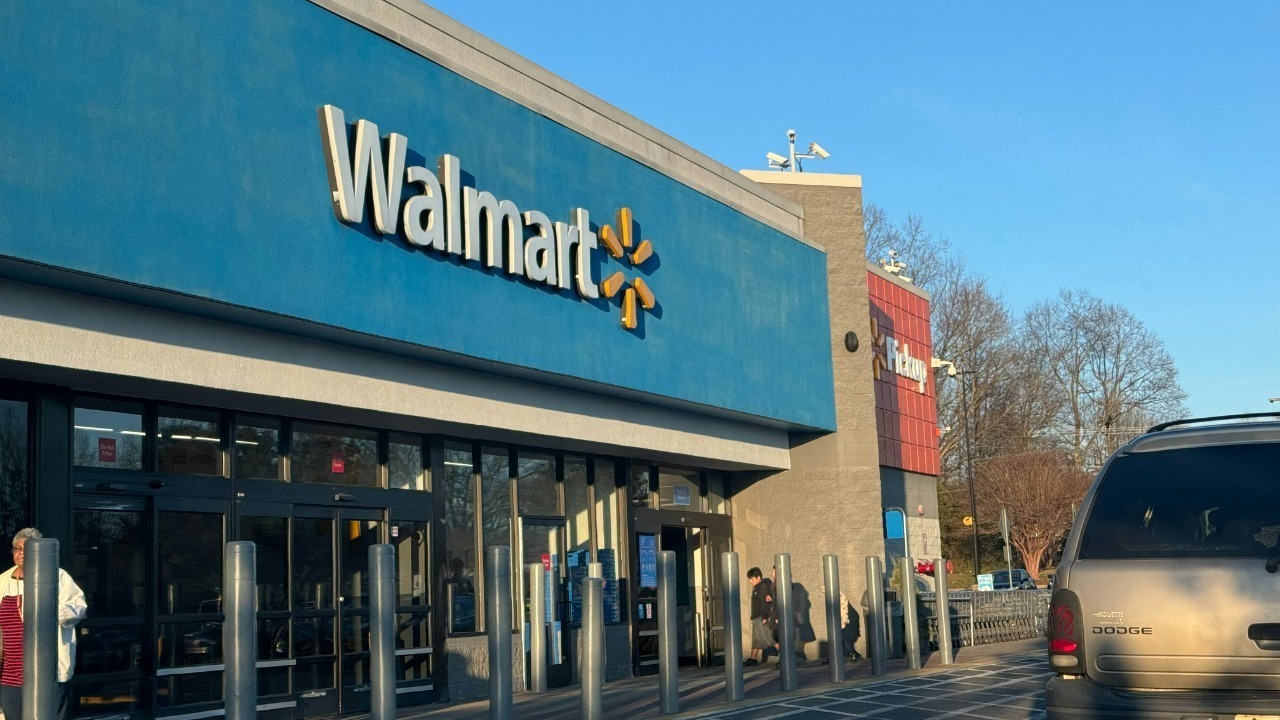
Amazon is preparing a brick‑and‑mortar swing at Walmart’s home turf, testing a vast physical megastore that fuses its online muscle with a Walmart‑style supercenter footprint. The experiment, centered on a nearly 225,000‑square‑foot site near Chicago, signals that the e‑commerce pioneer now wants to compete head‑on with Walmart’s dominance in groceries, general merchandise, and in‑person shopping. If it works, the concept could redraw how Americans think about a trip to the store.
The move also marks a new phase in Amazon’s long effort to extend its digital ecosystem into the physical world, from its core online marketplace to grocery, logistics, and last‑mile delivery. I see this megastore as a stress test of whether Amazon can finally match Walmart’s offline strengths while preserving the speed, data, and personalization that built its digital empire.
The Orland Park megastore: Amazon’s boldest physical bet yet
At the center of the experiment is a planned large‑format site in Orland Park, a suburb near Chicago, that effectively functions as Amazon’s first full‑scale answer to a Walmart supercenter. Reporting describes the project as a nearly 225,000-square-foot retail complex that blends grocery, general merchandise, and sophisticated back‑of‑house operations. In Orland Park, that method would be scaled up to an industrial level, with Amazon outlining a technology‑heavy facility designed to integrate retail, logistics, and omnichannel capabilities in one footprint.
Planning documents and local hearings indicate that In Orland Park, the site would combine a customer‑facing store with a powerful “back of house” engine for fulfillment, returns, and same‑day delivery. During planning commission hearings, During those sessions, Amazon described a technical layout that turns the store into both a shopping destination and a mini‑distribution hub, a configuration that could let it promise Walmart‑style breadth with Amazon‑style speed.
How the concept targets Walmart’s core strengths
Strategically, the Orland Park project is not subtle: it is aimed squarely at Walmart’s strongest advantages in grocery and in‑store value shopping. Analysts describe the site as a large‑format retail test near Chicago that is explicitly framed as a Big box test near Chicago and what it signals about Walmart, next moves, with Amazon planning a large‑format retail store to challenge its rival’s supercenter model. The approximately 225,000-square-foot store the retailer is planning near Chicago is described as a direct challenge to Walmart’s grocery and big‑box dominance, with fresh food, household staples, and general merchandise all under one roof.
Amazon’s own framing of its new retail strategy underscores that this is not a side project but a deliberate attempt to disrupt its biggest rival. Company materials describe a New Retail Strategy at Walmart, with the Chicago‑area big‑box store designed to blend online ordering, in‑store pickup, and potential automation. Separate analysis notes that Amazon is starting to see the consequences of having Walmart as an offline competitor and needs to find new ways to sell online products through physical channels, a pressure that helps explain why the company is now willing to invest in a Walmart‑style supercenter of its own.
Inside the tech‑heavy “supercenter” design
What sets this megastore apart from a conventional big box is the way Amazon plans to wire technology into every layer of the building. Descriptions of the project emphasize a facility that doubles as a logistics node, with extensive “back of house” operations that support same‑day delivery, returns, and click‑and‑collect services for a wide range of categories. Retail News coverage of the Chicago project highlights how back of house operations are central to the design, turning the store into a hybrid between a warehouse and a showroom.
At the front of the house, Amazon is positioning the Orland Park site as a Walmart‑style supercenter with a digital twist. Reporting describes how Amazon reveals a Walmart‑style supercenter as it doubles down on physical retail, explicitly calling the project a direct shot at Walmart‘s supercenter model while layering in Amazon’s own checkout, app integration, and fulfillment tools. Separate coverage of the megastore concept notes that What Is Amazon, New Store Concept, Amazon, Orland Park will feature a nearly 225,000-square-foot layout with distinct zones for groceries, general merchandise, and online order services, all wrapped in a design that reflects Amazon’s brand rather than Walmart’s.
Escalating rivalry as Amazon and Walmart converge
The megastore arrives at a moment when Amazon and Walmart are increasingly colliding in each other’s strongest arenas. Analysts who track both companies argue that Walmart’s rise in e‑commerce is now a real threat to Amazon’s dominance, while Amazon’s push into physical retail is a direct response to that pressure. One industry observer notes that those who adapt now will benefit as Amazon and Walmart continue to raise the bar, while those who do not adjust will find it harder to compete on price, convenience, and speed.
From Amazon’s side, the company has been steadily supersizing its rivalry with Walmart through new big‑box retail concepts and announcements that send a clear message to its brick‑and‑mortar rival. One report describes how Amazon supersizes its Walmart rivalry with a new big‑box retail concept, while another notes that Amazon Sends Clear Message, Walmart With Big as it details what the Orland Park facility will consist of. A separate analysis of Amazon’s secret move to challenge Walmart’s strength argues that Amazon is starting to see the consequences of Walmart’s offline power and is now forced to innovate in physical formats, not just online.
What this megastore means for shoppers and the wider market
For shoppers, the Orland Park experiment could compress the convenience of a Walmart supercenter and the breadth of Amazon’s website into a single trip. Coverage of Amazon’s new retail strategy explains how the company is planning a massive new big‑box store near Chicago to blend online ordering, curbside pickup, and in‑store browsing, effectively turning the store into a physical interface for Amazon’s broader ecosystem. Separate reporting on Amazon’s big‑box store plans notes that the approximately 225,000-square-foot layout is expected to make grocery a major draw for consumers, mirroring the way Walmart uses food to anchor traffic for the rest of its assortment.
For the wider market, the megastore is a signal that Amazon is no longer content to treat physical retail as a side experiment. Analysts who focus on Walmart’s response argue that Amazon’s big‑box test near Chicago and what it signals about Walmart, next moves will force the Arkansas‑based giant to accelerate its own omnichannel investments, since Amazon is planning a large‑format retail store from a position of vulnerability in physical retail but strength online. Additional coverage of Amazon’s new retail strategy takes aim at Walmart, Chicago, and notes that the company is explicitly designing the Orland Park site to disrupt its biggest rival. A separate report on Amazon supersizing its Walmart rivalry with a new big‑box retail concept explains that Now the e‑commerce giant is taking those efforts to a whole new scale, with the Orland Park store expected to open as early as late 2027 if approvals and construction stay on track.
More From TheDailyOverview

Grant Mercer covers market dynamics, business trends, and the economic forces driving growth across industries. His analysis connects macro movements with real-world implications for investors, entrepreneurs, and professionals. Through his work at The Daily Overview, Grant helps readers understand how markets function and where opportunities may emerge.