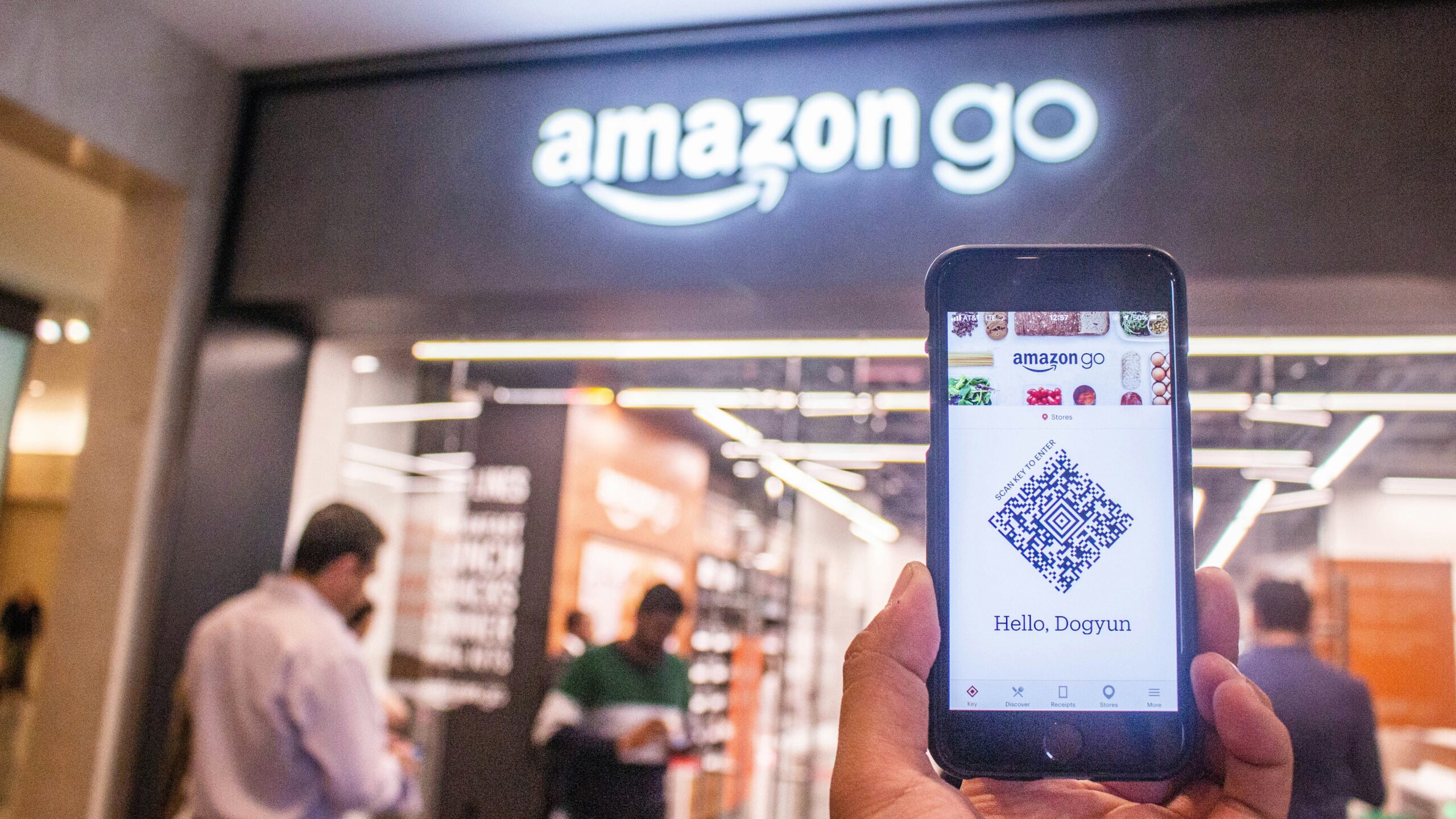
Amazon has begun warning shoppers that rising import costs will soon show up in the prices they pay at checkout, as two overlapping U.S. trade policies close off the main channels retailers and overseas sellers once used to keep goods cheap. A 10% global tariff taking effect on February 24, 2026, combined with the already-enforced closure of the de minimis import loophole, means the era of duty-free bargains on low-cost foreign merchandise is over. For consumers who rely on the platform for affordable imports, the message from the country’s largest online retailer is blunt: price hikes are coming, and there is no workaround.
Two Trade Walls Hit at Once
The pricing pressure Amazon is flagging does not stem from a single policy change. It results from two distinct federal actions converging on the same supply chains at roughly the same time. The first blow landed last summer, when U.S. Customs and Border Protection began enforcing the end of the de minimis loophole on August 29, 2025, a move the agency framed as part of broader efforts to secure borders and tighten trade enforcement in its official announcement. That rule had allowed shipments valued under $800 to enter the country without duties or formal customs processing, a provision that budget e-commerce sellers, particularly those shipping directly from factories in China, exploited to undercut domestic competitors on price.
The second wall is the 10% global tariff, which carries a 150‑day clock and applies broadly to imports regardless of origin. Together, these measures eliminate the two primary cost advantages that kept certain Amazon listings artificially low: duty-free entry for small parcels and a baseline tariff rate of zero on goods from most trading partners. The combined effect is that virtually every imported product sold on the platform now faces at least one new layer of government-imposed cost, and many face both. As those costs work their way through shipping contracts, warehouse fees, and marketplace commissions, the low headline prices that drew shoppers to foreign-made goods are being steadily bid up.
Why the De Minimis Closure Hits Hardest
Of the two policy shifts, the de minimis closure may carry the sharper sting for everyday shoppers. For years, the provision acted as an open door for direct-to-consumer shipments from overseas warehouses. Sellers on Amazon and rival platforms structured orders so that individual packages fell below the $800 threshold, sidestepping duties that domestic importers and large retailers had to pay. By leaning on fragmented, small-parcel shipments instead of consolidated freight, they could move huge volumes of low-value goods into the United States with minimal oversight and almost no tariff burden, turning customs rules into a competitive weapon against brick-and-mortar chains and U.S.-based brands.
CBP’s decision to enforce the executive order ending that loophole effectively shut down an entire logistics model built around tariff avoidance. The practical result for shoppers is straightforward. Products that previously arrived from overseas at rock-bottom prices, from phone accessories and small electronics to clothing and household goods, now pass through the same customs process as bulk commercial shipments. Sellers either absorb duties or pass them along, and for thin-margin businesses operating on pennies per unit, there is little room to swallow new costs. Amazon’s warning to customers reflects the reality that its third-party marketplace, which accounts for the majority of units sold on the platform, is heavily exposed to this change. Sellers who built their businesses on the de minimis exemption face a binary choice: raise prices or exit the market, with both outcomes reducing the appeal of ultra-cheap imports.
The 10% Tariff Adds a Second Cost Layer
Even products that never relied on the de minimis loophole face fresh cost pressure from the global tariff. The levy applies at a flat 10% rate and is not limited to specific countries or product categories, functioning as an across-the-board surcharge on imported merchandise. For large-volume importers who already paid duties under existing trade agreements, this amounts to an additional tax stacked on top of whatever rates were already in place. Amazon, which sources private-label goods and operates its own import pipeline alongside its third-party marketplace, cannot insulate its own branded products from the increase any more than its independent sellers can, particularly in categories like home goods, apparel, and consumer electronics where foreign sourcing dominates.
The tariff’s 150-day window introduces a layer of uncertainty that complicates pricing decisions. Retailers typically plan inventory purchases and set prices months in advance, locking in contracts for manufacturing, freight, and fulfillment well before goods reach U.S. warehouses. A tariff with a defined but relatively short duration forces sellers to guess whether the levy will be extended, increased, or allowed to expire, and to decide how much of that risk to build into their price tags. That uncertainty tends to push prices higher rather than lower, because businesses would rather overestimate future costs than be caught underpricing inventory. Even if the tariff lapses after 150 days, prices may not snap back immediately, since inventory imported at the higher cost will still need to be sold through, and retailers may be reluctant to cut prices sharply if consumers have already adjusted to a new, higher baseline.
Domestic Sourcing Shift and Shrinking Selection
One consequence that has received less attention is how these twin policies may reshape what shoppers actually find when they search Amazon. Sellers who depended on cheap overseas manufacturing face a decision about whether to absorb higher import costs, find domestic suppliers, or simply discontinue certain product lines. For low-margin goods, the math often does not work once duties are added. A $12 phone case shipped directly from a factory overseas was viable under de minimis rules, with shipping and fulfillment optimized around ultra-low costs. With standard customs processing, duties, and a 10% tariff layered on top, that same case might need to retail for $18 or more, a price point where domestic or near-shore alternatives already compete and where impulse purchases become less frequent.
This dynamic could accelerate a shift toward U.S.-based sourcing for some product categories, but that shift comes with trade-offs. Domestic manufacturing capacity for consumer goods is limited, and scaling it takes years, not months, especially in labor-intensive sectors like apparel and small accessories. In the near term, the more likely outcome is reduced product variety. Categories that thrived on ultra-low-cost imports, such as generic electronics accessories, fast fashion, and disposable household items, may thin out as sellers who cannot absorb the new costs exit the platform or consolidate around a smaller set of higher-priced offerings. Shoppers accustomed to choosing from dozens of near-identical listings at bargain prices will find fewer options, and the remaining ones will cost more, narrowing the long tail of obscure brands that has defined the Amazon experience for a decade.
What This Means for Shoppers Right Now
Amazon’s warning is notable not because price increases on imported goods are surprising, but because the company is saying the quiet part out loud. Large retailers typically absorb cost shocks silently, adjusting prices incrementally and hoping consumers do not notice. By flagging the issue directly, Amazon is signaling that the magnitude of these changes is too large to hide in normal pricing adjustments and that the impact will be broad rather than confined to a few niche categories. The company is effectively managing expectations ahead of what it sees as visible, marketplace-wide price inflation, preparing shoppers for the sticker shock that will accompany new shipments arriving under the revised trade regime.
For consumers, the practical takeaway is that the window for buying imported goods at pre-tariff prices is closing fast. Items already in U.S. warehouses may still reflect older cost structures, and some sellers will try short-term promotions to clear inventory purchased before the new rules fully bite. Over the coming months, however, the combination of de minimis enforcement and the 10% tariff will work its way through Amazon’s catalog, lifting prices on everything from no-name gadgets to established foreign brands. Shoppers who rely on the platform for budget essentials will feel the squeeze most acutely, and while some may find relief in domestic alternatives or secondhand markets, the overarching trend is clear: the era of frictionless, duty-free imports delivered to American doorsteps at rock-bottom prices is ending, and the new normal will be higher costs, slimmer choices, and fewer ways to avoid the impact of trade policy at the checkout screen.
More From The Daily Overview
*This article was researched with the help of AI, with human editors creating the final content.

Grant Mercer covers market dynamics, business trends, and the economic forces driving growth across industries. His analysis connects macro movements with real-world implications for investors, entrepreneurs, and professionals. Through his work at The Daily Overview, Grant helps readers understand how markets function and where opportunities may emerge.

