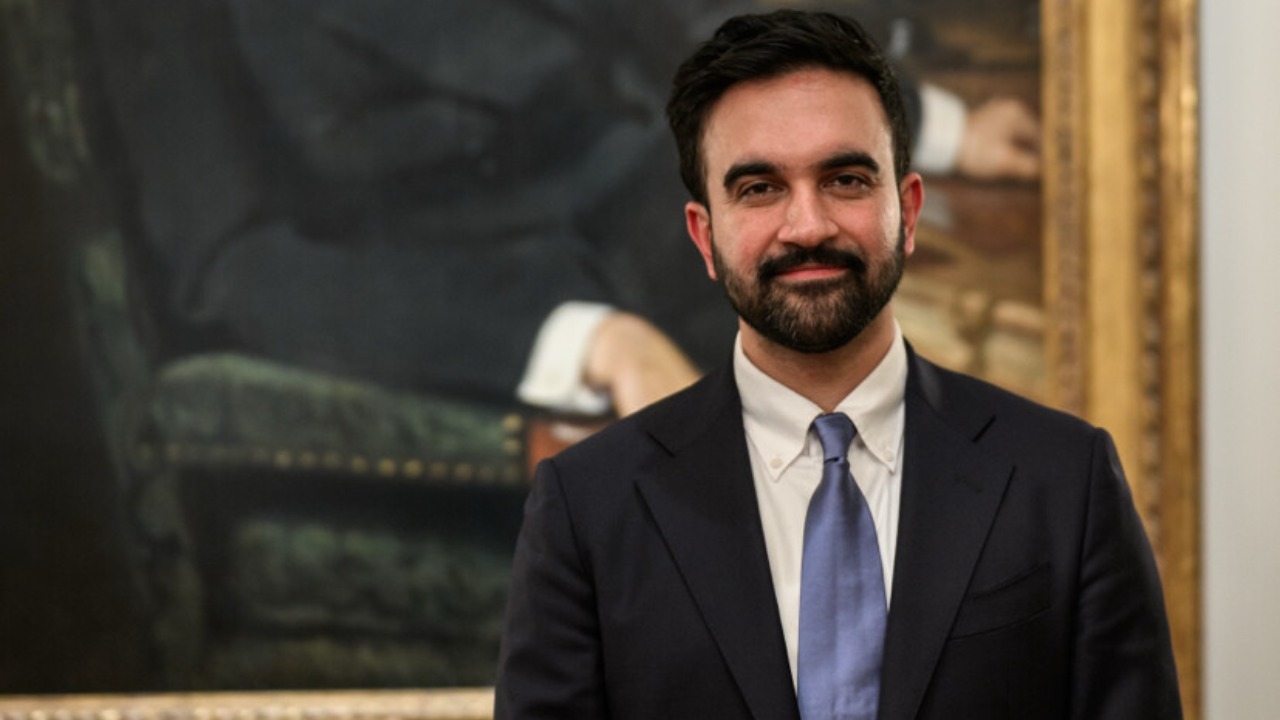
New York City Mayor Zohran Mamdani set off a sharp political fight when he released a preliminary Fiscal Year 2027 budget projecting a $5.4 billion gap and warning of a 9.5% property tax rate increase if Albany does not grant the city new revenue tools. The proposal, which Mamdani has called a “last resort,” has drawn sharp opposition from Republicans, Democrats, and homeowners alike, while giving Republicans a ready-made attack line ahead of upcoming elections.
A $5.4 Billion Gap and a Conditional Tax Hike
The Fiscal Year 2027 preliminary budget that Mamdani released projects a multibillion-dollar gap after revisions spanning FY2026 and FY2027. To close that gap without new state revenue authority, the plan assumes a 9.5% property tax rate increase that would generate about $3.7 billion in FY2027, alongside $980 million drawn from the city’s Rainy Day Reserve for the current fiscal year. Mamdani has been explicit that he does not want the property tax hike to happen, arguing that the existing system already burdens working- and middle-class homeowners while favoring some higher-value properties. In budget remarks, he framed the threatened increase as a way to pressure Gov. Kathy Hochul and state lawmakers into approving higher levies on the wealthiest New Yorkers and profitable corporations instead of relying on what he calls a regressive local tax.
That framing has not convinced many of his natural allies. Democrats on the City Council broke with the mayor in the days after the proposal surfaced, with several members calling a 9.5% increase a nonstarter and urging him to find alternative savings or revenue options. Gov. Hochul also distanced herself from the proposal, saying she does not support the property tax hike. New York State Comptroller Thomas DiNapoli, meanwhile, said the city’s preliminary budget relies on the rate increase and warned of risks tied to revenue assumptions in his statement on the plan. The city’s total property market value stands at $1.659 trillion, up 5.4% year over year, according to the NYC Department of Finance’s tentative assessment roll, meaning even a single-digit rate bump would ripple across a massive tax base and show up quickly in homeowners’ bills. With the final budget not due until June 30, the months ahead will test whether Mamdani’s gambit pressures Albany into action or simply leaves him isolated.
Progressive Leverage or Political Misfire?
Mamdani has tried to cast the standoff as a stark choice between raising taxes on millionaires and billionaires or hiking property tax bills on working families. In his budget presentation, he argued that Albany has repeatedly blocked the city from pursuing more progressive options, and he urged lawmakers to authorize new high-end brackets and surcharges on lucrative corporate sectors. A detailed transcript of his remarks shows him warning that without such tools, local leaders are left to balance the books with blunt instruments that deepen inequality. He has also pointed to rising costs for housing, health care, and transit as reasons to protect lower- and middle-income residents from further property tax pressure while asking more of those at the very top.
Outside City Hall, progressive advocates have largely cheered the push for a wealth tax but are split on the wisdom of tying it so directly to a property tax threat. Reporting in one national outlet describes left-leaning organizers praising Mamdani for forcing a debate over how much the richest New Yorkers should contribute, even as some worry the strategy could backfire if Albany calls his bluff. Critics on the left say the mayor risks normalizing the idea of steep property tax hikes, while moderates contend that floating such an increase at all unnerves homeowners and small landlords. The resulting coalition map is unusual: affluent residents wary of a wealth tax find themselves aligned with outer-borough homeowners alarmed by their potential bills, while some progressives reluctantly defend a maneuver they see as necessary brinkmanship to change the state’s tax structure.
GOP Seizes on Outer-Borough Backlash
Republicans wasted little time converting the property tax fight into a campaign weapon. New York’s House GOP delegation sent a letter to Hochul demanding a meeting and sharply criticizing the mayor’s plan, arguing that it proves Democrats are out of touch with middle-class concerns. National Republican figures have folded the issue into broader messaging about inflation and affordability, portraying Mamdani’s approach as emblematic of progressive mismanagement. The political logic is straightforward: property taxes hit homeowners directly, and Republicans argue that many of the city’s most tax-sensitive districts sit in the outer boroughs and nearby suburbs where affordability politics have been shifting in recent cycles. By highlighting specific neighborhoods where monthly mortgage and tax payments are already tight, Republicans hope to galvanize voters who might otherwise tune out abstract debates over state revenue authority.
Democrats are keenly aware of the risk. Party strategists worry that even if the 9.5% hike never takes effect, the headline alone could linger in mailers, television spots, and social media clips. A detailed account in one major newspaper notes that Mamdani has repeatedly stressed the increase is not his first choice, but that nuance may be difficult to convey in a polarized media environment. If Albany ultimately grants some of the new revenue tools he wants, the mayor could claim vindication and argue that his hardball tactics protected homeowners from even higher bills down the line. If not, he will face an excruciating decision between following through on a threat that could damage his party and retreating from a stance he framed as necessary to secure a fairer tax system. Either way, the episode has already reshaped the city’s budget debate and set the contours of a high-stakes fight over who pays for New York’s future.
More From The Daily Overview
*This article was researched with the help of AI, with human editors creating the final content.

Julian Harrow specializes in taxation, IRS rules, and compliance strategy. His work helps readers navigate complex tax codes, deadlines, and reporting requirements while identifying opportunities for efficiency and risk reduction. At The Daily Overview, Julian breaks down tax-related topics with precision and clarity, making a traditionally dense subject easier to understand.

