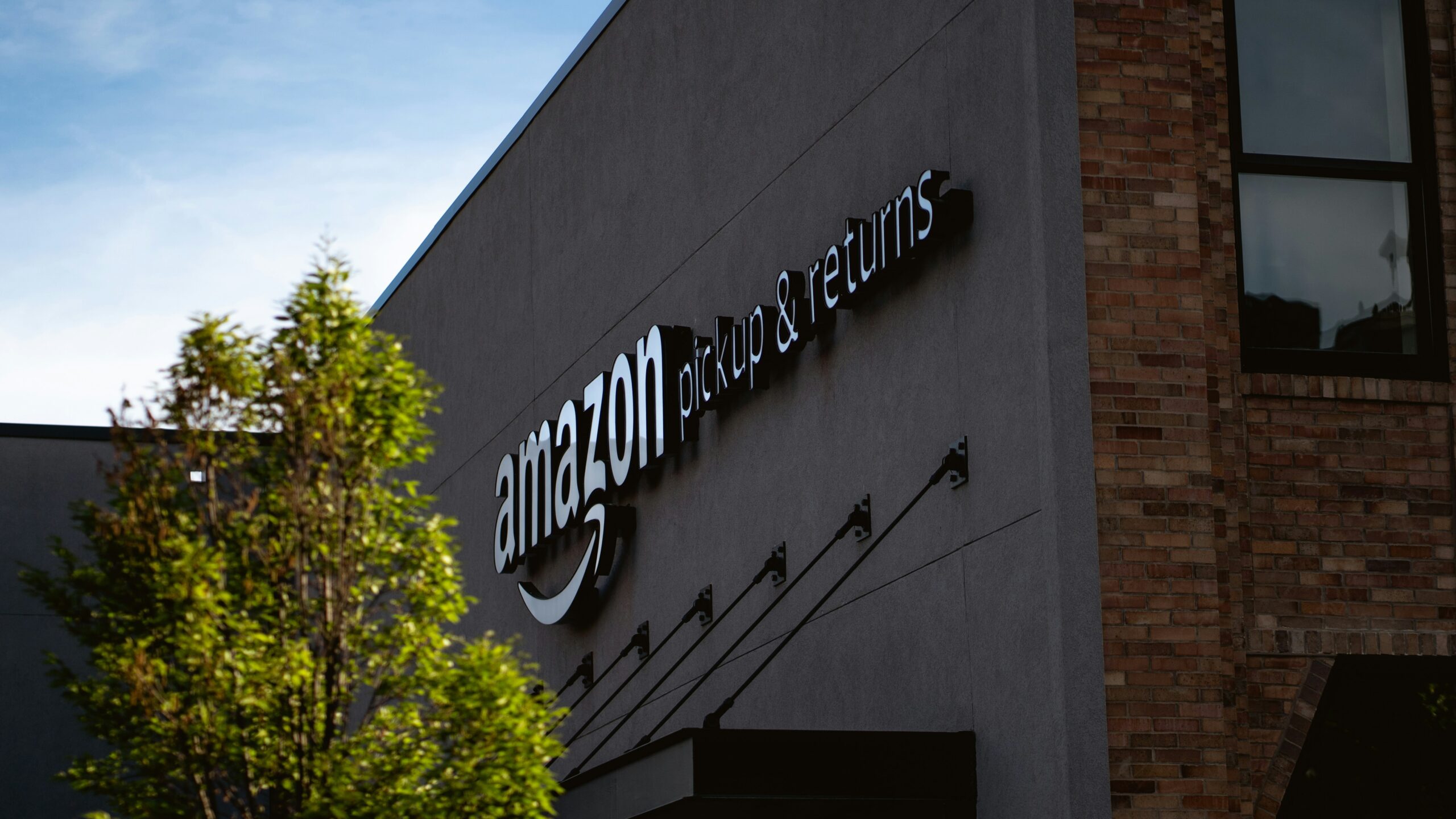
Amazon is funneling approximately $12 billion into two data center campuses in Louisiana’s Caddo and Bossier parishes, with construction set to begin in the coming weeks. The deal, built by developer STACK Infrastructure, carries promises of up to 1,500 construction jobs and 540 permanent positions, but its real significance lies in the accountability framework wrapped around the agreement. Both the developer and the local utility have made explicit commitments that infrastructure costs will not fall on existing ratepayers, a pledge now being tested against federal regulators’ growing scrutiny of how Big Tech’s power-hungry facilities affect electricity consumers.
State officials have cast the development as a cornerstone of a broader digital-economy push, emphasizing that the two campuses will anchor long-term cloud and artificial intelligence investments rather than a single, one-off facility. In its announcement that Amazon had selected Louisiana for these campuses, the state’s economic development agency highlighted the plan as one of the largest capital investments in the region’s history and a catalyst for related technology and construction work over the next decade. That framing raises the stakes around whether the economic benefits, jobs, and tax base expansion ultimately outweigh the public concessions and utility system impacts required to host such energy-intensive operations.
Who Pays for Water, Power, and Roads
The central question for residents of northwest Louisiana is straightforward: will this project cost them anything? Two separate statements offer overlapping but slightly different answers. STACK Infrastructure stated it will fund all infrastructure costs needed for the campuses, including water, wastewater, and electrical upgrades. Separately, Southwestern Electric Power Company said that all costs associated with new facilities will be fully covered by Amazon and not passed to existing customers. The two pledges point in the same direction, but they name different entities as the responsible party. Whether STACK or Amazon ultimately writes the checks, the public record now contains on-the-record commitments that local advocates can hold up if utility bills rise.
SWEPCO also framed the project as a net positive for grid reliability, stating that the infrastructure investments required to serve these campuses will strengthen the electric grid, enhance reliability, and help drive targeted improvements across its system. That claim carries weight only if the cost-shielding promise holds. Federal regulators have already flagged the tension. In a separate proceeding involving PECO Energy Company and Amazon Data Services, FERC Commissioner Chang issued a concurrence that explicitly raised concerns about consumer-protection and rate impacts from what the commission called discrete and significant load additions. Louisiana’s deal is not the same docket, but the FERC language signals that regulators nationally are watching how large data center loads ripple through utility systems.
Incentives Tied to Wages, Not Just Headcount
Louisiana did not win this project on geography alone. The state assembled an incentives package that includes its LED FastStart workforce training program and, critically, the High-Impact Jobs program. HIP grants are not blanket giveaways. Eligibility requires that jobs pay wages above the parish average, and the grant rate is either 18% or 22% of qualifying wages depending on how far above that threshold the pay falls, according to Louisiana Economic Development. That structure ties public dollars directly to wage quality rather than raw job counts, a design that in theory prevents a company from collecting subsidies while staffing positions at median or below-median pay.
The legal architecture extends further. Act 730, originally filed as HB827 in the Louisiana Legislature, establishes the basis for a data center sales and use tax rebate. The exact dollar value of the combined incentives package has not been publicly detailed in the primary releases, which means residents and watchdog groups cannot yet calculate the full public cost of attracting the project. That gap matters. The 540 direct jobs and an estimated 1,700 indirect jobs cited by state officials represent real economic activity, but without transparent incentive totals, it is impossible to measure the per-job cost to taxpayers or to compare this agreement with other large-scale industrial or tech deals the state has pursued.
More From The Daily Overview
*This article was researched with the help of AI, with human editors creating the final content.

Grant Mercer covers market dynamics, business trends, and the economic forces driving growth across industries. His analysis connects macro movements with real-world implications for investors, entrepreneurs, and professionals. Through his work at The Daily Overview, Grant helps readers understand how markets function and where opportunities may emerge.

