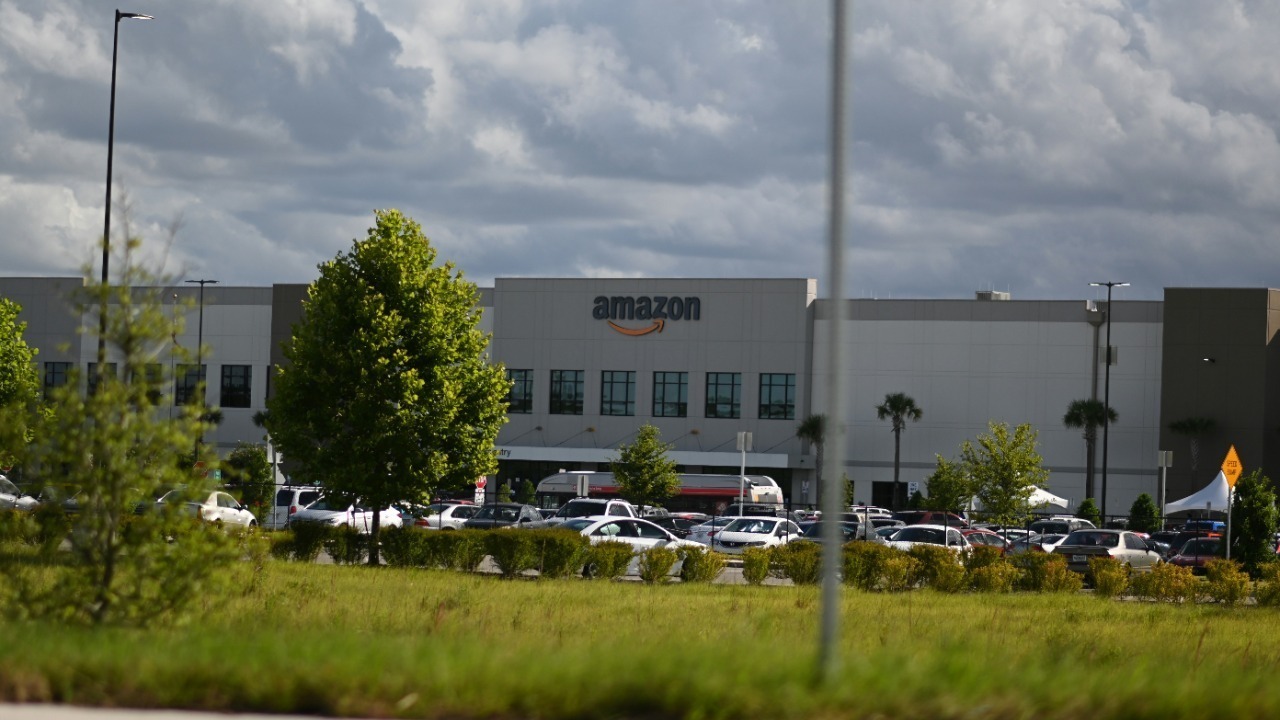
Orland Park’s Village Board gave the green light to a roughly 230,000-square-foot Amazon retail store on Jan. 19, 2026, making the Chicago suburb home to what officials call a first-of-its-kind brick-and-mortar concept for the e-commerce giant. The approval has drawn sharp criticism from local shoppers who worry the massive store will choke traffic on already busy roads and disrupt the character of the area. The project sits at the intersection of Amazon’s growing appetite for physical retail and a community caught off guard by the sheer scale of what is coming.
What Orland Park Just Approved
The one-story retail facility will rise at the corner of 159th Street and LaGrange Road, a high-traffic commercial corridor in Orland Park, Illinois. The Village Board approval at its Jan. 19 meeting confirmed the store at approximately 230,000 square feet will be open to the public and is explicitly not a warehouse or distribution center. That distinction matters because it signals Amazon’s intent to compete directly with big-box retailers on their own turf rather than simply expanding its logistics network, and it positions the site as a daily shopping destination rather than an out-of-sight industrial facility.
The site address is 9600 159th St., and the store will carry general merchandise and groceries, blending categories that typically require separate trips to different stores. For context, 230,000 square feet is larger than a typical Walmart Supercenter footprint, which generally runs between 150,000 and 180,000 square feet, meaning the building will dominate its corner of the intersection both visually and in terms of activity. Placing that kind of retail mass at one of the south suburbs’ busiest crossroads is the core reason residents are pushing back, as they imagine an almost mall-like draw squeezed into a single big-box shell.
Why Shoppers Are Pushing Back Hard
The backlash has been swift and vocal. Social media threads and local comment sections filled with complaints almost immediately after news of the approval spread, with residents sharing photos of existing backups on 159th Street to illustrate their fears. “This will be a mess” became a recurring refrain among shoppers who already deal with congestion along 159th, particularly during weekends and holiday seasons when nearby shopping centers are at their busiest. The concern is straightforward: a store of this size, selling groceries alongside general merchandise, will generate a constant stream of vehicle traffic that existing road infrastructure was never designed to absorb, potentially turning routine errands into gridlock marathons.
Residents are not simply opposed to Amazon itself. Many acknowledge the economic benefits a major retailer can bring and say they already rely on the company’s delivery services. Their frustration centers on the gap between the project’s scale and the lack of publicly available traffic mitigation plans. No primary-source traffic impact study has surfaced in municipal records tied to the approval, and that absence fuels suspicion that the village prioritized the deal over the daily experience of people who live and commute nearby. Without concrete data showing how thousands of additional daily car trips will be managed, through turn lanes, signal timing changes, or access redesign, the promise of jobs and tax revenue rings hollow for those who expect to sit in the resulting backups.
Amazon’s Broader Physical Retail Ambitions
The Orland Park store is not an isolated experiment. Amazon has been steadily expanding its physical retail presence, and its brick-and-mortar operations remain a key part of the overall business even as its technology-focused units drive growth. The grocery category is the clearest battleground. Amazon already operates Whole Foods and Amazon Fresh locations, but a 230,000-square-foot store combining groceries with general merchandise represents a different competitive posture, one aimed squarely at Walmart’s suburban strongholds and designed to capture a household’s full weekly spend under a single roof.
What makes this project distinct from Amazon’s earlier forays into physical retail is the sheer ambition of the format. Amazon Go stores are small and urban, aimed at quick trips and grab-and-go convenience. Whole Foods caters to a specific, often higher-income demographic, while Amazon Fresh locations are mid-sized and focused primarily on groceries. A store this large, selling everything from paper towels to produce and potentially electronics or apparel in one continuous floorplate, suggests Amazon is testing whether its brand loyalty and logistics advantages can translate into a full-scale department store and hypermarket experience. If the Orland Park location performs well, it could become the template for similar stores in suburban markets across the country, reshaping expectations for how digital-first retailers show up in physical neighborhoods.
Economic Promise vs. Quality of Life
Local officials have framed the project as a win for the community. When Amazon initially chose Orland Park for the development, the mayor positioned it as an opportunity to bring innovative retail to the suburb and to reinforce its status as a regional shopping hub. The construction phase alone is expected to generate significant temporary employment for contractors and trades, and the finished store would create permanent positions in a region that, like many suburban areas, is always looking for ways to strengthen its commercial tax base and keep sales tax dollars from leaking to neighboring municipalities or online-only transactions.
But the economic argument has a blind spot that residents and some local business owners are quick to highlight. Large retail developments in suburban settings often shift spending rather than create it, especially when they sit in already-developed corridors. Shoppers who currently visit local grocery stores, hardware shops, and department stores may simply redirect those dollars to Amazon’s new location, attracted by one-stop convenience and potential integration with Prime benefits. Small and mid-sized retailers along 159th Street and LaGrange Road could see foot traffic decline, particularly if Amazon uses aggressive pricing, in-store promotions, or app-based incentives to pull customers away. The net economic effect for Orland Park depends heavily on whether the store attracts new spending from outside the immediate area (drawing shoppers from farther south or from communities that currently bypass Orland Park) or merely cannibalizes existing local commerce while concentrating power in a single corporate tenant.
What Happens Next for the Project
The Village Board’s approval does not mean construction begins immediately or that all design decisions are locked in. An upcoming Plan Commission meeting is expected to address additional details of the development, including site plans, access points, parking layout, and operational specifics such as delivery timing and loading dock placement. That meeting represents the next formal opportunity for residents to voice concerns on the record and press for answers about traffic, environmental impact, stormwater management, and any infrastructure upgrades that might accompany the project. Whether those sessions produce meaningful concessions, such as turn-lane additions, sidewalk improvements, or restrictions on overnight truck activity, or simply affirm the existing plan will shape public sentiment going forward.
Amazon, for its part, has not released detailed public statements about the store’s operational model, staffing timeline, or technology features, leaving neighbors to speculate about everything from automated checkout to how returns will be handled. The company’s track record with physical retail has been uneven: it shuttered its Amazon 4-Star and Amazon Books chains in 2022 after they failed to gain traction, even as its grocery ambitions continued to evolve. The Orland Park concept appears to be a bet that combining Amazon’s digital ecosystem with a vast physical footprint can succeed where smaller, more specialized formats struggled. For residents, the coming months will be a test of how much influence they have over the fine print of that experiment, and whether the promised benefits can be secured without sacrificing the everyday livability of the streets that surround it.
More From The Daily Overview
*This article was researched with the help of AI, with human editors creating the final content.

Grant Mercer covers market dynamics, business trends, and the economic forces driving growth across industries. His analysis connects macro movements with real-world implications for investors, entrepreneurs, and professionals. Through his work at The Daily Overview, Grant helps readers understand how markets function and where opportunities may emerge.

