As the U.S. faces an economic slowdown, Americans are increasingly prioritizing self-care amid declining well-being. Surveys reveal a notable rise in this trend, with many opting to focus on personal wellness over extravagant celebrations. Economic uncertainty in 2025 has led U.S. travelers to scale back trips, reducing spending on vacations and holidays. Additionally, concerns over potential tariffs are causing Americans to worry about holiday shopping costs, prompting them to hunt for discounts and slow down bookings for summer travel.
Economic Pressures Fueling Holiday Adjustments
The current economic climate is prompting Americans to rethink their holiday spending priorities. With well-being on the decline, many are choosing to allocate resources toward essential self-care rather than lavish celebrations. This shift reflects a broader trend where individuals are focusing on maintaining mental and physical health during challenging times. The economic uncertainty of 2025 has further exacerbated this trend, as people are increasingly cautious about their financial commitments.
Economic slowdowns have led to scaled-back plans for travel and gatherings. Many Americans are opting for smaller, more intimate celebrations that emphasize meaningful connections over material excess. This adjustment is not only a response to financial constraints but also a reflection of changing values, where personal well-being takes precedence over traditional holiday extravagance. Concerns over potential tariffs further complicate holiday planning, as these could increase the costs of imported goods, directly impacting shopping budgets. According to AOL, these worries are driving consumers to reconsider their purchasing strategies.
Travel Plans Shrink Amid Rising Costs
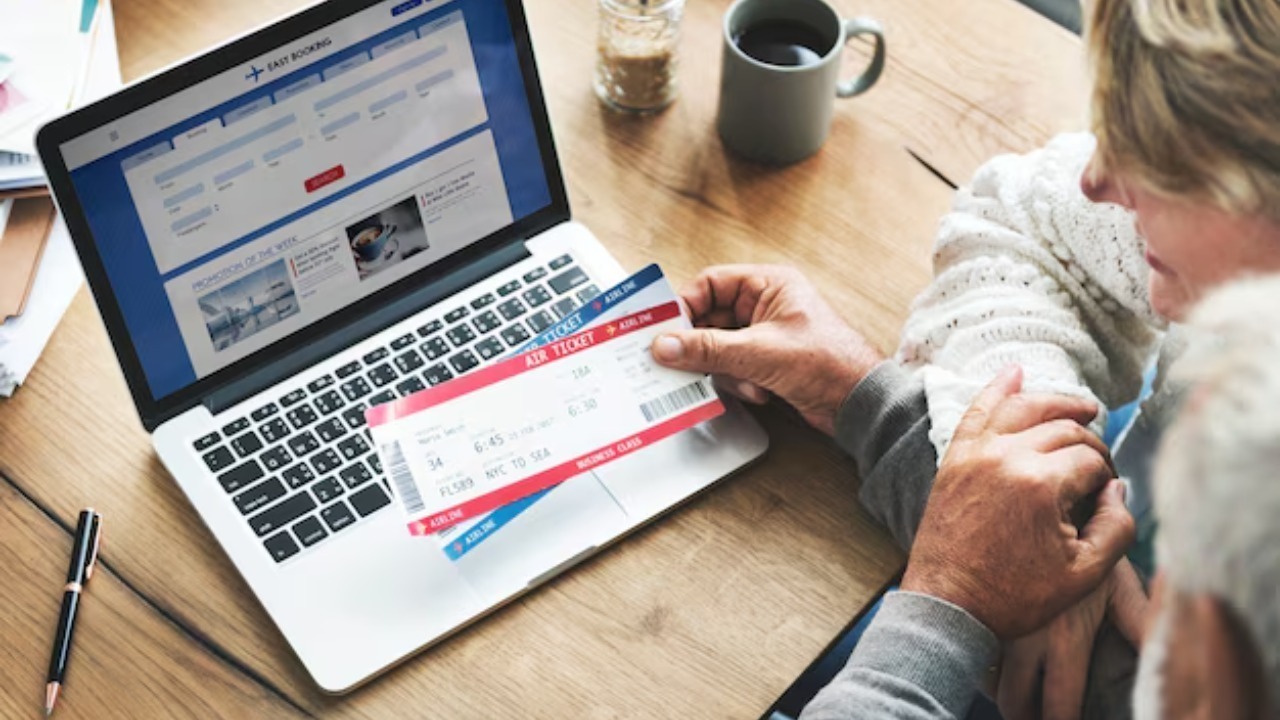
U.S. travelers are responding to economic pressures by reducing the duration and frequency of their trips, particularly those related to holidays. This trend is evident as many choose to cut back on travel expenses, opting for shorter trips or even canceling plans altogether. The focus has shifted towards more affordable travel options, such as domestic destinations or staycations, which allow families to enjoy time together without the financial burden of long-distance travel.
The slowdown in summer travel bookings, noted on June 3, 2025, highlights this cautious approach. Many Americans are delaying reservations in hopes of finding better deals, reflecting a broader pattern of discount hunting amid rising costs. According to Reuters, this behavior underscores the financial strain felt by consumers, who are increasingly mindful of their spending. As a result, families are exploring alternatives that fit within tighter budgets, such as local attractions or home-based activities.
Shifting Focus to Self-Care and Essentials

Survey data indicates a growing number of Americans are turning to self-care practices as a response to declining well-being. This shift is evident in holiday spending patterns, where budgets are being reallocated from gifts and parties to personal wellness. According to CivicScience, this trend is reshaping how individuals approach the holiday season, with a focus on low-cost, restorative activities that promote mental health.
For many, this means choosing activities that offer relaxation and rejuvenation over traditional large-scale events. Examples include spending time in nature, engaging in mindfulness practices, or participating in community service. These choices reflect a broader societal shift towards valuing experiences that enhance well-being over material possessions. Consumer stories illustrate the trade-offs being made, as individuals prioritize mental health maintenance during economic strain, often finding creative ways to celebrate without overspending.
Strategies for Smarter Holiday Shopping

As consumers brace for potential price hikes, discount-hunting behaviors are becoming more prevalent in holiday preparations. Many are planning their shopping strategies early, seeking out deals and bulk buying to mitigate the impact of rising costs. This proactive approach is driven by concerns over tariffs, which could increase the prices of imported goods. According to AOL, these worries are prompting consumers to consider alternative purchasing options.
Practical tips for navigating this landscape include prioritizing local or tariff-free products, which can offer cost savings and support local economies. Consumers are also encouraged to take advantage of sales and promotions, using technology to track prices and compare options. By adopting these strategies, individuals can manage their holiday budgets more effectively, ensuring they can still enjoy the season without financial stress. This shift towards smarter shopping reflects a broader trend of financial mindfulness, where consumers are more deliberate in their spending choices.

Grant Mercer covers market dynamics, business trends, and the economic forces driving growth across industries. His analysis connects macro movements with real-world implications for investors, entrepreneurs, and professionals. Through his work at The Daily Overview, Grant helps readers understand how markets function and where opportunities may emerge.