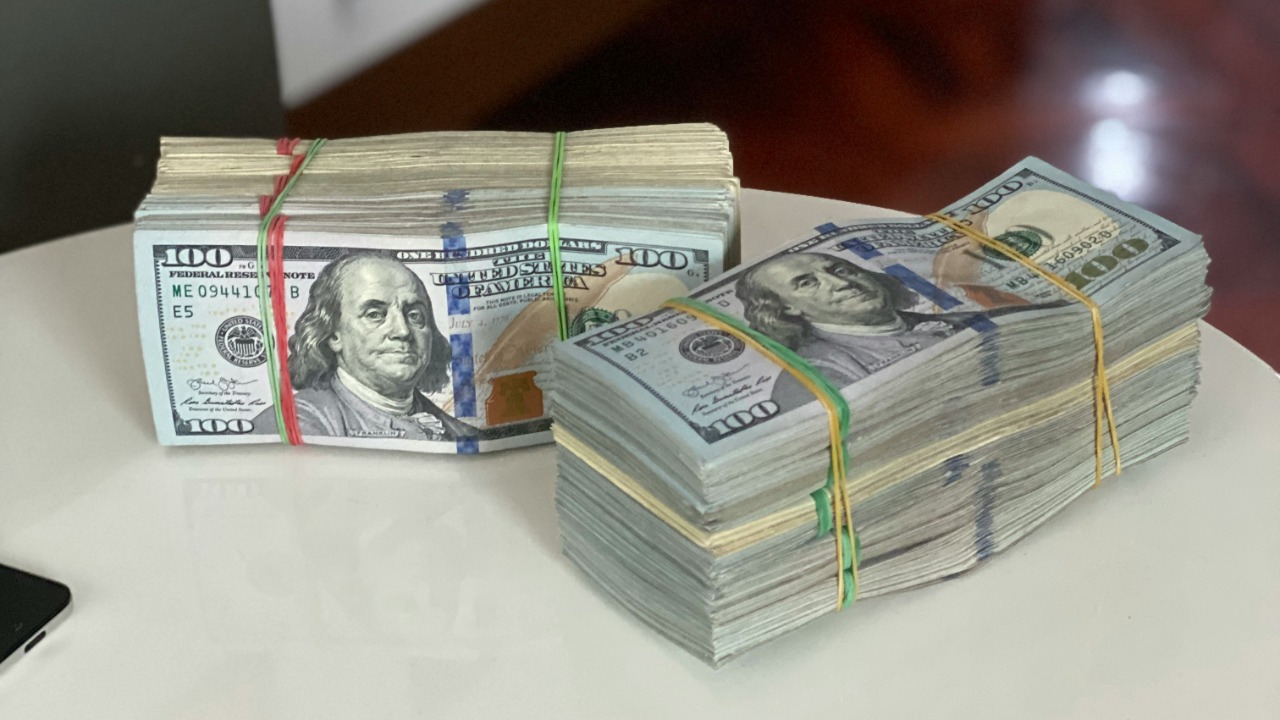
In 2023, Americans lost over $62 million in cash because they accidentally threw it away, according to the U.S. Bureau of Engraving and Printing. The bureau’s Mutilated Currency Division has reported a marked increase in cases of damaged or discarded currency being sent in for redemption, revealing a growing trend of careless disposal of money.
The Mutilated Currency Division’s Role
The U.S. Bureau of Engraving and Printing’s Mutilated Currency Division processed over 21,000 cases of damaged currency in 2023, highlighting a significant rise in requests for cash redemption. This division plays a crucial role in helping Americans recover their lost cash by carefully examining and authenticating damaged money to determine its eligibility for exchange. The process is meticulous, ensuring that only genuine claims are honored, which underscores the division’s importance in maintaining public trust in the currency system.
As more individuals inadvertently discard cash, the division’s workload has increased, reflecting a broader trend of careless cash handling. The division’s efforts are not just about processing claims but also about educating the public on the importance of proper cash management. By providing a reliable avenue for redemption, the division helps mitigate the financial losses that individuals might otherwise face due to accidental disposal of money.
In addition to processing claims, the Mutilated Currency Division collaborates with financial institutions and law enforcement agencies to ensure that the currency redemption process is secure and free from fraudulent activities. This collaboration is vital in maintaining the integrity of the currency system, as it helps prevent counterfeit bills from being introduced during the redemption process. The division also conducts regular training sessions for its staff to keep them updated on the latest techniques in currency authentication and fraud detection, further enhancing its capability to serve the public effectively.
Common Reasons for Discarding Cash

Many Americans inadvertently discard cash due to mistakenly throwing away envelopes or containers holding money. This trend has been linked to common habits of placing cash in unconventional storage like cereal boxes or tissue boxes. Such practices, while seemingly convenient, often lead to unintended consequences when these containers are discarded without checking their contents.
Experts suggest that the rise in digital transactions has led to a decreased awareness of physical cash, contributing to accidental discard rates. As more people rely on digital wallets and online banking, the tactile experience of handling cash diminishes, making it easier to overlook or misplace physical currency. This shift in behavior underscores the need for increased awareness and education on the importance of careful cash handling.
Another contributing factor to the accidental discarding of cash is the increasing trend of minimalism and decluttering, popularized by various lifestyle movements. As individuals strive to reduce clutter in their homes, they may inadvertently dispose of items containing cash, such as old wallets or forgotten envelopes. This behavior is often compounded by the fast-paced nature of modern life, where hurried decisions can lead to oversight. Additionally, the prevalence of cash gifts during holidays and special occasions can result in envelopes being misplaced or discarded, especially if recipients are not accustomed to handling physical money regularly.
Impact on Individuals and Families

Stories of individuals throwing away money underscore the financial impact on families. Such incidents highlight the emotional stress and financial burden that can result from careless cash handling. For many, the loss of significant amounts of money can lead to financial strain, affecting their ability to meet essential expenses.
The emotional toll of losing cash is prompting some families to adopt more secure methods of cash storage, such as safe deposit boxes. By taking proactive steps to safeguard their money, individuals can reduce the risk of accidental loss and the associated stress. This shift towards more secure storage solutions reflects a growing awareness of the need to protect one’s financial assets.
The financial repercussions of losing cash can extend beyond immediate monetary loss, affecting long-term financial planning and savings goals. For instance, families saving for significant expenses such as education or home renovations may find themselves forced to delay or alter their plans due to the unexpected loss of funds. This can have a cascading effect on their financial stability, potentially leading to increased reliance on credit and accruing debt. Moreover, the psychological impact of such losses can lead to increased anxiety and stress, prompting individuals to reevaluate their financial habits and seek more robust methods of safeguarding their assets.
Efforts to Increase Awareness

The U.S. Bureau of Engraving and Printing has launched awareness campaigns to educate the public on the importance of careful cash handling and storage. These initiatives aim to reduce the incidence of accidental cash disposal by providing practical tips and strategies for managing physical currency. By raising awareness, the bureau hopes to encourage more responsible cash management practices among Americans.
Financial advisors are recommending that individuals leverage digital tools and financial planning resources to minimize reliance on physical cash, thereby reducing the risk of accidental loss. By integrating digital solutions into their financial management strategies, individuals can enjoy greater convenience and security. This approach not only helps prevent the loss of cash but also aligns with broader trends towards digital financial management.
To further bolster public awareness, the U.S. Bureau of Engraving and Printing has partnered with educational institutions to incorporate financial literacy programs into school curriculums. These programs aim to teach students the value of money management from a young age, emphasizing the importance of both digital and physical currency handling. By instilling these skills early, the bureau hopes to cultivate a generation that is more conscientious about their financial practices. Additionally, the bureau’s outreach efforts include workshops and seminars for adults, focusing on practical strategies for integrating cash management with digital financial tools.

Cole Whitaker focuses on the fundamentals of money management, helping readers make smarter decisions around income, spending, saving, and long-term financial stability. His writing emphasizes clarity, discipline, and practical systems that work in real life. At The Daily Overview, Cole breaks down personal finance topics into straightforward guidance readers can apply immediately.
