
For families like the Thompsons in Portland, thrifting has become a more viable financial strategy than working overtime. According to data from the U.S. Bureau of Labor Statistics, the average American family saves approximately $1,800 annually by purchasing second-hand items, a significant amount compared to the average $1,200 earned from 100 hours of overtime work annually. This shift is particularly noticeable in cities with a high cost of living, like Portland and San Francisco.
The Rise of Thrifting

The National Association of Resale Professionals reports a 7% annual growth in the resale market, underscoring a cultural shift towards sustainable shopping. This trend is not just a passing fad but a growing movement that reflects changing consumer priorities. As more families seek ways to stretch their budgets, thrifting offers a practical solution that aligns with both economic and environmental values.
Online platforms like ThredUp and Poshmark are expanding the reach of thrift shopping, making it accessible to families nationwide. These platforms provide a convenient way for consumers to buy and sell second-hand items, broadening the appeal of thrifting beyond traditional brick-and-mortar stores. Consumer surveys reveal that 40% of families now include thrift shopping as a regular part of their budgeting strategy, highlighting its growing importance in household financial planning.
Economic Benefits of Thrifting

The Thompsons, a family of four in Portland, have reduced their annual clothing expenses by 50% through thrifting, saving approximately $600 per year. This significant reduction in spending allows them to allocate more resources to other essential expenses. According to a study by the University of Arizona, families who thrift can redirect earnings to crucial areas such as healthcare and education, enhancing their overall financial stability.
A report by Goodwill Industries notes that the average family saves $150 per month by purchasing second-hand home goods. This consistent saving can add up over time, providing families with a financial cushion that can be used for emergencies or future investments. The economic benefits of thrifting extend beyond individual households, contributing to a more sustainable and resilient economy.
Environmental Impact
The Environmental Protection Agency states that thrifting reduces landfill waste by 2.5 million tons annually, contributing significantly to environmental conservation efforts. By choosing second-hand items, consumers help decrease the demand for new products, which in turn reduces the environmental footprint associated with manufacturing and transportation.
A study by the Fashion Industry Charter for Climate Action found that buying second-hand clothing can cut carbon emissions by 25% compared to purchasing new items. Local thrift stores in San Francisco collectively divert 40,000 pounds of clothing from landfills each week, demonstrating the tangible impact of thrifting on reducing waste and promoting sustainability.
In addition to reducing landfill waste, thrifting plays a crucial role in conserving natural resources. The production of new clothing and goods often involves significant water usage and chemical treatments, which can lead to environmental degradation. By opting for second-hand items, consumers help mitigate these impacts, conserving water and reducing the need for harmful chemicals in the manufacturing process. According to the Water Footprint Network, the fashion industry is responsible for approximately 20% of global wastewater, highlighting the importance of reducing new clothing production through thrifting.
Moreover, the environmental benefits of thrifting extend to energy conservation. The energy required to produce new goods, from raw material extraction to manufacturing and distribution, is substantial. By purchasing second-hand, consumers contribute to a decrease in energy consumption, which is vital for reducing greenhouse gas emissions. The Ellen MacArthur Foundation reports that extending the life of clothing by just nine months can reduce its carbon, water, and waste footprints by 20-30%. This underscores the significant environmental advantages of integrating thrifting into everyday consumer habits.
Challenges and Criticisms
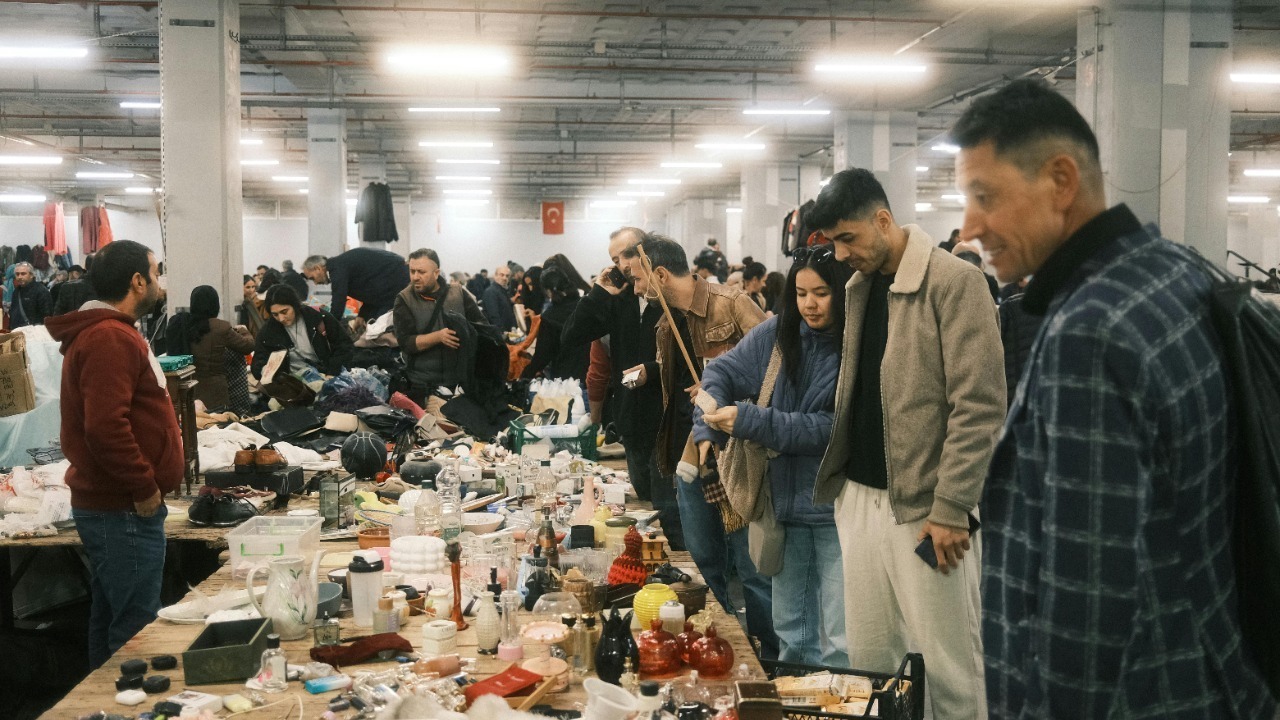
Critics argue that the rise of thrifting may reduce donations to charity shops, impacting their ability to fund community programs. While the resale market grows, traditional charity shops may face challenges in maintaining their inventory levels and supporting their charitable missions. This shift in consumer behavior requires a reevaluation of how these organizations operate and engage with their communities.
Some families report challenges in finding specific sizes or styles, which can limit the practicality of thrifting as a primary shopping method. The Thompsons note that the time invested in thrifting can sometimes outweigh the financial savings, particularly when searching for niche items. Despite these challenges, the overall benefits of thrifting continue to attract families looking for cost-effective and sustainable shopping options.

Cole Whitaker focuses on the fundamentals of money management, helping readers make smarter decisions around income, spending, saving, and long-term financial stability. His writing emphasizes clarity, discipline, and practical systems that work in real life. At The Daily Overview, Cole breaks down personal finance topics into straightforward guidance readers can apply immediately.

