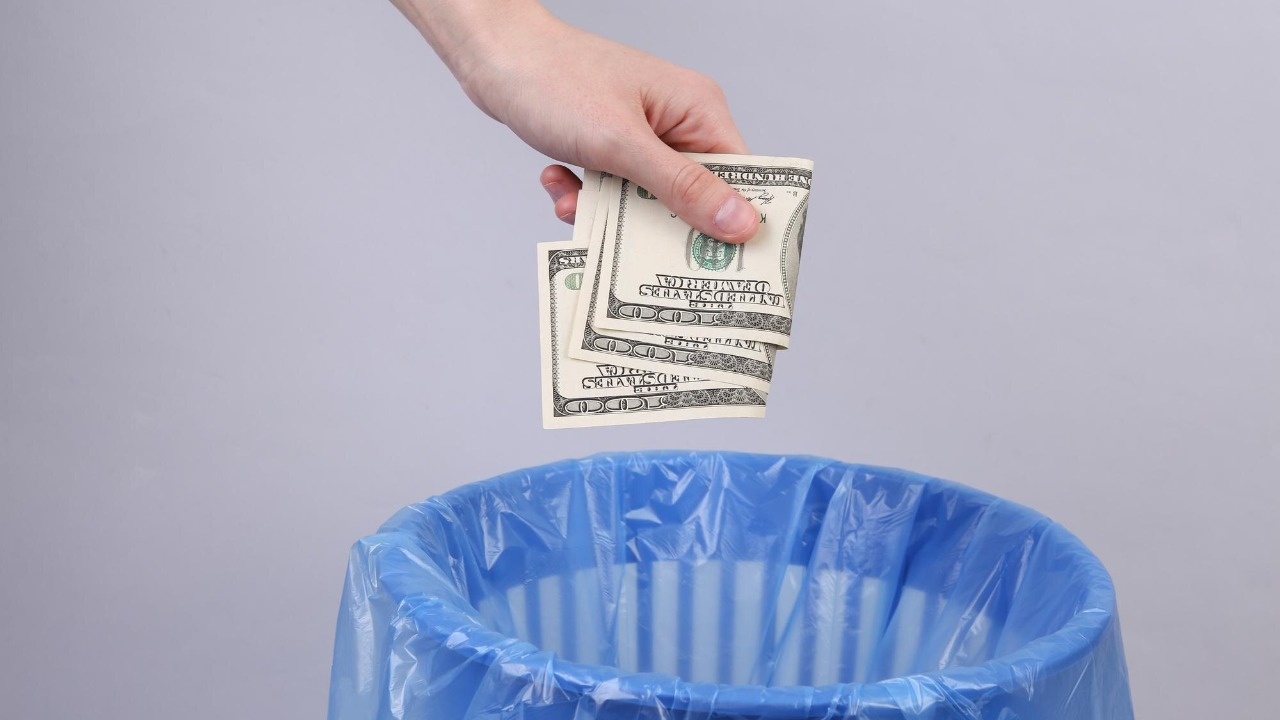
Every week, countless Americans unknowingly waste money in ways they often don’t realize. This hidden financial drain stems from various aspects of daily life, from grocery shopping habits to overlooked subscriptions. By examining these behaviors, we can better understand how to curb unnecessary spending and reclaim financial stability.
The Hidden Costs of Convenience

Convenience is often a double-edged sword. Many Americans opt for pre-packaged foods or meal delivery services, which can be a time-saver but often come with a premium price tag. For instance, a single meal from a delivery service like HelloFresh or Blue Apron can cost significantly more than purchasing the ingredients individually from a grocery store. While these services offer the benefit of not having to plan meals or shop for groceries, the cumulative cost of relying on them can quickly add up, becoming a significant portion of one’s monthly expenses.
Subscription services present another silent drain on finances. Streaming platforms such as Netflix, Disney+, and Spotify, along with subscription boxes like Stitch Fix or Dollar Shave Club, often continue to bill customers who may no longer actively use them. These recurring costs can become background noise, quietly deducting from bank accounts each month. Moreover, the convenience of one-click purchases on platforms like Amazon often leads to impulsive buying, where consumers may not fully consider the necessity or value of their purchases. Over time, these unplanned expenses can hinder financial goals and savings.
Overconsumption and Waste
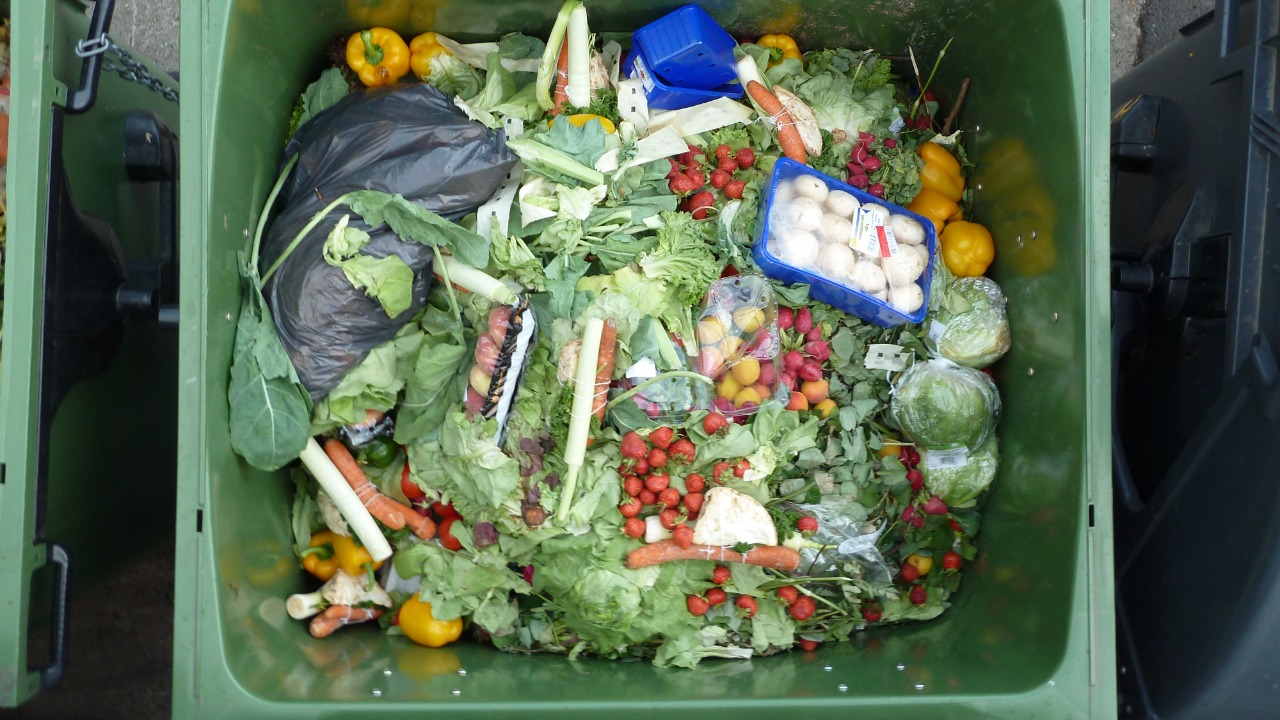
Food waste is a pervasive issue in American households. According to the U.S. Department of Agriculture, Americans waste roughly 30-40% of the food supply each year. This waste equates to a staggering amount of money literally being thrown away, as uneaten groceries are discarded weekly. By being more mindful of meal planning and storage, individuals can reduce waste and, in turn, save money.
The fast fashion industry also contributes to financial waste. Consumers are drawn to cheap, low-quality clothing that wears out quickly, necessitating frequent replacements. Brands like H&M and Zara capitalize on this trend, offering affordable yet disposable fashion. Similarly, the use of single-use products, such as plastic water bottles and disposable utensils, incurs unnecessary expenses. Over time, these costs accumulate, impacting both personal finances and the environment. Embracing reusable alternatives can lead to significant savings and a reduced environmental footprint.
Financial Illiteracy

Financial literacy is a crucial skill that many Americans lack, leading to avoidable financial pitfalls. A lack of understanding regarding personal finance basics often results in incurring unnecessary fees, such as overdraft charges or late payment penalties. These fees can add up quickly, creating financial strain for individuals living paycheck to paycheck. Without a comprehensive understanding of personal finance, it becomes challenging to make informed decisions that align with long-term financial goals.
Budgeting is another area where many struggle. Without a clear plan in place, individuals are prone to overspending and may find it difficult to save for emergencies or future needs. This lack of budgeting awareness can hinder the ability to achieve financial stability. Additionally, credit card debt remains a significant issue for many. A lack of knowledge about interest rates and repayment strategies can exacerbate debt, leading to increased financial stress. By improving financial literacy, individuals can better navigate these challenges and foster a healthier financial future.
Environmental Impact and Its Financial Implications
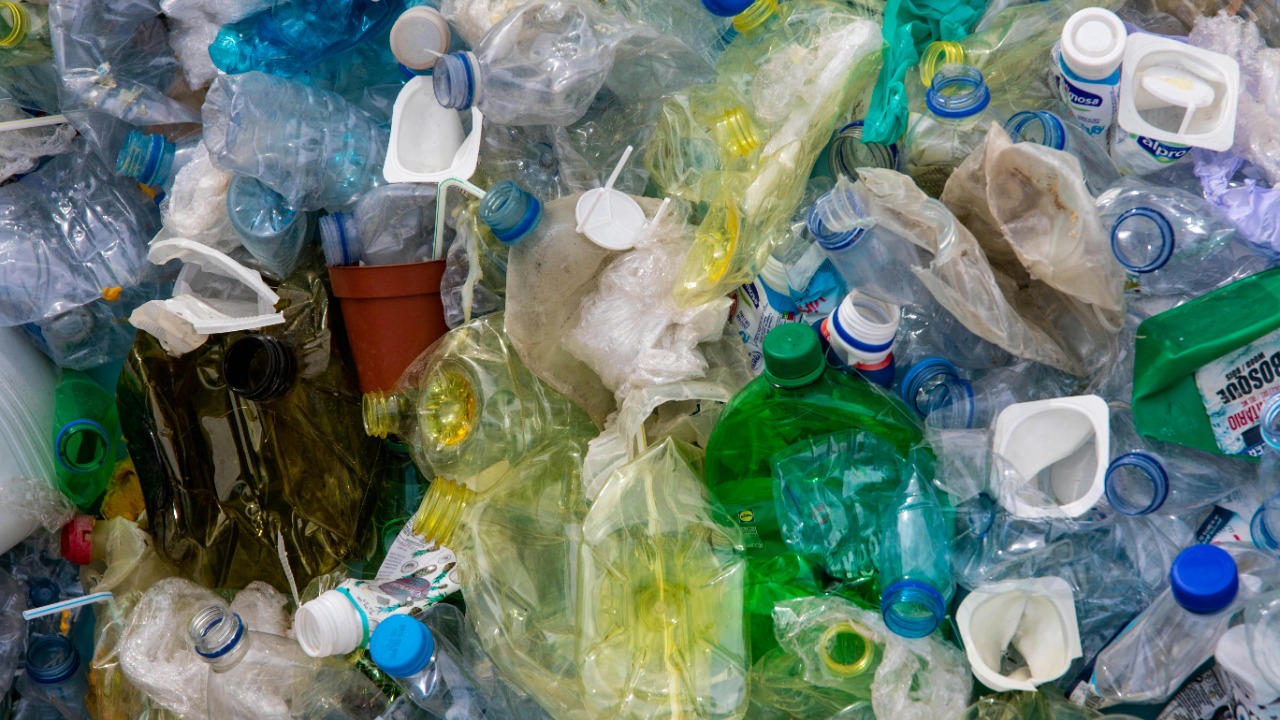
The environmental impact of waste also comes with financial consequences. Waste management and disposal costs, funded by taxpayer dollars, are a collective financial burden often overlooked. The economic costs associated with environmental degradation, such as health issues and loss of biodiversity, indirectly affect personal finances. For example, pollution can lead to increased healthcare costs, while the depletion of natural resources can impact industries reliant on these resources.
Adopting sustainable living practices, though initially perceived as costly, can lead to long-term savings. By reducing waste and conserving resources, individuals can decrease their financial burden. Simple changes, such as using reusable bags, investing in quality items that last longer, and reducing energy consumption, can contribute to significant savings over time. Moreover, a sustainable lifestyle can lead to a healthier planet, reducing broader economic costs associated with environmental damage.
Reclaiming Financial Stability

Reclaiming financial stability begins with implementing mindful spending practices. Tracking expenses and setting financial goals can help identify areas of unnecessary spending. By analyzing spending habits, individuals can make informed decisions about where to cut back and how to allocate resources more effectively. Financial literacy plays a pivotal role in this process, empowering consumers to avoid common money traps and make informed choices.
Educating oneself on financial topics can lead to a more secure financial future. Resources such as online courses, financial advisors, and budgeting apps can provide valuable insights and tools to manage finances effectively. Additionally, embracing a minimalist lifestyle can reduce clutter and expenses, allowing individuals to focus on quality over quantity. By prioritizing needs over wants, it becomes possible to save money and resources, ultimately leading to greater financial security.
The journey to financial stability is not without its challenges, but by recognizing and addressing the hidden ways in which money is wasted, individuals can take meaningful steps toward a more secure financial future. By fostering awareness and understanding, it is possible to reclaim control over one’s finances and work towards a more sustainable and prosperous life.

Cole Whitaker focuses on the fundamentals of money management, helping readers make smarter decisions around income, spending, saving, and long-term financial stability. His writing emphasizes clarity, discipline, and practical systems that work in real life. At The Daily Overview, Cole breaks down personal finance topics into straightforward guidance readers can apply immediately.
