
In today’s fast-paced world, families often face the dilemma of choosing between working overtime to make ends meet or finding alternative ways to save money. Thrifting has emerged as a popular solution, offering both economic and lifestyle benefits that can outweigh the financial gains of working extra hours. Some families find thrift shopping more advantageous than clocking in overtime hours, as it provides a unique blend of financial savings, environmental impact, and improved quality of life.
Financial Savings and Budgeting
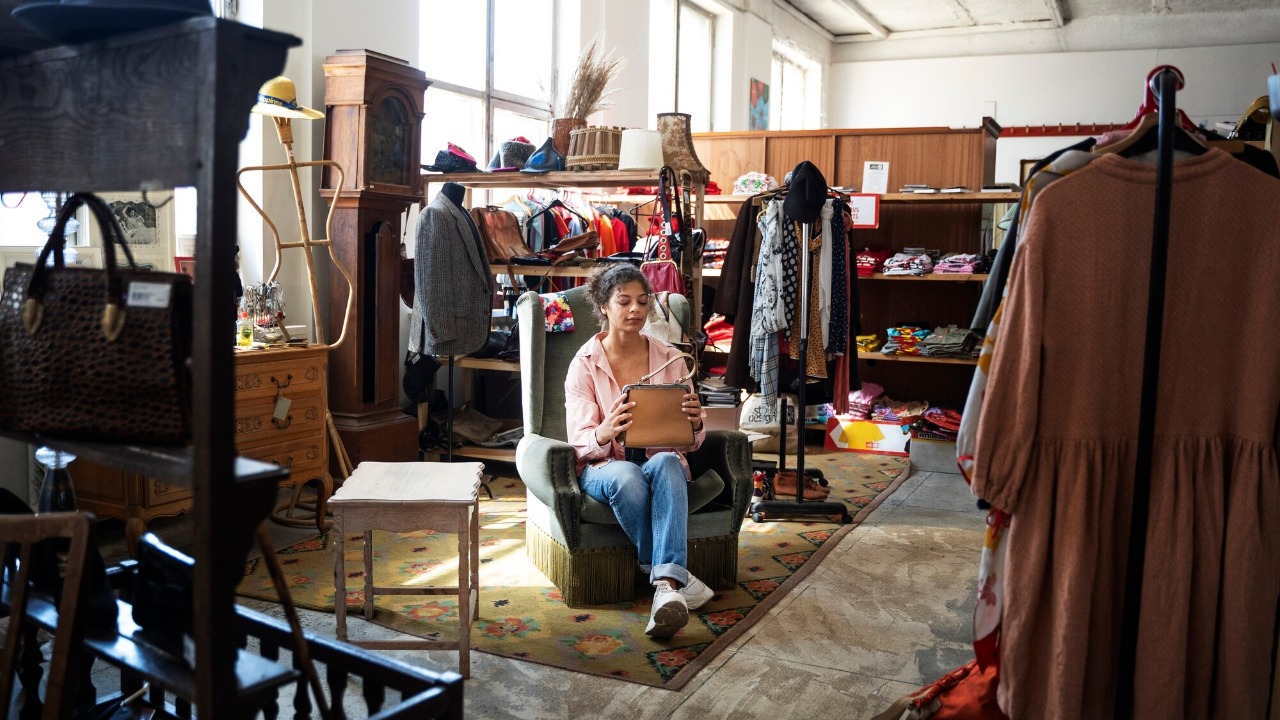
For many families, the financial savings gained from thrifting are significant. By purchasing clothing, furniture, and everyday items from thrift stores, families can significantly cut down on expenses. For instance, a family that shops at a local thrift store might find a gently used crib or stroller for a fraction of the cost at a retail store. This cost-effectiveness allows families to allocate their resources more efficiently, freeing up funds for other necessities or savings.
Moreover, thrifting plays a vital role in helping families stick to their financial plans. By opting for second-hand items, families can avoid the pitfalls of debt that often come with impulse buying or high retail prices. Thrifting encourages mindful spending, which can contribute to long-term financial stability. Additionally, the hidden value of thrifting lies in the discovery of high-quality or designer items at a fraction of their original cost. This not only satisfies the desire for quality but also keeps the budget in check.
Thrifting also offers the thrill of discovering unique and valuable items. It is not uncommon for shoppers to find designer clothing or vintage furniture pieces that retail for hundreds, if not thousands, of dollars, all at a bargain price. These finds can be particularly rewarding, as they provide both monetary savings and a sense of achievement. For instance, finding a vintage Chanel jacket or a rare piece of mid-century modern furniture can be both a financial and personal triumph.
Sustainability and Environmental Impact
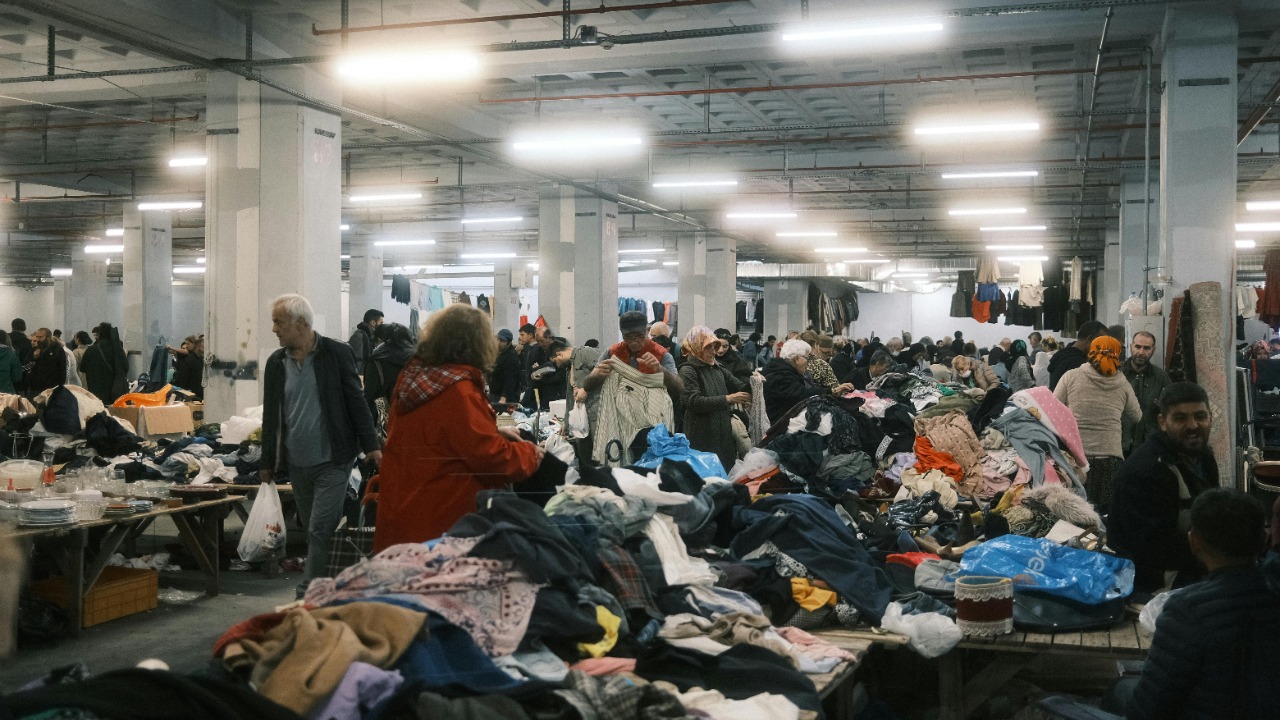
Beyond the financial benefits, thrifting serves as an eco-friendly choice for environmentally conscious families. By purchasing second-hand items, families contribute to reducing waste and supporting sustainable living. The production of new clothing and furniture requires significant resources, including water, energy, and raw materials. Thrifting helps mitigate these environmental impacts by extending the life cycle of products and reducing demand for new goods.
The concept of a circular economy is central to the sustainability of thrifting. Thrift stores play a crucial role in promoting the reuse and recycling of goods, allowing items to be repurposed and given a new life instead of ending up in landfills. This cycle of reuse not only minimizes waste but also supports the broader goals of environmental sustainability.
Choosing second-hand over new products also helps reduce the carbon footprint associated with manufacturing and transporting new goods. By opting for thrifted items, families can lessen their environmental impact, contributing positively to the planet’s health. This mindful consumption aligns with the growing trend of sustainable living, where individuals and families strive to make choices that benefit both their wallets and the environment.
Time Management and Quality of Life

For some families, the time saved by thrifting is as valuable as the money saved. Working overtime can take a toll on both physical and mental health, leaving little time for family and personal pursuits. Thrifting, on the other hand, offers a more relaxed and enjoyable shopping experience, freeing up time for families to spend together.
Balancing work and family life is a challenge for many, and thrifting provides an opportunity to prioritize quality time over additional work hours. By choosing to thrift instead of working overtime, families can enjoy activities such as weekend outings, family dinners, or simply relaxing at home. This work-life balance not only strengthens family bonds but also supports overall well-being.
Furthermore, thrifting can reduce stress by eliminating the pressures associated with overtime work. The mental health benefits of avoiding additional work hours cannot be overstated. Thrifting can be a leisurely and fulfilling activity, offering a sense of satisfaction and accomplishment without the stress of deadlines or quotas. This stress reduction is particularly beneficial for families seeking to maintain a healthy and balanced lifestyle.
Community and Social Connections
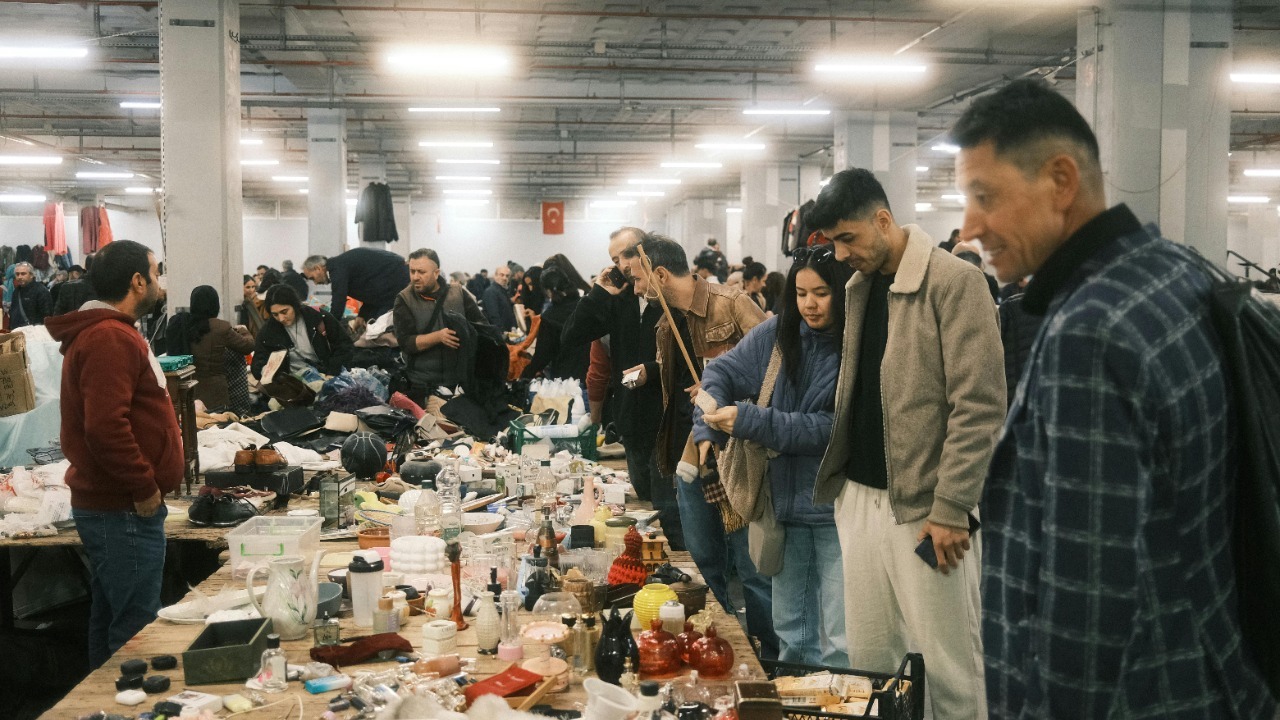
Thrift stores often serve as community hubs, fostering relationships and building connections among local residents. Shopping at local thrift stores allows families to engage with others in their community, creating a sense of belonging and shared purpose. These interactions can lead to valuable friendships and support networks that enrich family life.
Additionally, purchasing from thrift stores often benefits local charities and nonprofit organizations. Many thrift stores are operated by charitable entities, with proceeds supporting various causes such as homelessness, community services, or education programs. By shopping at these stores, families can contribute to positive social change while meeting their own needs.
The social experience of thrifting also adds a layer of enjoyment to the activity. Families can share the excitement of discovering unique items with others who share their passion for thrifting. This camaraderie creates a sense of community and belonging, making thrifting a socially rewarding experience that goes beyond mere shopping.
The Thrill of the Hunt
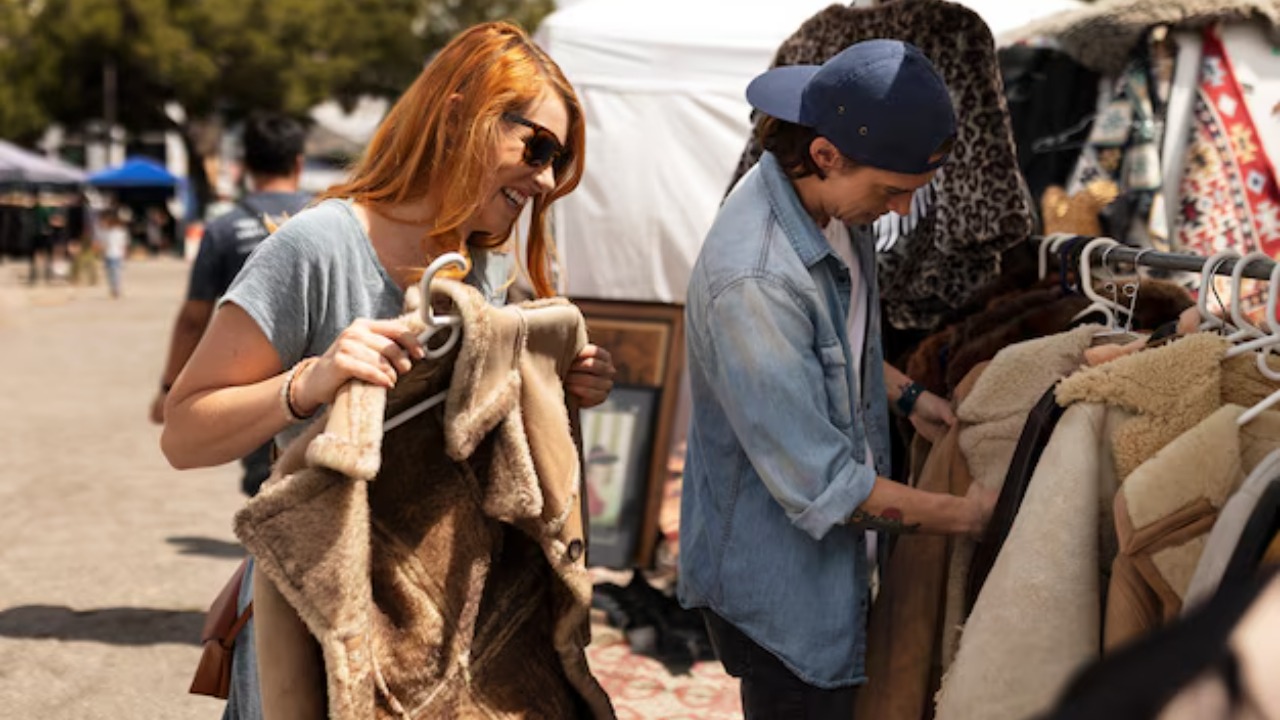
One of the most exciting aspects of thrifting is the thrill of the hunt. Unlike traditional retail shopping, where items are predictable and mass-produced, thrift stores offer a constantly changing inventory filled with unique and one-of-a-kind items. The excitement of discovering a rare vintage dress or a retro piece of furniture is unmatched, adding a sense of adventure and unpredictability to the shopping experience.
Thrifting also allows individuals to express their personal style in a way that is both affordable and sustainable. By curating a wardrobe or home decor from thrifted items, individuals can showcase their unique tastes and preferences without breaking the bank. This personalized approach to style not only fosters creativity but also promotes individuality in a world often dominated by fast fashion and mass production.
Moreover, the element of surprise inherent in thrift shopping keeps it engaging and enjoyable. The unpredictable nature of what one might find encourages repeat visits, as every trip to the thrift store holds the potential for new discoveries. This sense of anticipation and excitement makes thrifting a rewarding and fulfilling activity, offering both practical and emotional benefits to those who embrace it.

Cole Whitaker focuses on the fundamentals of money management, helping readers make smarter decisions around income, spending, saving, and long-term financial stability. His writing emphasizes clarity, discipline, and practical systems that work in real life. At The Daily Overview, Cole breaks down personal finance topics into straightforward guidance readers can apply immediately.

