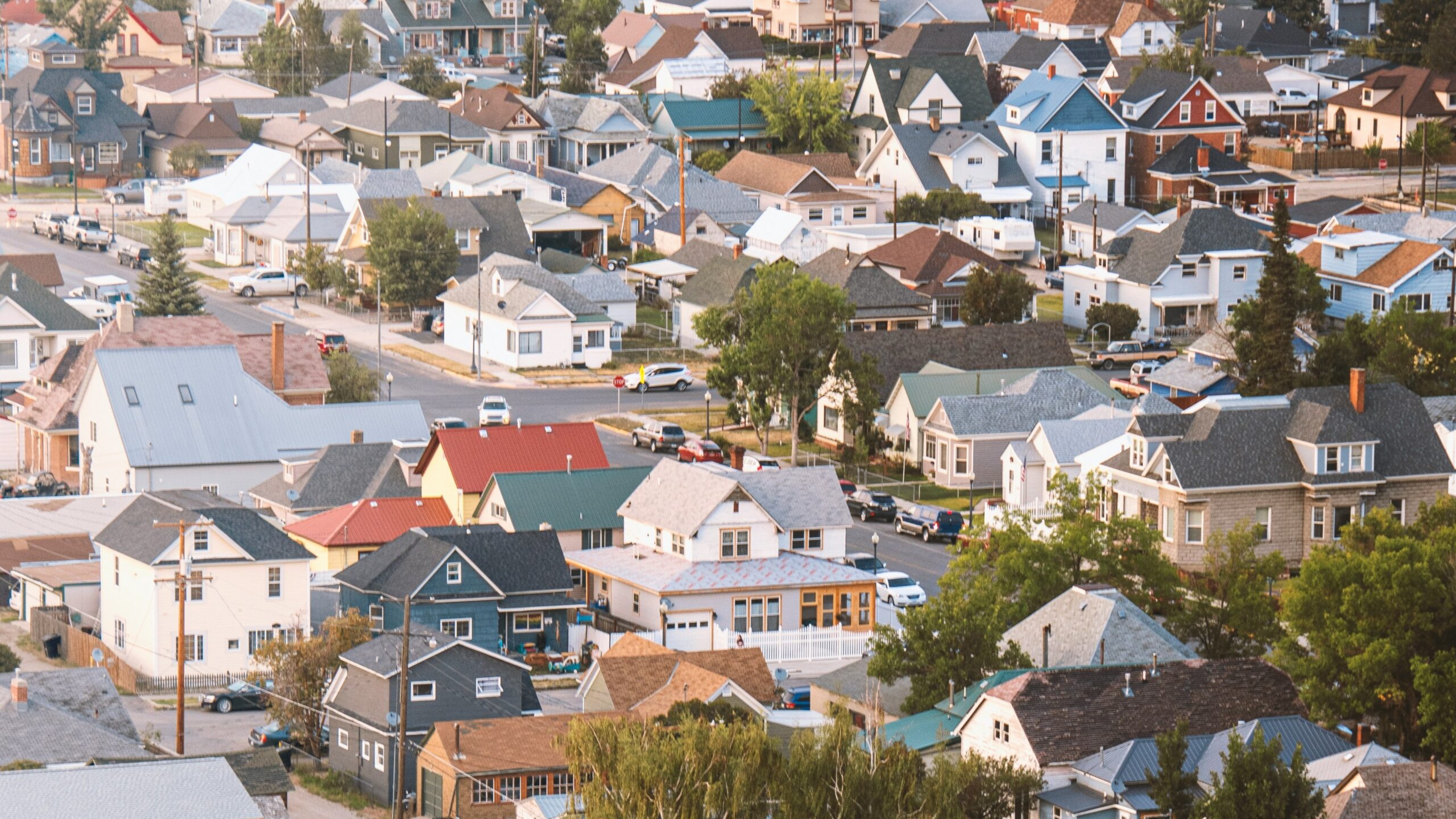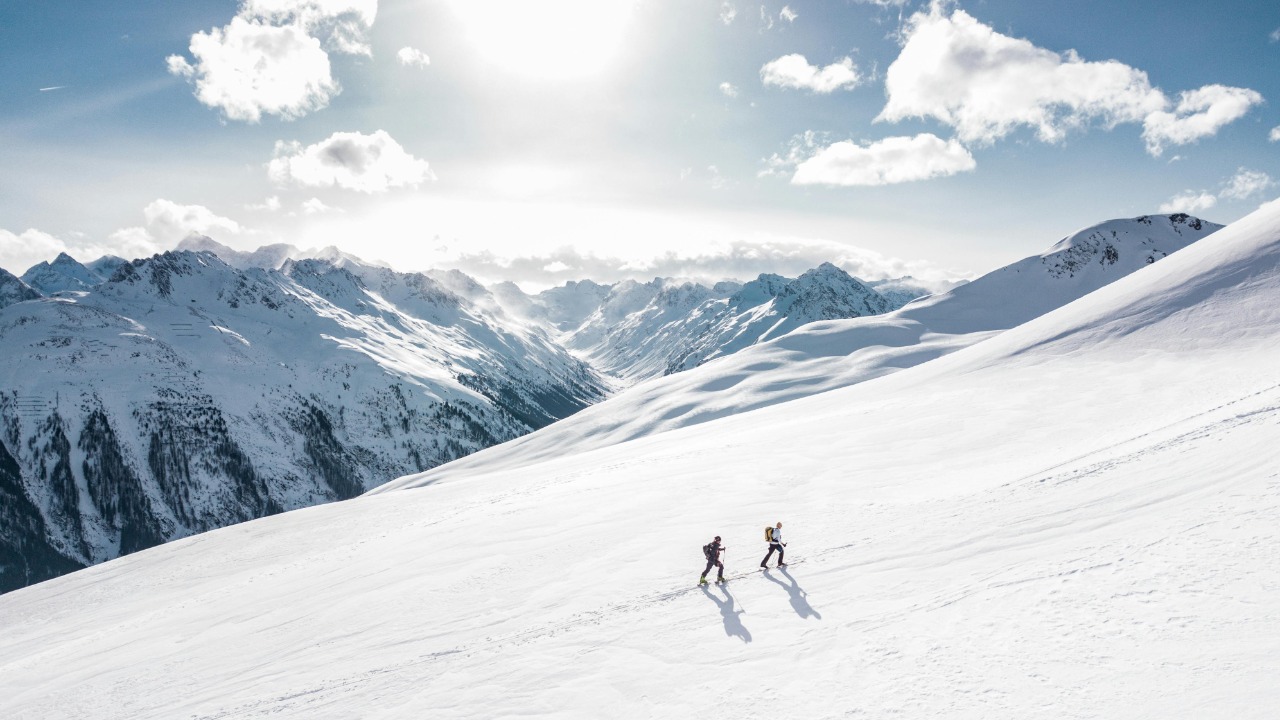
America’s priciest ski destinations are no longer just about snow quality or vertical drop, they are full-fledged luxury economies where housing, lift tickets and even a basic burger can rival big-city prices. I look at 20 towns that multiple rankings now flag as the most expensive ski communities in the USA, focusing on what drives costs and what that means for visitors and locals trying to carve out a season on the slopes.
1) Aspen, Colorado
Aspen, Colorado consistently lands at or near the top of rankings of America’s most expensive ski towns, and recent lists of the 20 costliest ski destinations again put Aspen front and center. The town’s real estate market is dominated by second homes and trophy properties, which pushes purchase prices and long-term rents far beyond what local service workers can afford. High-end boutiques and fine-dining restaurants reinforce a spending culture where a winter weekend can easily run into five figures for affluent visitors.
Those price pressures ripple through everything from groceries to seasonal lodging, making it difficult for year-round residents to stay rooted. At the same time, Aspen’s status as one of the “Most Expensive Ski Towns” helps attract global wealth that funds arts institutions, top-tier schools and infrastructure. The trade-off is stark, a thriving luxury economy that depends on workers who often must commute from cheaper communities downvalley.
2) Vail, Colorado
Vail, Colorado is another benchmark for high-cost skiing, with its resort village frequently cited in rundowns of America’s “Most Expensive Ski Towns” for both lodging and on-mountain spending. The town’s purpose-built base areas concentrate luxury hotels, slopeside condos and designer retail, which drives nightly rates and commercial rents sharply upward. That environment makes Vail a magnet for destination travelers who are willing to pay a premium for ski-in, ski-out convenience and curated amenities.
Lift ticket pricing has long underscored Vail’s elite status, with past reports on the “Most Expensive Daily Lift Tickets” noting how Vail Mountain has competed at the top of the charts. One analysis of historic pricing even highlighted a moment when Vail raised a single-day ticket to $85 after Aspen hit $82, signaling how aggressively the resort has tested the upper limits of what skiers will pay. For local workers and budget-conscious visitors, those numbers translate into fewer days on the hill and a growing reliance on passes, carpooling and shared housing.
3) Jackson Hole, Wyoming
Jackson Hole, Wyoming has become shorthand for ultra-pricey mountain living, and it appears prominently in lists of the “Most Expensive Ski Towns” as well as separate breakdowns of high-cost Western communities. Reporting that compares Jackson Hole and Park City notes that both are the most expensive places to live in Wyoming and Utah, underscoring how ski demand and limited land combine to push housing costs skyward. In Jackson Hole’s case, the draw includes 4,100 feet of vertical in the Teton range, a statistic that helps justify premium pricing for many affluent buyers.
Analysts who rank “overpriced” ski towns have pointed out that Jackson Hole’s home values can reach up to $7 million, effectively shutting out middle-income residents from ownership. That dynamic has turned the town into a case study in how outdoor amenities and tax advantages can attract global wealth while straining local labor markets. Seasonal workers often face long commutes from more affordable pockets of Wyoming, and even professionals in healthcare or education can struggle to compete with cash buyers seeking a foothold near the Tetons.
4) Park City, Utah
Park City, Utah sits in the same rarefied tier as Jackson Hole, with coverage of America’s Most Expensive Ski Towns repeatedly flagging its high cost of living. A detailed comparison of Jackson Hole and Park City describes both as the most expensive places to live in their respective states, but the author ultimately prefers Park City’s mix of amenities and access to Salt Lake City. That proximity to a major metro area, combined with world-class skiing, has helped drive sustained demand for homes and short-term rentals.
Park City’s economy leans heavily on tourism, film festivals and destination skiing, which means local wages often lag behind housing and childcare costs. As more buyers treat Park City properties as investment assets or vacation homes, inventory for full-time residents tightens further. The result is a town that thrives on luxury branding yet faces mounting pressure to preserve workforce housing, maintain year-round community life and keep lift-accessible skiing within reach for Utah families.
5) Telluride, Colorado
Telluride, Colorado ranks near the top of multiple “Most Expensive Ski Towns” lists, and a breakdown of America’s 20 Most Expensive Ski Towns specifically highlights Telluride alongside Aspen and Big Sky. The town’s remote box-canyon setting limits buildable land, which in turn drives up the price of every condo and single-family home that hits the market. That scarcity, combined with a reputation for uncrowded slopes and dramatic scenery, has turned Telluride into a favorite for buyers seeking exclusivity.
High-end real estate translates into steep nightly rates for visitors, especially in peak winter weeks when inventory is tight. Local officials and business owners must balance the benefits of affluent tourism with the reality that service workers often cannot afford to live in town. As Telluride’s profile rises in national rankings, the stakes grow for long-term residents who worry that the community could tilt further toward a seasonal resort economy.
6) Sun Valley, Idaho
Sun Valley, Idaho is one of the original American ski resorts associated with glamour, and it continues to appear in modern rundowns of the “Most Expensive Ski Towns.” The same ranking that spotlights Aspen and Telluride also lists Sun Valley among the top five, underscoring how its legacy as a celebrity retreat still shapes pricing. Seasonal demand is intense, with winter and summer peaks that keep vacation rentals and hotel rooms booked at premium rates.
Those seasonal swings affect everyone from restaurant workers to retirees on fixed incomes, who must navigate higher costs for basics during peak months. At the same time, Sun Valley’s status as a high-end destination helps support cultural institutions, from film festivals to music events, that might not survive in a cheaper market. The challenge for local leaders is ensuring that the town’s historic charm and year-round community are not overshadowed by its reputation as a playground for the wealthy.
7) Big Sky, Montana
Big Sky, Montana has rapidly climbed into the upper echelon of expensive ski destinations, with the “Most Expensive Ski Towns” ranking placing it alongside Aspen and Telluride. That list explicitly names Big Sky as one of America’s costliest mountain communities, reflecting both soaring home prices and resort-driven living expenses. Large-scale resort expansions and luxury developments have attracted buyers who view Big Sky as a quieter alternative to Colorado’s marquee towns.
Accommodation prices mirror that demand, with slopeside hotels and condo rentals commanding high nightly rates during the core ski season. For locals, the influx of capital brings better infrastructure and services but also intensifies pressure on housing and wages. As Big Sky’s profile rises, debates over growth, conservation and affordability have become central to how residents imagine the town’s future beyond its status as a high-priced winter destination.
8) Truckee, California
Truckee, California serves as a key gateway to the Tahoe region, and its inclusion in lists of America’s “Most Expensive Ski Towns” reflects how demand has spilled beyond the lakefront resorts. The ranking of the 20 costliest ski communities notes several California entries, and Truckee stands out for its mix of historic downtown charm and proximity to multiple ski areas. That combination has drawn remote workers and second-home buyers who want easy access to Interstate 80 and year-round recreation.
As more buyers compete for limited housing stock, prices for both ownership and long-term rentals have surged, reshaping Truckee’s demographic profile. Seasonal workers often find themselves priced out of town, relying on shared housing or commuting from more affordable pockets of Nevada or the Sierra foothills. The town’s experience illustrates how ski-driven demand can transform a once-modest railroad community into a high-cost hub for outdoor-focused wealth.
9) Breckenridge, Colorado
Breckenridge, Colorado appears in multiple rundowns of expensive ski destinations, and historic discussions of the “Most Expensive Lift Tickets in the US” have singled out Breckenridge Ski Resort for premium pricing. One forum-based breakdown listed a single-day ticket at $140 for Breckenridge Ski Resort, Colorado, placing it just behind Beaver Creek Resort at $145 and Copper Mountain Resort at $138. Those figures show how Breckenridge has long pushed the upper end of day-ticket costs compared with smaller mountains.
High lift prices are only part of the equation, since Breckenridge’s walkable Victorian core and extensive lodging base also command strong rates. Short-term rentals have proliferated, giving property owners lucrative income while tightening the market for year-round tenants. For Summit County officials and residents, the town’s success as a marquee ski destination raises ongoing questions about traffic, workforce housing and how to keep at least some slice of the mountain accessible to local families.
10) Steamboat Springs, Colorado
Steamboat Springs, Colorado has evolved from a ranching town into a major resort, and it now features in national lists of the “Most Expensive Ski Towns” as a result. One social-media summary of the “Most Expensive Daily Lift Tickets in the USA Last Season” grouped Steamboat Springs with Beaver Creek and Vail Mountain among the priciest options, highlighting how its lift prices have climbed into the top tier. That positioning reflects both investment in on-mountain upgrades and strong demand from destination travelers.
Beyond lift tickets, Steamboat’s growing popularity has pushed up the cost of lodging, dining and everyday services, especially during peak powder weeks. Locals who once viewed the town as a relatively affordable alternative to Vail or Aspen now face similar pressures on rent and home prices. The community’s challenge is to preserve its ranch-town identity and family-friendly reputation while navigating the realities of being counted among America’s most expensive ski destinations.
11) Snowmass, Colorado
Snowmass, Colorado is often discussed alongside Aspen, and detailed reporting on the cost to live in elite ski towns confirms that Snowmass itself ranks among the most expensive. Analysts examining 11 high-priced ski communities have highlighted how housing, utilities and everyday expenses in Snowmass outpace national averages by a wide margin. The town’s extensive ski terrain and direct lift access from many condos help justify those premiums for affluent buyers and renters.
For workers and year-round residents, however, the same factors that attract wealth can make daily life precarious. Seasonal employment patterns mean income can fluctuate sharply between winter and shoulder seasons, while fixed costs like rent remain high. Snowmass illustrates how satellite resort communities around marquee destinations such as Aspen can develop their own distinct affordability crises, even as they benefit from shared branding and infrastructure.
12) Crested Butte, Colorado
Crested Butte, Colorado has long marketed itself as a quirky, less-commercial alternative to bigger resorts, yet it still appears in analyses of the 11 most expensive ski towns and their living costs. That reporting on high-priced mountain communities notes that Crested Butte’s relative remoteness and limited housing stock contribute to elevated rents and home values. The town’s historic core and strict development rules help preserve character but also constrain new supply.
Residents face a familiar pattern, where service jobs tied to tourism do not always keep pace with rising expenses for groceries, childcare and transportation. At the same time, Crested Butte’s inclusion among the costliest ski towns signals to investors and second-home buyers that the market is both desirable and competitive. The tension between maintaining a laid-back ski culture and accommodating luxury-driven demand is now central to local debates over zoning and growth.
13) Deer Valley, Utah
Deer Valley, Utah is synonymous with high-end skiing, and coverage of luxury-focused ski communities repeatedly cites it as a prime example of opulent, expensive mountain living. Separate reporting on the “Most Expensive Daily Lift Tickets in the USA Last Season” listed Deer Valley at $249 for a single-day ticket, a figure that underscores its premium positioning. That price point reflects a deliberate strategy of limiting ticket sales, emphasizing service and catering to guests who prioritize comfort over bargain hunting.
Real estate around Deer Valley follows the same pattern, with slopeside homes and condos marketed as exclusive retreats for high-net-worth buyers. For nearby communities in Utah, the resort’s success brings jobs and tax revenue but also contributes to regional housing pressures as workers seek more affordable neighborhoods. Deer Valley’s model shows how a focus on luxury amenities can sustain some of the highest prices in the ski industry while reshaping the broader local economy.
14) Alta, Utah
Alta, Utah is often mentioned in the same breath as Deer Valley when analysts map out America’s most luxurious and expensive ski towns. The examination of high-end ski communities that highlights Deer Valley’s opulence also points to Alta’s unique combination of deep snow, limited development and a fiercely loyal skier base. That scarcity of slopeside beds, combined with strong demand from powder seekers, helps keep lodging prices elevated during storm cycles and peak holidays.
Alta’s no-snowboard policy and focus on a traditional ski experience have not insulated it from broader affordability issues. Workers who support the resort’s operations frequently rely on shared housing or seasonal arrangements, while nearby canyons and Salt Lake City absorb much of the long-term housing demand. Alta’s inclusion in luxury rankings underscores how even relatively low-key resorts can become expensive once access, snow quality and limited capacity intersect.
15) Squaw Valley, California
Squaw Valley, California, now officially renamed but still widely known by its historic moniker, has long been associated with steep terrain and steep prices. Analyses of the most expensive daily lift tickets in the USA have repeatedly placed the resort among the top nine, reflecting aggressive day-ticket pricing. Those high rates are paired with a sprawling base village where lodging and dining skew toward the upper end of the market.
The resort’s Olympic legacy and proximity to the Bay Area help sustain demand from skiers who are willing to pay for challenging terrain and weekend getaways. However, the same dynamics that support premium lift tickets also contribute to rising housing costs in surrounding communities, including Truckee. For local workers and long-time residents, Squaw Valley’s status as a high-priced destination raises ongoing questions about transportation, parking and how to keep at least some access affordable for regional skiers.
16) Mammoth Lakes, California
Mammoth Lakes, California anchors one of the largest ski areas in the state, and it appears in discussions of resorts with some of the highest lift ticket prices in North America. Broader reporting on the “Most Expensive Ski Lift Tickets in North America” notes that the 2024-2025 season saw top tickets exceeding $300 at major U.S. resorts, a threshold that Mammoth’s scale and popularity help contextualize. Those figures signal how far day-ticket pricing has climbed from earlier benchmarks like $145 or $140 at Colorado resorts.
In Mammoth Lakes, high lift prices intersect with a tight housing market shaped by second homes and short-term rentals. Seasonal workers often juggle multiple jobs to cover rent, while visitors weigh the cost of a weekend on the hill against other vacation options. The town’s experience illustrates how California’s big-mountain destinations are fully embedded in the national trend toward higher per-day costs for skiing and snowboarding.
17) Taos, New Mexico
Taos, New Mexico brings a distinct cultural dimension to the list of expensive ski towns, blending Southwestern art heritage with a steep, challenging ski hill. Rankings of America’s 20 Most Expensive Ski Towns include several New Mexico entries, and Taos stands out as a destination where lift-accessed terrain and adobe architecture coexist. That unique appeal has drawn buyers and visitors who are willing to pay a premium for something different from the standard Rocky Mountain resort template.
As Taos’s profile rises, housing costs and everyday expenses have followed, affecting both the historic town and nearby communities. Artists, service workers and long-time residents face increasing competition from second-home owners and short-term rental investors. The town’s inclusion among the costliest ski destinations underscores how even relatively small markets can experience big-city affordability challenges once they become fixtures on national travel and real estate lists.
18) Sundance, Utah
Sundance, Utah is best known for its film festival, but it also functions as a boutique ski destination that appears in broader rundowns of expensive mountain towns. Analyses of the “Most Expensive Ski Towns” point to Sundance’s unique mix of cultural cachet and limited lodging as key cost drivers. The resort’s intimate scale and emphasis on nature-focused design appeal to visitors who value privacy and are willing to pay for it.
Because Sundance sits within commuting distance of larger Utah cities, its housing market is intertwined with regional trends, yet resort-area properties still command high prices. Seasonal spikes during the film festival and peak ski weeks strain local infrastructure and push up short-term rental rates. For nearby residents and businesses, Sundance’s dual identity as a cultural hub and ski area brings economic opportunity alongside familiar concerns about congestion and affordability.
19) Red Lodge, Montana
Red Lodge, Montana may not have the name recognition of Aspen or Vail, but detailed reporting on the cost to live in top-tier ski towns places it among the 11 most expensive. Analysts examining Red Lodge point to rising home prices and a growing share of properties used as vacation rentals, which tighten the market for full-time residents. The town’s role as a gateway to nearby ski terrain and scenic drives has amplified demand from out-of-state buyers.
For locals, the shift means higher property taxes and more competition for rental housing, even as tourism dollars support restaurants, shops and guiding services. Red Lodge’s experience shows how smaller Montana communities can face big-city affordability issues once they are discovered by remote workers and second-home owners. Its inclusion on national cost-of-living lists signals that the pressures reshaping famous resorts are now reaching deeper into the rural Rockies.
20) Durango, Colorado
Durango, Colorado rounds out the list as a town that blends historic railroad heritage with access to lift-served skiing, and it appears in multiple rankings of expensive mountain destinations. A rundown of luxury-oriented ski towns highlights Durango’s upscale elements, while a separate list of America’s 20 most expensive ski towns names Durango among the top entries. That dual recognition reflects both its growing real estate market and its appeal as a four-season outdoor hub.
Durango’s housing costs have climbed as buyers seek properties near the historic downtown and easy access to nearby ski slopes and trails. Short-term rentals and second homes have become more common, raising concerns about neighborhood stability and workforce housing. For residents and policymakers, Durango’s emergence as a high-priced ski town underscores the need to balance tourism-driven growth with strategies that keep the community livable for teachers, service workers and families who call the town home year-round.
More From TheDailyOverview
- Dave Ramsey says these two simple questions show whether you’re rich or poor
- Retired But Want To Work? Try These 18 Jobs for Seniors That Pay Weekly
- IRS raises capital gains thresholds for 2026 and what’s new
- 12 ways to make $5,000 fast that actually work

Elias Broderick specializes in residential and commercial real estate, with a focus on market cycles, property fundamentals, and investment strategy. His writing translates complex housing and development trends into clear insights for both new and experienced investors. At The Daily Overview, Elias explores how real estate fits into long-term wealth planning.