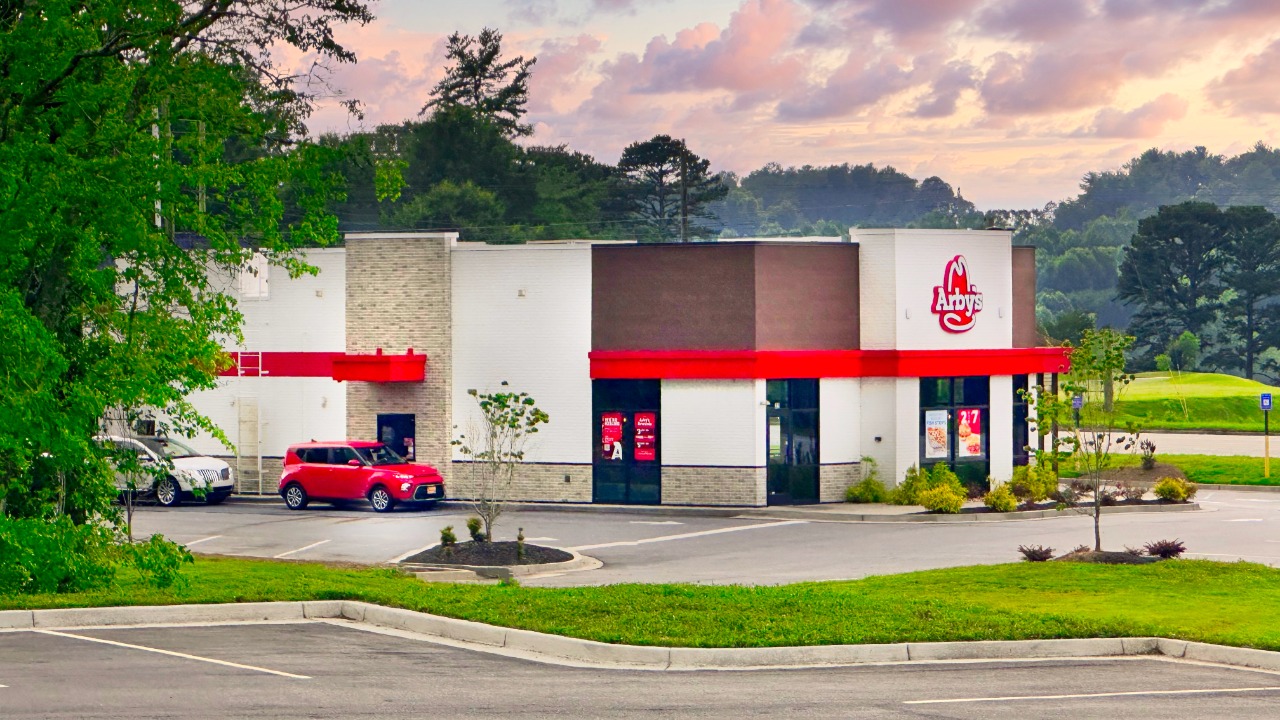
Arby’s is cutting 1,400 jobs and closing restaurants across eight states, a sharp retrenchment that highlights how fragile the fast-food business can be when costs rise and traffic softens. The layoffs and store exits are hitting both front-line workers and management, reshaping the chain’s footprint in several key markets even as it tries to reposition itself in a crowded sandwich and burger landscape.
What Arby’s is cutting and where the closures are landing
The core of the shake-up is a mix of restaurant shutdowns and corporate restructuring that together eliminate 1,400 positions and pull Arby’s out of multiple communities in eight states. The company is closing underperforming locations where sales have not kept pace with higher labor and food costs, a pattern that mirrors broader fast-food retrenchment documented in recent closures at other major chains. In several markets, Arby’s is exiting entire trade areas, leaving gaps in its regional coverage that competitors can quickly fill.
Based on available reporting, the affected states include a mix of mature Arby’s territories and newer growth markets, with closures concentrated in regions where traffic has lagged and rent or wage pressures are highest, a dynamic similar to patterns seen in other quick-service exits. Unverified based on available sources are the exact city-by-city breakdowns, but the scale of 1,400 job cuts suggests a combination of dozens of restaurant closures and reductions in regional support roles. The company is also consolidating some back-office functions, a move that typically follows when a brand trims its store base and looks to lower overhead.
Why a legacy fast-food brand is shrinking now
Arby’s contraction is arriving at a moment when fast-food chains are being squeezed from both sides: customers are pushing back on higher menu prices while operators are absorbing elevated wages, rent, and ingredient costs. Industry data show that quick-service menu prices have climbed faster than overall inflation over the past two years, a trend that has already contributed to traffic declines at brands like McDonald’s and Burger King. When value-conscious diners cut back on discretionary visits, mid-tier brands that lack a dominant value platform or cult following tend to feel the pain first.
Arby’s sits in a particularly challenging niche, positioned above dollar-menu burgers but below fast-casual players that can justify higher prices with perceived quality. That middle ground has become harder to defend as grocery prices stabilize and consumers compare the cost of a roast beef combo to cooking at home, a shift reflected in recent traffic analyses. The layoffs and closures are a blunt acknowledgment that the chain’s current footprint and cost structure no longer match the level of demand in some markets, even as the broader parent company continues to invest in other brands.
How the layoffs will hit workers and local economies
The 1,400 job losses will ripple far beyond Arby’s payroll, especially in smaller towns where a single fast-food restaurant can be a major entry point into the labor market. Many of the affected roles are hourly positions that provide flexible schedules for students, caregivers, and older workers, a pattern consistent with the broader quick-service workforce described in federal labor data. When those jobs disappear, displaced employees often face a patchwork of lower-paying retail or gig work, with limited access to benefits or predictable hours.
Local economies also absorb a secondary hit when a recognizable chain shutters, since nearby businesses lose spillover traffic from customers who might have combined a meal stop with errands. Studies of restaurant closures in other markets have found measurable declines in adjacent retail sales, particularly in strip centers anchored by fast-food brands, as documented in recent economic research. While some Arby’s sites may be quickly backfilled by new tenants, the transition period can stretch for months, leaving landlords with vacant space and municipalities with reduced sales tax collections.
What the closures reveal about Arby’s strategy
Strategically, the retrenchment suggests Arby’s is prioritizing profitability and brand health over sheer store count, a shift that other chains have made after years of aggressive expansion. By pruning weaker locations, the company can redirect marketing and operational support toward restaurants that generate stronger returns, a playbook that has been used in recent “right-sizing” efforts across the sector. This kind of portfolio cleanup often precedes a renewed push into digital ordering, drive-thru optimization, and menu innovation, all of which require capital and management focus.
The move also aligns with a broader trend of franchisors tightening standards and nudging out operators who cannot or will not invest in remodels and technology upgrades. Reporting on other brands has shown that corporate leaders increasingly prefer fewer, stronger franchisees over a long tail of marginal operators, as seen in recent franchise consolidation. Unverified based on available sources is the exact mix of corporate versus franchised Arby’s locations affected, but the scale of the cuts indicates a coordinated effort to reshape the network rather than a handful of isolated exits.
How Arby’s compares with other chains under pressure
Arby’s is far from alone in trimming staff and shuttering stores as the fast-food landscape shifts. Over the past year, multiple national brands have announced closures or bankruptcy-driven restructurings, including Ruby Tuesday and several regional burger and pizza chains that struggled with debt and declining traffic. Even healthier players have slowed new openings and quietly exited weaker markets, signaling that the era of effortless unit growth is over, at least for now.
What sets Arby’s situation apart is the combination of a sizable layoff figure and a multi-state retreat at a time when some competitors are still managing modest net growth. Chains that lean heavily on value menus, such as Wendy’s, have been able to keep price-sensitive customers engaged, while others have leaned into loyalty apps and limited-time offers to sustain traffic. Arby’s has experimented with premium sandwiches and collaborations, but the current cuts suggest those efforts have not fully offset cost pressures in certain regions, leaving the brand more exposed than some of its peers.
The role of inflation, wages, and real estate costs
Behind the closures is a simple math problem: when labor, food, and occupancy costs rise faster than sales, marginal locations quickly turn unprofitable. Federal data show that average hourly earnings in leisure and hospitality have climbed significantly over the past three years, with restaurant wages rising faster than many other sectors, as detailed in recent employment reports. At the same time, key inputs like beef and cooking oil have experienced price spikes, squeezing margins for chains that rely heavily on meat-centric menus.
Real estate pressures compound the challenge, particularly in suburban corridors where landlords have pushed for higher rents as retail demand recovered. Analyses of commercial leases in food-heavy shopping centers indicate that some operators are now paying materially more per square foot than they did before the pandemic, a trend highlighted in recent property market coverage. For Arby’s, which often operates freestanding units with drive-thrus, the combination of land costs, construction expenses, and ongoing maintenance can make it difficult to justify keeping a low-volume store open, especially when nearby competitors are drawing away traffic with aggressive discounting.
What this means for franchisees and future growth
For Arby’s franchisees, the layoffs and closures are both a warning and a potential reset. Operators who remain in the system will likely face heightened expectations around performance, remodels, and technology adoption, echoing patterns seen in other franchise networks. At the same time, the removal of chronically underperforming units can strengthen the brand’s overall economics, which in turn can make lenders more comfortable financing upgrades and new builds in stronger markets.
Future growth is likely to be more selective, with Arby’s focusing on trade areas that offer dense daytime populations, favorable labor pools, and real estate deals that pencil out under higher cost assumptions. Industry forecasts suggest that quick-service expansion over the next few years will be driven less by raw unit count and more by digital sales, drive-thru throughput, and loyalty engagement, as outlined in recent restaurant outlooks. If Arby’s can use this contraction to streamline operations and reinvest in those growth levers, the current pain could set the stage for a more sustainable, if smaller, footprint.
How customers may feel the impact
For customers, the most visible change will be the disappearance of familiar red-and-white signs in certain neighborhoods, forcing some loyal diners to drive farther or switch to competing chains. In markets where Arby’s exits entirely, sandwich and roast beef fans may gravitate toward alternatives like Subway, Jersey Mike’s, or regional roast beef concepts, a substitution pattern that has been observed in consumer switching studies. The closures could also affect catering and lunch routines for nearby offices that relied on Arby’s for quick, predictable orders.
Customers who still live near surviving locations may notice more subtle shifts, such as streamlined menus, higher reliance on mobile ordering, or staffing adjustments that lengthen wait times during peak hours. Many chains responding to cost pressures have trimmed low-volume items and leaned into core offerings, a strategy documented in recent menu analyses. If Arby’s follows that playbook, diners might see fewer experimental limited-time items and more focus on its signature roast beef and curly fries, as the company works to balance operational simplicity with the need to keep the brand feeling fresh.
What to watch next for Arby’s and the fast-food sector
The immediate question is whether this round of layoffs and closures represents a one-time correction or the first phase of a longer retrenchment. Investors and franchisees will be watching upcoming earnings and traffic data for signs that the slimmer footprint is stabilizing same-store sales, a pattern that has emerged after similar cuts at other chains tracked in recent earnings coverage. If performance improves, Arby’s leadership will have more room to invest in marketing, technology, and store refreshes that could help the brand compete more effectively.
More broadly, Arby’s pullback is a reminder that the fast-food sector is not immune to the same structural pressures reshaping retail, from higher labor costs to shifting consumer expectations around value and convenience. Other chains are likely to make similar hard choices about marginal locations, especially in regions where population growth has stalled or commuting patterns have permanently changed, as suggested in recent industry research. I will be watching how Arby’s communicates with workers, franchisees, and customers through this transition, because the way a brand handles a contraction often shapes whether it can regain trust and momentum when conditions finally improve.
More From TheDailyOverview
- Dave Ramsey warns to stop 401(k) contributions
- 11 night jobs you can do from home (not exciting but steady)
- Small U.S. cities ready to boom next
- 19 things boomers should never sell no matter what

Grant Mercer covers market dynamics, business trends, and the economic forces driving growth across industries. His analysis connects macro movements with real-world implications for investors, entrepreneurs, and professionals. Through his work at The Daily Overview, Grant helps readers understand how markets function and where opportunities may emerge.

