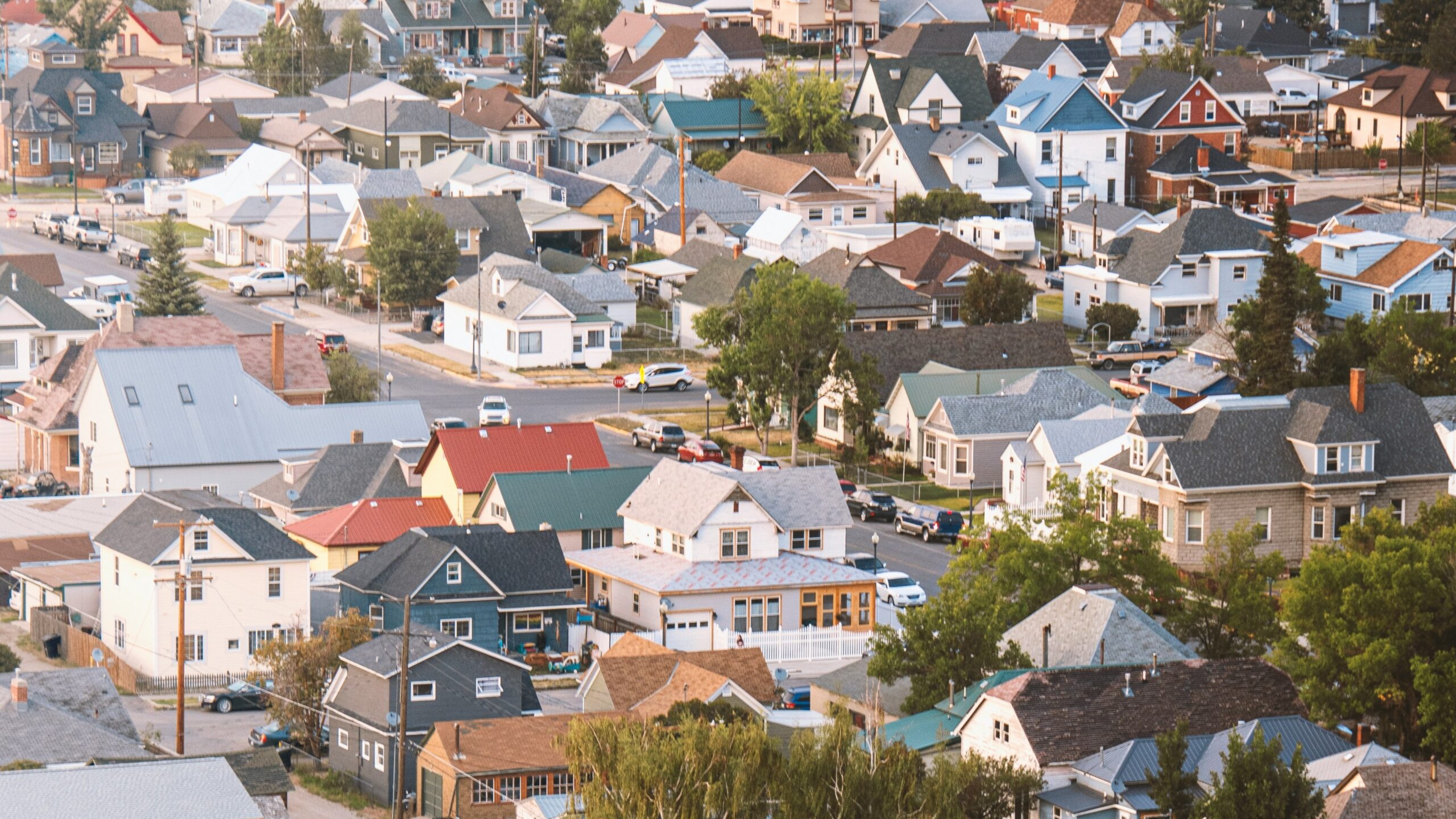
For more than a decade, millennials have been cast as a generation permanently sidelined from homeownership, squeezed by student debt, soaring prices, and stagnant wages. The reality is more complicated: many are still struggling to buy, but a growing share have managed to get in, often later in life and with far more risk than their parents faced. I want to untangle that tension, looking at who is truly shut out, who is finally buying, and what that says about the future of the housing ladder.
Behind the headlines about a “lost” generation is a split story, where some millennials are locked out of the market entirely while others are stretching to buy in ways that may not be sustainable. Understanding that divide matters, because it shapes everything from how long people delay having children to where they build careers and how they accumulate wealth.
Locked-out mood vs. the math of who owns
The sense of exclusion is real. A report released on Mar 25, 2025 described how younger Americans are being priced out by a mix of high mortgage rates and limited inventory, reinforcing a gap that had already been widening for years. That frustration shows up in surveys as well as in the language people use, from “locked out” to “disenfranchised,” to describe a market that seems to move further away every time they save a little more.
Yet the ownership numbers themselves tell a more nuanced story. As of Jun 25, 2025, one analysis found that 55% of millennials are now homeowners, a majority that complicates the idea of a generation entirely frozen out. At the same time, that same data shows that at age 30, Just 33% of millennials were homeowners, compared with 42% of Gen X at the same age, underscoring how much longer it now takes to reach that milestone.
From “just delaying” to a tougher new normal
A decade ago, the dominant theory was that millennials were simply postponing homeownership rather than abandoning it. An analysis on Jan 20, 2015 framed the debate around whether There was anything fundamentally different about this cohort or if they were just waiting longer to buy. That piece leaned on familiar images, noting that Millennials were more likely to live with their parents, that They were delaying marriage and children, and that the question was what exactly was holding them back.
Fast forward to the mid‑2020s and that “just delaying” narrative looks overly optimistic. The median age of first-time buyers has climbed, and a detailed look at first-time homebuyers published on Nov 23, 2025 concluded that the answer to whether millennials are both buying and blocked is “yes on both counts,” noting that the median age at purchase is roughly the same as in earlier generations but only when viewed in the context of many other statistics. In other words, millennials are eventually getting into homes, but they are doing so after years of higher rents, heavier debts, and more volatile job markets than their parents faced at the same life stage.
Affordability shock and the “disenfranchised” generation
The emotional temperature around housing has risen sharply as affordability has deteriorated. Earlier in 2024, one analysis described how Few milestones in life mean as much to the American dream as owning a home, and argued that millennials have run into a perfect storm of low supply, high prices, and pandemic-era migration into suburbs that sent housing costs soaring. That combination has left many feeling that the rules of the market changed just as they were finally ready to buy.
The frustration spills into online forums where people try to make sense of a market that no longer behaves the way their economics textbooks suggested. In one widely shared post dated Feb 9, 2024, a user wrote, “Apparently I thought I understood basic market forces,” before arguing that People in the United States are locked into long-term low interest rate mortgages and are therefore unwilling to sell, a dynamic that keeps inventory tight and prices high. That kind of grassroots analysis, however informal, mirrors what economists have been saying about how the legacy of ultra-cheap borrowing is freezing up the existing-home market.
On-the-ground pressure: agents, surveys and “buy now, pray later”
On the front lines, real estate agents describe a market that feels punishing to first-time buyers. In an interview on Nov 24, 2023, agent Bridgette Claro in Cook County, Illinois told the program Start Here that the housing supply was already strained before the pandemic and has only tightened since, leaving younger buyers bidding against each other for a shrinking pool of starter homes. She contrasted today’s environment with earlier decades, when the typical first-time buyer was younger and could expect to find a modest but affordable entry-level property.
That pressure is reshaping expectations. A study highlighted on Feb 5, 2025 reported that only 1 in 5 millennials think their generation can afford a home, a stark measure of how deeply pessimism has set in. That report, By Franklin Schneider, Associated Press, Upd, underscored that the housing market presents significant challenges even to relatively high earners, who find that down payments and monthly payments consume far more of their income than they did for previous generations.
Millennials are still buying, but at what cost?
Despite the headwinds, many millennials are not waiting on the sidelines. A report dated Sep 25, 2025 described how Millennials are defying warnings about the housing market with a “buy now, pray later” attitude, accounting for roughly half of recent home purchases even as experts caution about affordability and potential price corrections. That same analysis warned that older owners, particularly boomers, could block younger buyers by holding onto properties longer, limiting the flow of homes onto the market.
In online communities focused on housing, younger buyers and would-be buyers trade stories about stretching to make it work. A discussion on Oct 3, 2025 captured how Boomers and Gen Z are perceived to be competing for the same limited stock, with posters arguing that the United States housing market is “starved” for affordability and that older owners are edging younger ones out of desirable neighborhoods. The thread, titled in part “More posts you may like,” reads like a running tally of trade-offs: longer commutes, smaller homes, and higher risk in exchange for a foothold in ownership.
So are millennials locked out, or just playing by harsher rules?
When I put these strands together, I see a generation that is neither fully excluded nor comfortably settled. The locked-out narrative is supported by hard data on affordability and by the lived experience of buyers who feel “disenfranchised,” but the ownership statistics show that a majority are eventually getting in, just later and with more strain. The report from Mar 25, 2025 on younger Americans being shut out sits alongside the finding that 55% of millennials now own homes, and the tension between those facts is the story.
What has changed is not the desire to own, but the terms on which that desire can be realized. Earlier this year, one analysis noted that Few milestones carry as much symbolic weight as buying a home, yet for millennials that milestone often arrives after years of renting, side hustles, and financial triage. The reality is that millennials are not categorically locked out of housing, but they are playing by harsher rules, in a market where timing, luck, and family help matter more than they did for many buyers a generation ago.
More From TheDailyOverview
- Dave Ramsey says these two simple questions show whether you’re rich or poor
- Retired But Want To Work? Try These 18 Jobs for Seniors That Pay Weekly
- IRS raises capital gains thresholds for 2026 and what’s new
- 12 ways to make $5,000 fast that actually work

Elias Broderick specializes in residential and commercial real estate, with a focus on market cycles, property fundamentals, and investment strategy. His writing translates complex housing and development trends into clear insights for both new and experienced investors. At The Daily Overview, Elias explores how real estate fits into long-term wealth planning.