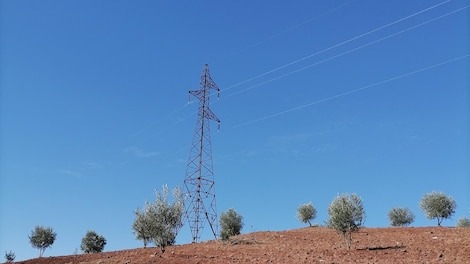
Arizona Public Service, the state’s largest electric utility, has filed for a general rate increase that would raise residential bills by roughly 14%, setting up a high-stakes regulatory fight over what customers will pay and how regulators allocate costs. Arizona Attorney General Kris Mayes has announced plans to intervene in the proceedings and oppose the proposed hike, framing it as a threat to affordability. The case arrives as customers already absorb separate fuel-cost adjustments and as regulators grapple with how to fairly split infrastructure expenses between solar and non-solar ratepayers.
Attorney General Draws a Line on Affordability
The proposed rate increase immediately drew political opposition. In an official statement, Attorney General Kris Mayes declared her office would “vigorously oppose” the APS filing and seek to intervene before the Arizona Corporation Commission to protect consumers. Mayes, a Democrat, characterized the request as a roughly 14% jump in residential rates, a figure that, if approved in full, would add a significant monthly charge to household budgets across the utility’s service territory. She framed the increase as especially burdensome for low- and fixed-income customers already struggling with inflation and summer cooling costs.
The AG’s intervention signals that the rate case will not proceed as a quiet regulatory proceeding. By formally joining the docket, Mayes’s office gains standing to cross-examine APS witnesses, submit testimony, and propose alternative rate structures. That kind of adversarial pressure can force utilities to justify every dollar of proposed spending, and it gives consumer interests a seat at the table alongside industry lawyers. The Arizona Office of Consumer Advocate also plays a role in representing residential ratepayers, though its position on this specific filing has not been publicly detailed in available records. For Arizona households, the central question is straightforward: how much of APS’s rising costs should land on monthly bills, and how quickly?
Fuel Costs Already Pushing Bills Higher
Even before the general rate case reaches a decision, APS customers are set to pay more starting March 1, 2025. The Arizona Corporation Commission approved a Power Supply Adjustment increase effective March 1, 2025, adding approximately $2.10 per month for a household using 1,050 kWh. The PSA mechanism is designed as a pass-through for fuel and purchased-power expenses, meaning APS earns no profit on the adjustment. According to the ACC, APS reported an undercollected fuel-cost balance of roughly $290 million, a shortfall regulators allowed the utility to begin recovering through the monthly surcharge.
That distinction matters because it separates two different kinds of bill increases. The PSA covers volatile commodity costs that fluctuate with natural gas prices and wholesale electricity markets. The general rate case, by contrast, asks regulators to reset the base rates that fund grid maintenance, new power plants, and corporate overhead. If both proceed as filed, customers would face layered increases: first the fuel surcharge already taking effect, then the broader 14% base-rate hike pending commission review. Critics of utility pricing often point out that customers rarely see these mechanisms broken out clearly on their bills, making it difficult to track which costs are rising and why, even though state transparency tools such as the OpenBooks spending portal aim to give the public clearer insight into government spending.
Solar Cost Shifts and the Grid Access Charge
A recurring tension in Arizona rate cases is how to divide costs between customers who generate rooftop solar power and those who do not. In December 2024, Commissioner Nick Myers voted to reduce cost shifts burdening non-solar APS customers, citing findings in Decision No. 79293 that residential rooftop solar customers pay less than 70% of their actual cost to serve. That gap means non-solar households effectively subsidize a portion of grid expenses that solar users avoid through reduced consumption from the utility. For regulators, the question is whether that cross-subsidy is an acceptable price for encouraging distributed clean energy, or an unfair burden on customers who lack the means or roof space to install panels.
The commission had already granted a limited rehearing on the Grid Access Charge tied to that same decision, narrowing the review to whether the charge is just and reasonable and whether it discriminates against certain customer classes. The GAC is the fee solar customers pay for remaining connected to the grid, and its level directly affects how attractive rooftop panels are as an investment. If regulators raise the charge, solar payback periods lengthen and adoption may slow. If they hold it steady, the cost gap identified in Decision No. 79293 persists, and non-solar ratepayers continue absorbing a disproportionate share of fixed infrastructure costs. This tension is likely to surface in the new rate case as well, because any general increase can be shaped by assumptions about which customers should bear which costs.
Formula Rate Plans and the Push Against Rate Shock
One less visible but consequential regulatory development is the ACC’s approach to Formula Rate Plans. In February 2025, the commission denied rehearing applications related to its FRP policy statement under Decision No. 79647. The ACC has framed these plans as non-automatic mechanisms intended to promote gradualism and prevent rate shock, meaning they are not a blank check for utilities to raise prices on a set schedule. Instead, each adjustment under an FRP would still require commission review, with the goal of matching revenue more closely to actual, audited costs while avoiding the long gaps between traditional rate cases that can leave utilities under-recovering expenses.
That framing carries real consequences for APS’s current filing. If the commission adopts a formula-based approach, future rate adjustments could happen more frequently but in smaller increments, smoothing out the kind of large, sudden increases that provoke public backlash. The tradeoff is that more frequent filings can reduce regulatory lag for the utility, allowing it to recover costs faster, while potentially making it harder for consumer advocates to mobilize opposition to any single adjustment. For households, the outcome will determine whether they face predictable, modest increases tied to measurable investments or continue to see occasional, double-digit proposals that trigger political intervention from officials like Mayes. The denial of rehearing leaves the commission’s current policy statement in place.
What’s at Stake for Arizona Households
The APS rate case is unfolding against a broader backdrop of state policy debates over affordability, climate resilience, and economic growth. Arizona’s official portal, az.gov, highlights priorities ranging from water security to infrastructure modernization, all of which intersect with electricity planning. As population growth and extreme heat drive up demand, utilities argue they must invest heavily in generation and transmission to keep the lights on. Consumer advocates counter that those investments should be scrutinized for cost-effectiveness and fairness, particularly when they translate into double-digit rate proposals for families already stretched thin.
Public engagement will help shape how that balance is struck. Residents who want to follow or weigh in on the APS case can monitor ACC dockets and watch for opportunities to submit public comments or attend commission meetings as the case proceeds. Voters who are concerned about long-term oversight of utilities can also ensure their registration is current through the Secretary of State’s election portal, since Corporation Commission seats and statewide offices that influence energy policy are decided at the ballot box. Ultimately, the outcome of this rate case will ripple beyond a single bill increase: it will signal how Arizona intends to allocate the costs of keeping a modern grid reliable, who shoulders the burden of the clean energy transition, and how aggressively state leaders are willing to defend affordability when utility finances and household budgets collide.
More From The Daily Overview
*This article was researched with the help of AI, with human editors creating the final content.

Cole Whitaker focuses on the fundamentals of money management, helping readers make smarter decisions around income, spending, saving, and long-term financial stability. His writing emphasizes clarity, discipline, and practical systems that work in real life. At The Daily Overview, Cole breaks down personal finance topics into straightforward guidance readers can apply immediately.

