
Andrew Wilson, an Australian native and former surfer, has orchestrated a remarkable $55 billion leveraged buyout (LBO) of Electronic Arts (EA). By leveraging his extensive industry connections, Wilson secured this monumental deal, marking a significant milestone in the gaming and technology sectors. This acquisition not only highlights Wilson’s strategic acumen but also underscores the evolving landscape of corporate mergers and acquisitions.
The Rise of Andrew Wilson
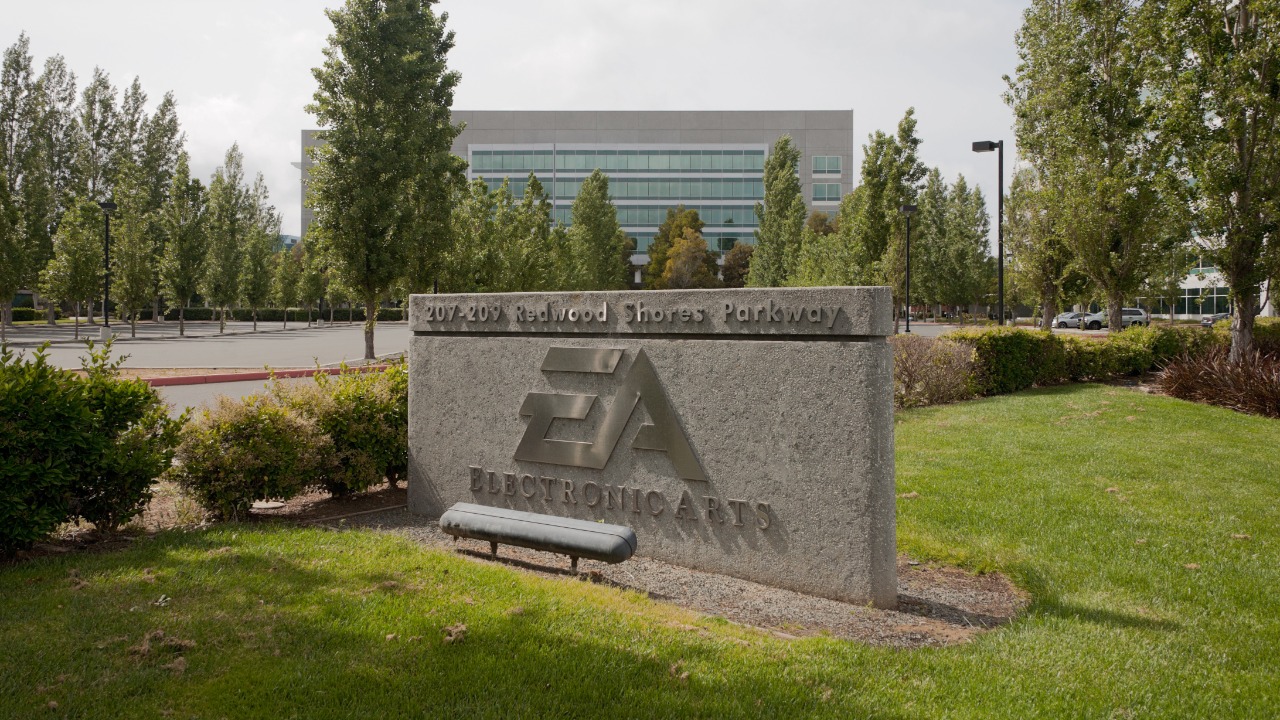
Andrew Wilson’s journey from the beaches of Australia to the boardrooms of the gaming industry is a testament to his tenacity and vision. Initially known for his passion for surfing, Wilson transitioned into the corporate world, where he quickly made a name for himself. His entry into the gaming industry was marked by a series of strategic roles that showcased his ability to adapt and innovate. Over time, Wilson’s leadership qualities became evident, leading to his ascent within Electronic Arts, where he eventually took on the role of CEO.
As CEO, Wilson implemented a series of strategic decisions that significantly elevated his status within the company. His focus on expanding EA’s digital offerings and enhancing user engagement through innovative gaming experiences positioned the company as a leader in the industry. Wilson’s ability to foresee market trends and adapt to changing consumer preferences played a crucial role in his rise to prominence. His leadership not only strengthened EA’s market position but also set the stage for the ambitious $55 billion leveraged buyout.
Wilson’s early career was marked by a series of strategic moves that laid the groundwork for his future success. After completing his education in Australia, he joined the gaming industry, where he quickly demonstrated his knack for understanding market dynamics and consumer behavior. His initial roles involved working closely with development teams, where he honed his skills in project management and product development. This hands-on experience provided him with a deep understanding of the gaming ecosystem, which later informed his strategic decisions as a leader.
Throughout his career, Wilson has been recognized for his innovative approach to leadership. He has consistently advocated for a culture of creativity and collaboration within EA, encouraging teams to push the boundaries of what is possible in gaming. His emphasis on fostering an inclusive and dynamic work environment has been instrumental in attracting top talent to the company, further strengthening EA’s competitive edge. Wilson’s leadership style, characterized by transparency and empowerment, has not only driven EA’s growth but also inspired a new generation of leaders within the organization.
The $55 Billion Deal

The $55 billion leveraged buyout of Electronic Arts is a landmark transaction in the gaming industry. This deal, orchestrated by Andrew Wilson, involved a complex financial structure designed to maximize value for stakeholders. The LBO was characterized by a strategic use of debt financing, allowing Wilson to acquire a controlling interest in EA while minimizing upfront capital expenditure. This approach not only demonstrated Wilson’s financial acumen but also highlighted his ability to navigate the intricacies of high-stakes corporate transactions.
Wilson’s extensive network of industry connections played a pivotal role in facilitating this groundbreaking deal. By leveraging relationships with key financial institutions and industry leaders, Wilson was able to secure the necessary funding and support to execute the buyout. This network, built over years of strategic partnerships and collaborations, proved instrumental in overcoming the challenges associated with such a large-scale acquisition. The successful completion of the deal underscores the importance of relationships in the corporate world and highlights Wilson’s ability to capitalize on his connections for strategic advantage.
The financial intricacies of the $55 billion deal were meticulously planned, involving a blend of equity and debt financing that balanced risk and reward. Wilson’s strategy included securing commitments from major financial institutions, which provided the necessary leverage to facilitate the acquisition. This approach not only minimized the immediate financial burden on EA but also positioned the company for sustainable growth by maintaining operational flexibility. The deal structure was designed to align with EA’s long-term strategic goals, ensuring that the company could continue to innovate and expand its market presence.
In addition to the financial aspects, the buyout process involved careful consideration of regulatory requirements and stakeholder interests. Wilson and his team worked closely with legal and financial advisors to navigate the complex landscape of corporate governance and compliance. This comprehensive approach ensured that the transaction adhered to all necessary regulations, thereby mitigating potential risks and ensuring a smooth transition. The successful execution of the buyout reflects Wilson’s ability to manage multifaceted challenges and underscores his commitment to achieving strategic objectives while safeguarding the interests of all stakeholders involved.
Impact on Electronic Arts

The immediate impact of the buyout on Electronic Arts is significant, with potential long-term implications for the company’s business strategy and market positioning. The infusion of capital and strategic oversight resulting from the LBO is expected to drive innovation and expansion within EA. This could lead to the development of new gaming experiences and the exploration of emerging markets, further solidifying EA’s position as a leader in the industry.
In terms of leadership dynamics, the buyout may bring about changes that align with Wilson’s vision for the company’s future. As the architect of the deal, Wilson is likely to have a substantial influence on EA’s strategic direction, potentially reshaping its corporate culture and operational priorities. His vision, characterized by a focus on digital transformation and consumer engagement, could redefine EA’s approach to gaming and technology, setting new benchmarks for the industry.
The buyout is expected to catalyze a new era of growth and innovation for Electronic Arts. With increased financial resources and strategic oversight, EA is poised to explore new avenues in gaming technology, including advancements in virtual reality and artificial intelligence. These technologies have the potential to revolutionize gaming experiences, offering more immersive and interactive environments for players. By investing in cutting-edge technologies, EA aims to set new industry standards and capture a larger share of the rapidly evolving gaming market.
Furthermore, the acquisition is likely to influence EA’s approach to partnerships and collaborations. Under Wilson’s leadership, the company may seek to forge alliances with other tech giants and gaming studios to leverage synergies and expand its global footprint. Such collaborations could enhance EA’s content offerings and distribution channels, providing players with a broader range of gaming experiences. The strategic realignment following the buyout is expected to reinforce EA’s position as a leader in the gaming industry, driving sustained growth and profitability in the years to come.
Broader Industry Implications

This monumental deal reflects broader trends in the gaming and technology sectors, particularly the increasing prevalence of mergers and acquisitions as companies seek to consolidate their market positions. The $55 billion buyout of EA is indicative of the growing importance of scale and resources in the competitive landscape of gaming. As companies strive to enhance their capabilities and expand their reach, strategic acquisitions are becoming a key component of corporate growth strategies.
The ripple effects of this deal are likely to be felt across the industry, influencing competitors and the overall market environment. With EA’s enhanced market power post-buyout, other companies may be prompted to pursue similar strategies to maintain their competitive edge. This could lead to a wave of consolidation within the industry, as firms seek to leverage synergies and optimize their operations. The deal also underscores the critical role of leadership and vision in navigating the complexities of the modern gaming landscape, setting a precedent for future transactions.
For more details on Andrew Wilson’s journey and the intricacies of the $55 billion deal, you can read the full article on The Wall Street Journal.

Grant Mercer covers market dynamics, business trends, and the economic forces driving growth across industries. His analysis connects macro movements with real-world implications for investors, entrepreneurs, and professionals. Through his work at The Daily Overview, Grant helps readers understand how markets function and where opportunities may emerge.