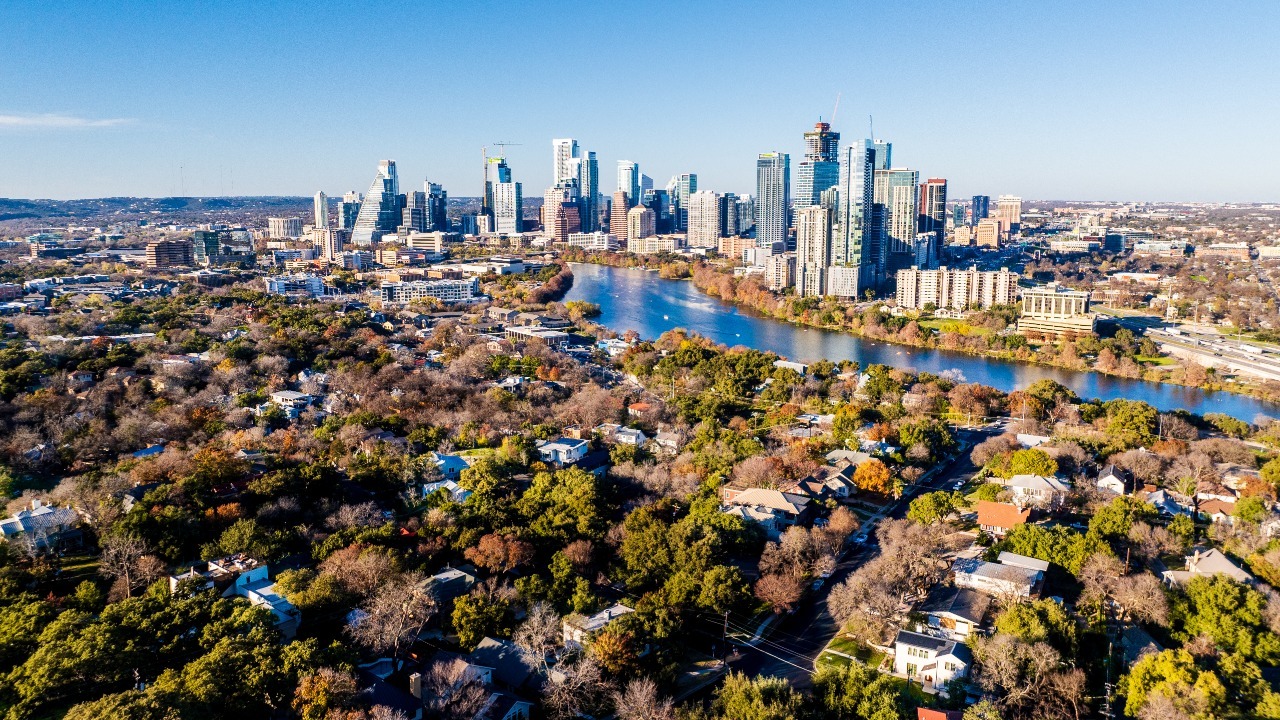
Austin’s once white-hot housing market has cooled so sharply that some agents now complain their listings just sit, and a few have started grumbling about a “Rogan effect,” arguing that the city’s most famous transplant helped inflate expectations on the way up and is now a symbol of the comedown. The reality is more complicated. Prices are slipping, inventory is high and buyers suddenly have leverage, but the data shows a broad market reset rather than a celebrity-driven collapse.
To understand why homes are lingering and why some realtors are looking for a scapegoat, I followed the numbers from local boards, national platforms and neighborhood-level chatter. Together they show a city moving from pandemic boomtown to one of the country’s most buyer-friendly markets, with Joe Rogan’s Lake Austin compound serving more as a convenient metaphor than a causal force.
The boomtown hangover hits Austin sellers
The first thing that undercuts the idea of a purely personality-driven slump is how widespread the correction has become. A recent analysis of the Austin metro found that home values have logged one of the steepest declines in the United States, according to a Zill based report. Another slice of that data, shared by Austin Board of, shows median values slipping a little over 1 percent year over year, a modest-sounding figure that sits on top of a much larger drop from the peak. For owners who bought at the top of the frenzy, that shift is the difference between easy equity and the risk of selling at a loss.
That risk is no longer hypothetical. A televised breakdown of a new study on home selling risks reported that nearly half of the properties bought in Austin after the pandemic would likely sell at a loss if they hit the market today. That aligns with what I hear from agents who say their phones are full of nervous owners who stretched for a house in 2021 or 2022 and now feel trapped. When those homes do list, they are competing in a city that, according to another buyers’ market analysis, has shifted decisively in favor of purchasers.
From bidding wars to “sticky” prices and record inventory
The most striking change is not just that prices are lower, it is that homes are taking longer to move. On a popular local forum, one detailed thread on how quickly homes describes a market where listings linger for weeks unless they are aggressively priced. One commenter captured the mood by saying the problem is that prices have been “sticky” on the way down, with Sellers slow to accept that buyers now expect either a discount or significant concessions.
That stickiness is colliding with a flood of supply. Another Austin discussion points out that the city now leads the nation, with one user bluntly arguing that this is “Because sooo many people bought during the boom years and are now trying to sell and don’t want to lose.” Professional data backs that up. A local brokerage notes that Inventory has improved to roughly a 5.6-mo supply, a level that gives buyers room to breathe and, crucially, more negotiating power.
A market that has “lost its urgency”
Local agents describe 2025 as the year when the frenzy finally broke. One year-end market review quoted a broker saying that, Jan through the spring, “Early in the year, we saw the effects of rate sensitivity, price hesitations and a flood of new listings that pushed inventory higher,” before adding that the shift was creating a healthier, more sustainable market over time. That assessment, captured in a December recap, matches what I hear from buyers who say they no longer feel compelled to waive inspections or bid tens of thousands over asking.
National platforms have noticed the same pattern. One ranking of major metros now puts Austin near the top of the list for buyers, with Austin ranked No. 2 buyer’s market among the country’s 50 largest metro areas. A follow up piece on the same data, focused on local readers, framed it more bluntly: Austin ranked No. among buyer-friendly big cities, a status that would have been unthinkable during the pandemic surge.
Enter Joe Rogan, the $14.4 Million symbol
Into this broader reset walks Joe Rogan, whose move from Southern California to a Million Mansion On became a shorthand for the city’s pandemic-era allure. Coverage of that purchase highlighted that he paid about $14.4 M for the property, describing it as a $14.4 Million estate that embodied the “More Freedom” pitch behind Why Joe Rogan Left Los Angeles. A separate profile of the move, framed around More Freedom, cast the relocation as a lifestyle upgrade and a business decision that would allow broader platform distribution.
Now that same house is being used to illustrate the downturn. Multiple reports say Joe Rogan‘s Texas home has dropped about 20 percent in value as the Austin market has cooled. A deeper dive into that story notes that the decline has unfolded in one of the top pandemic era housing markets, a point underscored in a separate What New segment that ties the drop directly to Austin’s broader slide. A parallel write up on another platform repeats that Joe Rogan’s Texas home has dropped a whopping 20 percent in value in the Austin downturn, using Rogan as a stand in for thousands of less famous owners whose equity has shrunk just as quickly.
Is there really a “Rogan effect” on sales?
When I talk to agents who invoke a “Rogan effect,” what they usually mean is not that Joe Rogan personally moves the market, but that his arrival helped cement Austin’s image as a luxury magnet where prices could only go up. That narrative is now colliding with harder realities. A detailed breakdown of the metro’s slide notes that AUSTIN is now well below its peak, with typical homes worth significantly less than they were this time last year. Another segment of that coverage, citing Tuesday figures from The Austin Board of Realtors, underscores that the decline is broad based, not confined to celebrity enclaves along Lake Austin.
At the same time, national consumer reporting offers a useful parallel. A profile of Martha Williams, described as a US Real Estate & Consumer Reporter, notes that a growing chorus of shoppers say standards are slipping, with rising prices at the checkout pushing some loyal customers to look elsewhere, a sentiment captured in a Martha Williams profile. The same dynamic is playing out in Austin housing. Buyers who once tolerated high prices and waived contingencies are now more demanding, and when they see a luxury property like Joe Rogan’s Texas estate lose 20 percent of its value, they take it as proof that patience pays. That perception is reinforced by repeated coverage of how Joe Rogan’s Texas home has dropped 20 percent in Austin, including a widely shared Rogan focused piece that again ties his loss in value to Austin’s status as one of the top pandemic era housing markets.
More From TheDailyOverview
This article was researched with the help of AI, with editors refining and creating the final content.

Elias Broderick specializes in residential and commercial real estate, with a focus on market cycles, property fundamentals, and investment strategy. His writing translates complex housing and development trends into clear insights for both new and experienced investors. At The Daily Overview, Elias explores how real estate fits into long-term wealth planning.

