
Living below your means is a timeless strategy that promises financial stability and peace of mind. As someone who has navigated the world of frugality, I have learned firsthand from expert Austin Williams on how to effectively manage finances. Here are eight practical steps to help you live below your means without compromising on the quality of life.
Assess Your Financial Situation

The first step is to thoroughly assess your financial situation. This involves taking a deep dive into your income, expenses, debts, and savings. Start by listing all your income sources and monthly bills, including rent, utilities, groceries, and any subscriptions. Understanding where your money is going is crucial for making informed financial decisions. By being aware of your financial state, you can identify areas that need improvement and create a plan to address them.
Using tools like Mint or YNAB (You Need A Budget) can simplify this process, providing a clear overview of your financial health. With this information at your fingertips, you’ll be better equipped to tackle unnecessary expenses and focus on what truly matters.
Create a Detailed Budget
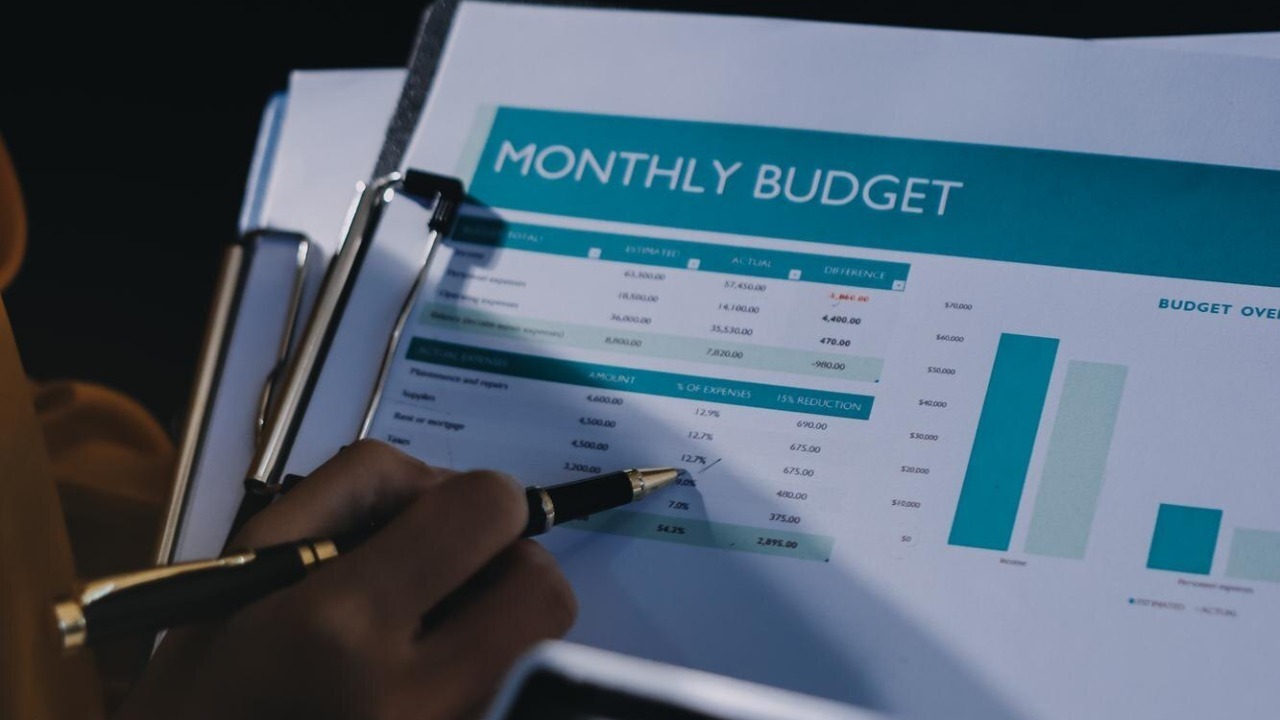
Once you have a clear understanding of your financial situation, the next step is to create a detailed budget. This budget should include all your income and categorize your expenses into essential and non-essential categories. Make sure to account for irregular expenses like car maintenance or annual insurance premiums.
By setting spending limits in each category, you can ensure that your expenses do not exceed your income. A budget acts as a roadmap, guiding your spending and helping you make smarter financial decisions. Reviewing your budget regularly is key to staying on track and adapting to any changes in your financial circumstances.
Prioritize Essential Expenses

Prioritizing essential expenses is vital when living below your means. Focus on necessities like housing, utilities, food, and transportation before considering discretionary spending. Evaluate your current expenses and determine if there are cheaper alternatives or ways to reduce costs, such as cooking at home instead of dining out or using public transportation.
By prioritizing what truly matters, you can ensure that your basic needs are met without overspending. This mindset not only helps in maintaining financial stability but also encourages a more mindful approach to spending.
Embrace the Art of Saving
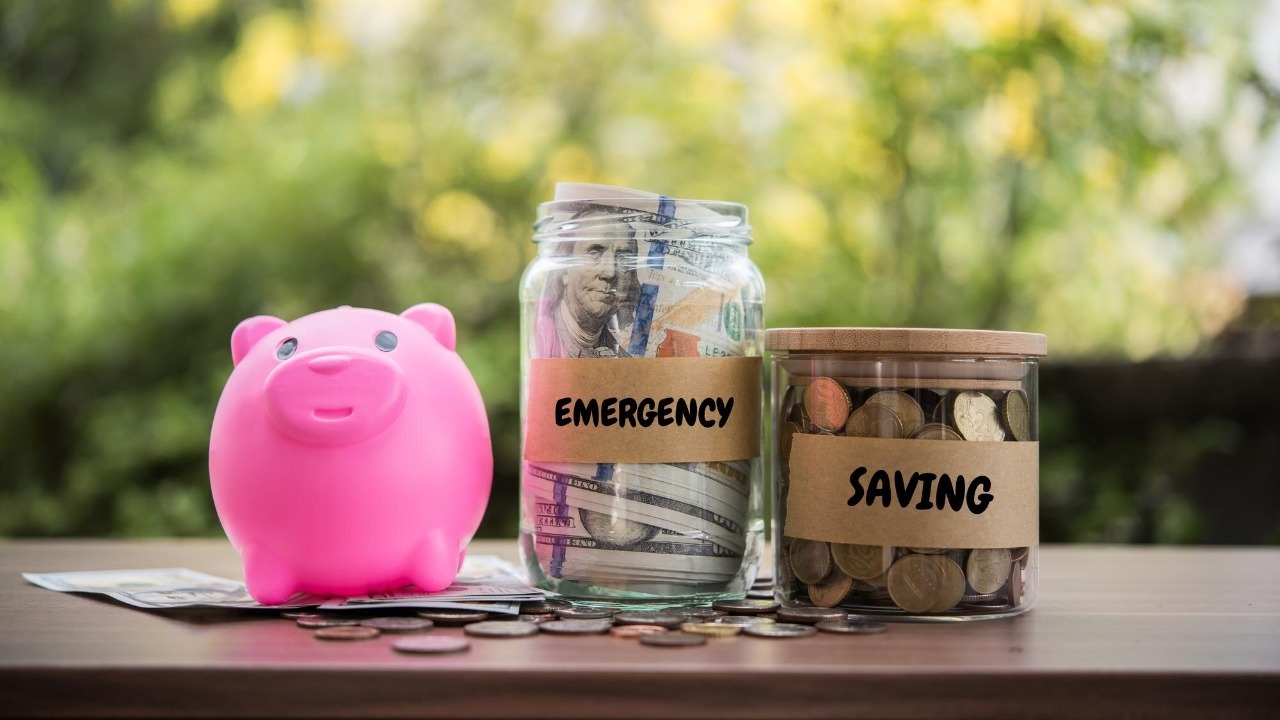
Saving is a cornerstone of frugal living. Set aside a portion of your income for savings and treat it as a non-negotiable expense. Automate your savings if possible, to ensure consistency and discipline. Aim to build an emergency fund that covers at least three to six months of living expenses.
Long-term savings goals such as retirement or a home purchase should also be considered. Whether it’s through a high-yield savings account or investment options like a Roth IRA, saving consistently will provide a financial cushion for the future.
Find Affordable Alternatives

Being frugal doesn’t mean depriving yourself, but rather finding affordable alternatives that offer similar satisfaction. From buying generic brands to opting for second-hand items, there are numerous ways to enjoy quality without breaking the bank.
Consider alternatives like streaming services instead of cable TV or purchasing refurbished electronics. By being open to more cost-effective options, you can maintain your lifestyle while keeping your expenses in check.
Practice Mindful Spending

Mindful spending is about being intentional with your purchases. Before making any purchase, ask yourself if it’s a need or a want, and evaluate its impact on your budget. This practice can prevent impulse buys and encourage thoughtful consumption.
Consider implementing a 24-hour rule for non-essential purchases, giving yourself time to decide if it’s truly necessary. By cultivating mindfulness in spending, you align your financial habits with your long-term goals.
Avoid Lifestyle Inflation

As your income increases, it can be tempting to upgrade your lifestyle. However, avoiding lifestyle inflation is crucial for living below your means. Instead of increasing your expenses proportionally with your income, focus on saving or investing the extra funds.
By maintaining your current lifestyle, you can accelerate your financial goals and build wealth over time. This approach fosters long-term financial security and reduces the risk of financial stress.
Continuously Review and Adjust

Your financial situation and goals are likely to change over time, so it’s important to continuously review and adjust your budget and spending habits. Regularly assess your financial progress, identify areas for improvement, and make necessary adjustments to stay aligned with your objectives.
Whether it’s a change in income, unexpected expenses, or new financial goals, being flexible and adaptive ensures that you remain on track. Consistent review and adjustment are key to sustaining a lifestyle that aligns with your values and financial aspirations.

Cole Whitaker focuses on the fundamentals of money management, helping readers make smarter decisions around income, spending, saving, and long-term financial stability. His writing emphasizes clarity, discipline, and practical systems that work in real life. At The Daily Overview, Cole breaks down personal finance topics into straightforward guidance readers can apply immediately.
