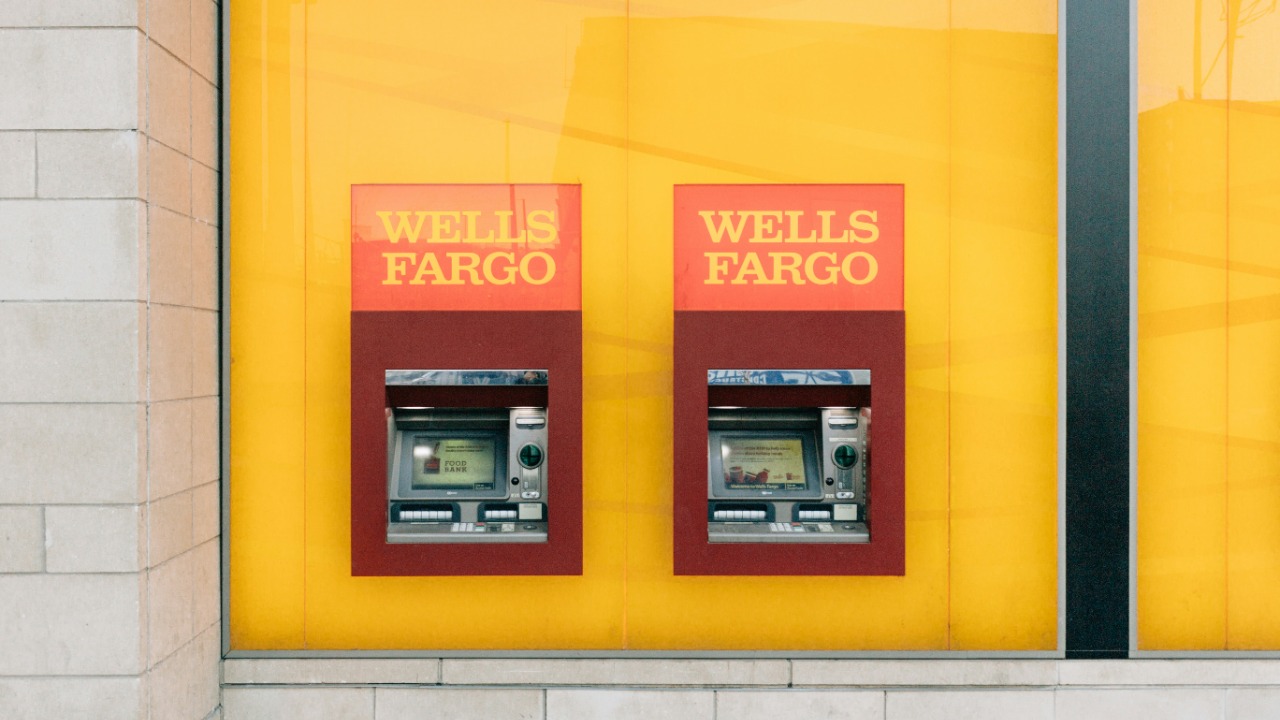
By the time Irving Rosenberg realized his life savings were gone, the money had already been siphoned away through forged paperwork and suspicious withdrawals that no one at his bank stopped. The 90-year-old Southern California resident, who moves slowly and struggles with hearing loss, suddenly found more than $800,000 missing from the account he had built over a lifetime of work. His family says the bank initially refused to help, treating the loss as his problem to solve rather than a failure of the safeguards he trusted.
Only after his case became public did the institution reverse course and restore the funds, a pattern that mirrors other high-dollar scams targeting older Americans. The core question is not just how one man was robbed, but why a system designed to detect fraud seems to work best when television cameras are rolling.
The day a lifetime of savings vanished
Irving Rosenberg is 90, and relatives describe him as someone for whom even basic tasks like Walking across a room can be a challenge. That physical vulnerability, combined with impaired hearing, left him poorly positioned to spot subtle changes in his bank statements or to navigate complex customer-service channels once the money disappeared. According to family members, more than $800,000 was drained from his Wells Fargo account through transactions he did not authorize, including at least one document where his signature was allegedly forged.
Rosenberg told reporters that he only learned what had happened after the withdrawals had already cleared and his balance had been gutted. He and his nephew say they repeatedly contacted the bank, but the institution initially denied his fraud claim and sent a letter rejecting responsibility, even though the disputed paperwork contained a signature that relatives insist did not match his own. One detailed account of the case describes how the 90-year-old customer was left to absorb an $814 thousand loss after the bank concluded he had waited too long to report it.
‘We can’t help’ – until the cameras arrive
What changed was not new evidence, but public pressure. After Rosenberg’s family turned to a local consumer segment called 7 On Your Side, reporter Carlos Granda began asking why a 90-year-old customer with obvious mobility and hearing issues had been left on his own. Coverage of the case notes that the program’s team pressed the bank about the forged signature and the pattern of large withdrawals, and that staff in the branch eventually acknowledged the handwriting did not look like Rosenberg’s. One report on Irving Rosenberg describes how that scrutiny finally triggered a response from the bank’s executive office.
After 7 On Your Side got involved, Rosenberg’s nephew said the bank, which had previously gone silent, suddenly began calling and offering to revisit the claim. A follow up segment explains How the On Your Side team pushed the issue until Wells Fargo agreed to reimburse the stolen funds, a reversal that came only after the story aired and the forged signature was highlighted on camera. In one clip, the reporter reminds Rosenberg that his nephew had said the bank was not contacting them at all, and Rosenberg replies that after the station called, the outreach began, a sequence captured in a short video shared on YouTube.
A pattern of elder victims left exposed
Rosenberg’s ordeal is not an outlier, it is part of a broader pattern in which older adults are targeted for six-figure scams while institutions and law enforcement struggle to keep up. In North Carolina, a 98-year-old woman in Johnston County was tricked into sending about $800,000 to people who convinced her she needed to move her money to protect it, a case that investigators say has so far produced no criminal charges. Two officials, identified as Dea and Brostrom, told reporters they had even spoken with individuals they believe were earning commissions from the scheme, yet the alleged scammers remained out of reach, a detail laid out in coverage of the 98-year-old victim.
In Pennsylvania, The Brief from a station in Delaware County recounts how a woman there lost $800,000 after a pop-up window on her laptop convinced her that her accounts were compromised and that she needed to move funds under the guidance of supposed “support” staff. Investigators in that case are working with the FBI, but the psychological manipulation left the victim describing the experience as a kind of mental captivity, a story detailed in reporting on the $800,000 Delaware County scam. When I line these cases up, the common thread is not just age, it is the way sophisticated scammers exploit trust, fear and technology faster than banks and police can respond.
Inside the bank’s risk calculus
From the bank’s perspective, every fraud claim is a potential liability, and the incentives are tilted toward denying responsibility unless the evidence is overwhelming or the reputational risk becomes too high. A summary of Rosenberg’s case on a financial site notes that the 90-year-old customer lost $814,000 and that Wells Fargo initially rejected his claim, only to reimburse him later, a sequence described in a post titled Wells Fargo Initially. The bank later framed the payout as consistent with its commitment to fraud prevention, but the timing suggests that public scrutiny, not internal controls, tipped the scales.
Another analysis of the episode argues that Rosenberg’s case ended well only because a TV station got involved, and that There are several recent examples of elderly Wells Fargo customers who did not get their money back after similar scams. That piece, which warns readers Why they must always flag big withdrawals even if they trust their bank, points out that the 90-year-old victim’s hearing loss meant he missed alerts that might have signaled trouble, a vulnerability highlighted in the Rosenberg coverage. When banks lean on fine print and notification logs to deny claims from people who can barely hear the phone ring, they are effectively shifting systemic risk onto those least able to manage it.
How the scam slipped past safeguards
One of the most troubling aspects of Rosenberg’s story is how the mechanics of the fraud threaded through multiple layers of supposed protection. Reports indicate that the scammers used forged documents to authorize large transfers, and that staff later noticed the signature was fake only after the family raised alarms. A detailed local account explains How employees in the branch, when shown the disputed paperwork, acknowledged that the handwriting did not resemble Rosenberg’s, a moment captured in the segment linked through How the investigation unfolded.
Yet despite that red flag, the bank’s initial internal review still concluded that the transactions were valid and that Rosenberg had failed to report them in time. A separate write up notes that Rosenberg received a letter from the bank denying his claim even after he had contacted the branch, a sequence described in detail in a Yahoo article. That suggests the problem is not only at the teller window but inside the algorithms and policies that decide which cases are treated as fraud and which are written off as customer error.
More From The Daily Overview
*This article was researched with the help of AI, with human editors creating the final content.

Grant Mercer covers market dynamics, business trends, and the economic forces driving growth across industries. His analysis connects macro movements with real-world implications for investors, entrepreneurs, and professionals. Through his work at The Daily Overview, Grant helps readers understand how markets function and where opportunities may emerge.