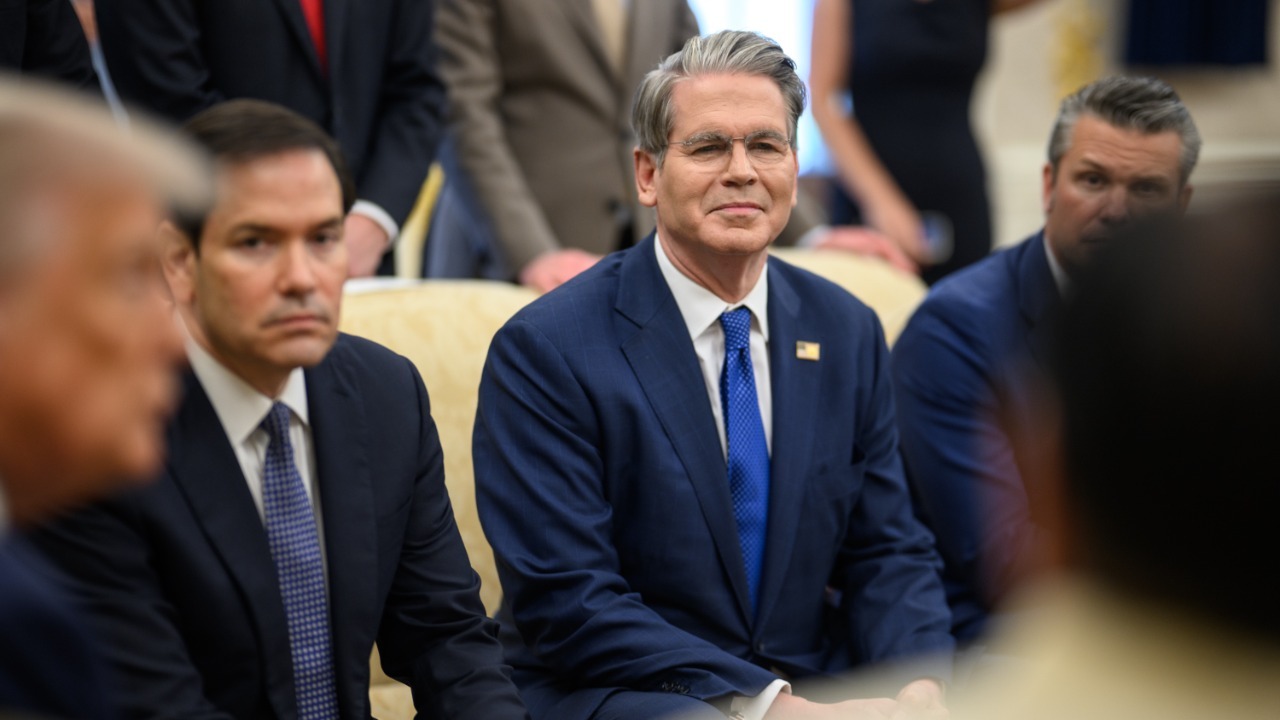
Investors are bracing for another bout of price pressure, and the easy political story is to blame tariffs. Jason Bessent is pushing back on that narrative, arguing that the latest inflation flare-up is rooted in deeper forces inside the economy rather than in the White House’s trade brinkmanship. I see his argument as a test of whether markets still understand the difference between one-off price shocks and the kind of persistent inflation that really forces the Federal Reserve’s hand.
Why Bessent is discounting tariffs as the main inflation engine
Bessent’s core claim is straightforward: tariffs can nudge prices higher at the margin, but they are not the primary reason inflation has reaccelerated. In his view, the bigger story is that demand has stayed surprisingly resilient while supply-side improvements that helped cool prices in 2023 have largely run their course. That framing matters because it suggests investors should pay more attention to domestic cost pressures and wage dynamics than to the latest tariff headline.
When I look at the recent data, it backs up the idea that tariffs are a secondary factor rather than the main culprit. Measures of core inflation that strip out volatile food and energy have picked up even in categories that are not especially exposed to imported goods, which undercuts the argument that trade policy alone is driving the move. At the same time, services prices tied to labor costs have stayed firm, a pattern that aligns more closely with Bessent’s focus on internal economic momentum than with a tariff shock story. Core services inflation and wage-sensitive categories have both shown renewed strength, reinforcing his point that the inflation problem is broader than customs duties.
How tariffs actually feed into prices
To understand why Bessent is skeptical of tariffs as the main driver, it helps to unpack how they work their way into inflation. Tariffs are essentially taxes on imported goods, and companies can respond in several ways: absorb the hit in their margins, pass it on to consumers, or reconfigure supply chains to avoid the duties. In practice, the impact on headline inflation depends on how broad the tariffs are, how quickly firms can adjust, and whether consumers have alternatives.
Recent research on earlier tariff rounds found that some categories, such as certain electronics and household appliances, did see noticeable price increases, but the overall effect on the consumer price index was modest compared with the swings caused by energy prices, housing costs, and pandemic-era supply disruptions. That pattern appears to be repeating. Even as new trade measures have been announced, the most persistent inflation pressure has come from areas like shelter and medical services, which are only loosely connected to imported goods. Studies of tariff pass-through and CPI component breakdowns show that while tariffs can be inflationary, they rarely dominate the overall price picture.
The domestic forces Bessent says are really pushing prices higher
Where Bessent is more concerned is with the homegrown drivers of inflation that have proved stubborn even as supply chains normalized. He points to a labor market that, while cooler than its post-pandemic peak, still features historically low unemployment and solid wage gains. That combination keeps household spending power elevated, which in turn allows companies in sectors like travel, dining, and healthcare to raise prices without losing customers.
On top of that, structural constraints in housing and services are limiting the economy’s ability to expand supply quickly enough to meet demand. A shortage of construction workers, restrictive zoning, and higher financing costs have all slowed the pace of new housing, keeping rents and owners’ equivalent rent elevated in the inflation data. Similarly, capacity limits in areas such as childcare and eldercare have pushed up prices as families compete for scarce slots. Data on shelter inflation, wage growth, and services capacity support Bessent’s argument that these domestic bottlenecks, not tariffs, are doing most of the work in keeping inflation sticky.
Why the Fed’s reaction function matters more than tariff headlines
If Bessent is right that tariffs are not the main story, the logical next question is how the Federal Reserve will respond to this mix of resilient demand and sticky domestic inflation. I see his argument as a warning that markets may be underestimating how long interest rates will need to stay restrictive if core prices keep running above the Fed’s target. Tariffs might grab attention, but they are unlikely to change the central bank’s path unless they feed into broader expectations and wage bargaining.
Fed officials have repeatedly signaled that they are watching measures of underlying inflation and inflation expectations more closely than any single policy shock. Surveys of households and market-based gauges of expected inflation have ticked up only modestly, suggesting that people still believe the Fed will eventually bring price growth back toward 2 percent. That gives policymakers some room to look through tariff-related noise and focus on the underlying trend. Recent commentary from Fed meeting minutes and inflation expectations data indicates that officials are more concerned about persistent services inflation and wage growth than about the direct impact of new trade measures.
What Bessent’s view means for investors and policymakers
For investors, Bessent’s argument is a reminder to separate political narratives from the mechanics of inflation. If tariffs are not the primary driver of rising prices, then trading every tariff announcement as if it were a game-changing macro shock is likely to be a losing strategy. Instead, I would focus on sectors most exposed to domestic cost pressures, such as housing-related industries, labor-intensive services, and companies with limited pricing power that may see margins squeezed if wage growth stays firm.
For policymakers, the takeaway is more sobering. If inflation is being driven mainly by structural issues in housing, labor supply, and services capacity, then neither tariff rollbacks nor new trade barriers will deliver much relief. Addressing those pressures would require politically difficult steps, from easing land-use rules to expanding workforce training and childcare support. The latest readings on labor force participation, housing supply, and services prices all point in the same direction Bessent does: the inflation fight is now less about imported goods and more about the country’s own economic constraints.
More From TheDailyOverview
- Dave Ramsey warns to stop 401(k) contributions
- 11 night jobs you can do from home (not exciting but steady)
- Small U.S. cities ready to boom next
- 19 things boomers should never sell no matter what

Grant Mercer covers market dynamics, business trends, and the economic forces driving growth across industries. His analysis connects macro movements with real-world implications for investors, entrepreneurs, and professionals. Through his work at The Daily Overview, Grant helps readers understand how markets function and where opportunities may emerge.

