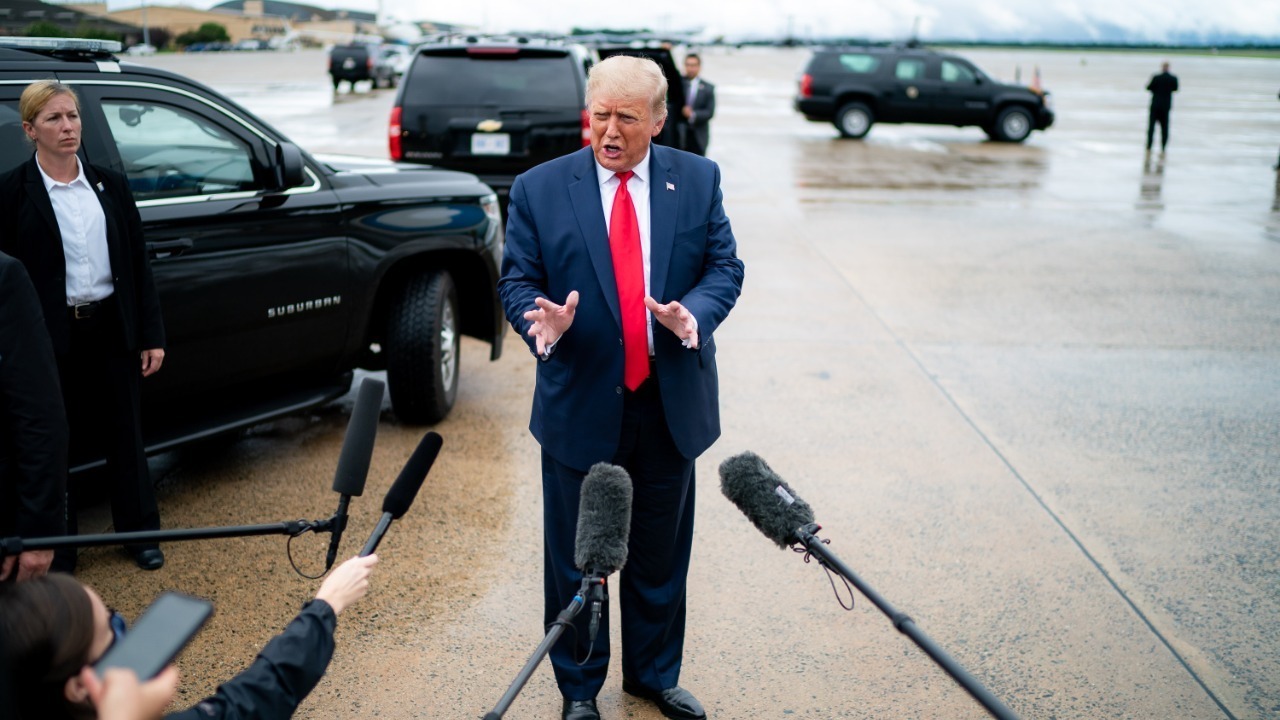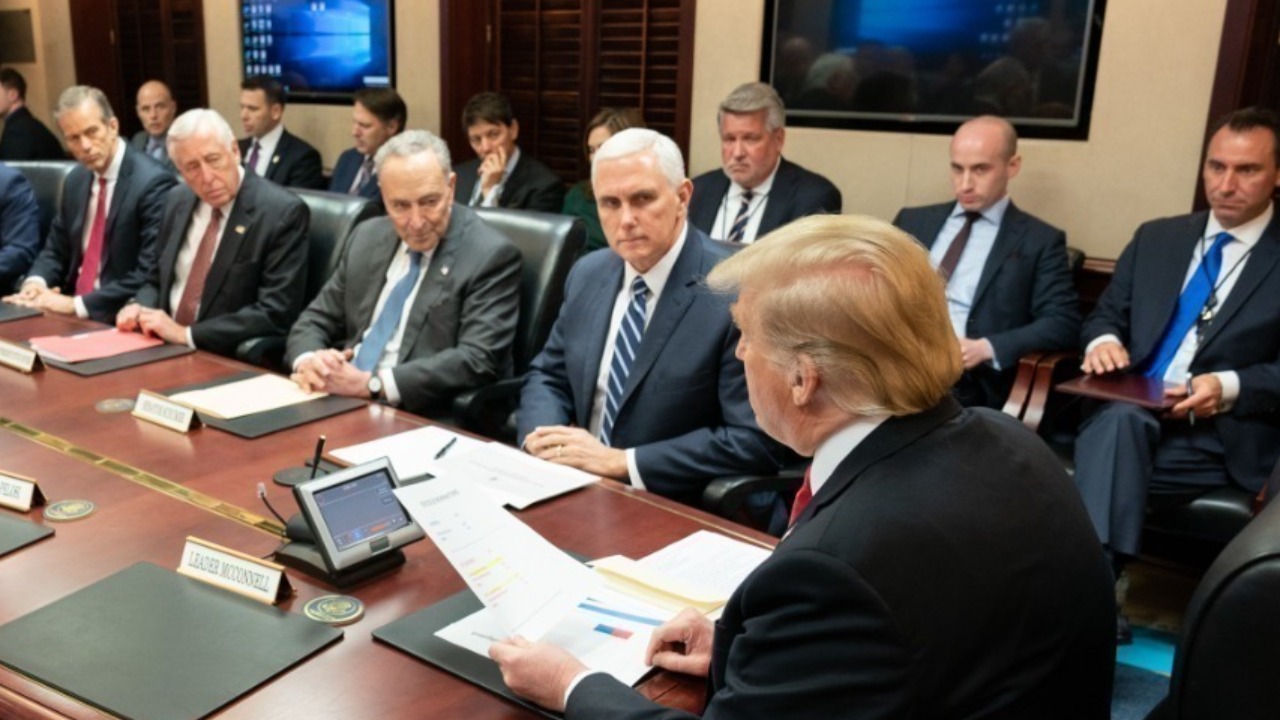
Big bank stocks sold off sharply after President Donald Trump floated a hard ceiling on credit card interest, a political sound bite that instantly translated into billions of dollars in lost market value. The reaction underscored how a single comment about capping rates can rattle a sector that has grown dependent on high-cost plastic to power profits.
Investors were not just reacting to the headline, they were repricing the entire business model behind unsecured consumer lending, from the largest banks to the major card networks. I see the move as a rare moment when retail borrowers and Wall Street traders are focused on the same number: the maximum rate that lenders are allowed to charge.
Trump’s 10% line in the sand hits bank valuations
The immediate trigger for the selloff was President Donald Trump’s weekend declaration that credit card interest should be capped at 10 percent, a level far below what many borrowers currently pay. Bank stocks fell on Monday as traders tried to gauge how much earnings power could evaporate if that political line in the sand ever became law, a shift that was captured in early market coverage of the broad Bank declines. The move was not confined to one ticker, it was a sector wide repricing that reflected how central revolving credit has become to big bank balance sheets.
Traders had already been watching financials closely, so when President Donald Trump’s comments surfaced, the group of large lenders slid in premarket trading and stayed under pressure through the session. Live market updates noted that Stocks tied to the biggest institutions, including names like Chase, shed more than 2 percent as investors digested the idea that a core revenue stream might be politically constrained. I read that as a sign that the market is now assigning a real, if still uncertain, probability to legislative or regulatory follow through.
Credit card giants and lobbyists brace for a new reality
The pain was even more acute for the companies most exposed to plastic, where interest income and fees are the lifeblood of the business. Major card issuers and networks dropped after the remarks, with Major credit card stocks sliding as traders tried to map a 10 percent cap onto portfolios that currently carry far higher average annual percentage rates. Industry groups quickly warned that such a move would be “devastating” for their economics, arguing that it would force them to pull back from riskier borrowers and cut rewards that consumers have come to expect.
Behind the scenes, the bank lobby moved fast to frame the proposal as a threat to credit access rather than a consumer win. Reporting on the reaction from trade groups highlighted how Stocks for credit card issuers, including Citi, JPMorganChase and Bank of America, all fell on Monday morning in response to Trump’s social media announcement. I see that coordinated messaging as an early attempt to shape the political battlefield, signaling that any cap would be met with fierce resistance from lenders that have long relied on double digit rates to offset charge offs.
From populist promise to balance sheet math
Trump’s push for a 10 percent ceiling is not emerging in a vacuum, it taps into years of Republican criticism of the main federal consumer watchdog. Republicans have long accused the agency that polices financial products of overreaching, and Republicans in the Trump administration have already halted much of that watchdog’s work. I read the new rate cap rhetoric as a way for Trump to claim the mantle of consumer champion on his own terms, without empowering an agency his allies distrust.
The president has also escalated his broader fight with monetary policymakers, telling reporters that Lenders will be “in violation of the law” if they do not cap interest rates at 10 percent and tying that stance to his criticism of the Federal Reserve and Chair Jerome Powell. Market coverage noted that Lenders heard that warning on a Sunday, just before the new trading week, which amplified the shock when shares of Capital One and other card heavy banks opened lower. That timing helped turn a policy trial balloon into an immediate market event.
What a 10% cap would mean for consumers and markets
For households juggling balances on cards that often charge more than 20 percent, the idea of a 10 percent ceiling sounds like overdue relief. Analysts caution, however, that a hard cap could wipe out billions of dollars in interest income for banks and card issuers, forcing lenders to rethink underwriting, rewards and even the basic scale and pricing of their card businesses. I expect that if a cap gained traction, banks would respond by tightening credit lines, raising annual fees or steering borrowers toward other, less regulated forms of debt.
The market reaction in individual names shows how seriously investors are taking that scenario. Data for JPMorgan Chase & Co JPM:NYSE, for example, recorded a Close at 324.49, a decline of 4.70, or 1.43%, with a 52 week range between 202.16 and 337.25, figures that frame how far a premier franchise can swing when policy risk spikes. For retail investors tracking those moves through tools like Google Finance, the message is clear: a single Jan comment from Trump about capping credit card interest rates can move markets as surely as any earnings report, and the debate over where that cap should sit is only just beginning.
More From TheDailyOverview

Silas Redman writes about the structure of modern banking, financial regulations, and the rules that govern money movement. His work examines how institutions, policies, and compliance frameworks affect individuals and businesses alike. At The Daily Overview, Silas aims to help readers better understand the systems operating behind everyday financial decisions.