Jeff Bezos, the founder of Amazon and one of the wealthiest individuals in the world, has an extensive real estate portfolio that spans across the globe. With his immense wealth, it’s fascinating to consider just how many homes he could potentially purchase in various cities. Let’s explore this intriguing question by examining real estate values and comparing them to Bezos’s financial power.
Understanding Bezos’s Wealth
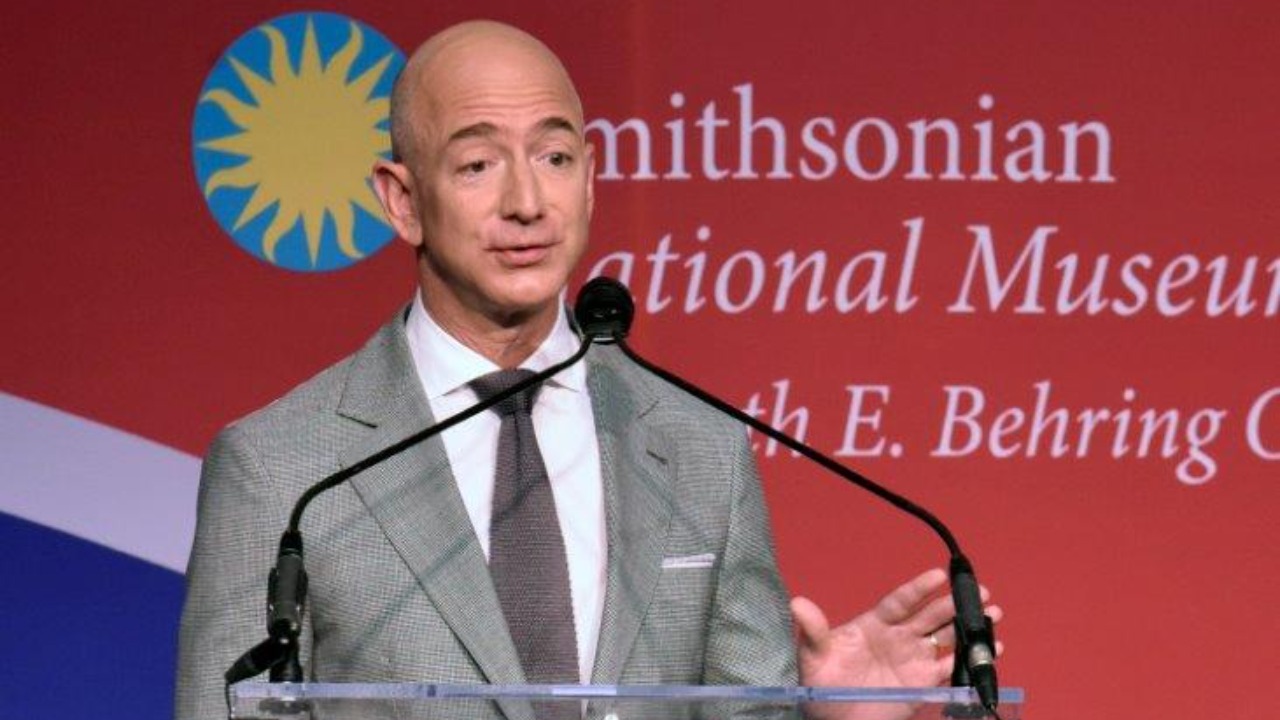
Jeff Bezos’s wealth is nothing short of extraordinary. As of 2023, his net worth hovers around $150 billion, making him one of the wealthiest individuals on the planet. This financial prowess allows him to invest heavily in real estate, boasting a portfolio that includes properties in renowned locations such as New York City, Washington D.C., and Los Angeles. His investments are not just limited to residential properties; Bezos has also acquired significant commercial real estate, further diversifying his holdings.
Bezos’s existing real estate investments, valued at hundreds of millions, reflect his strategic approach to wealth management. According to House Beautiful, his portfolio includes a $165 million Beverly Hills estate, a $23 million townhouse in Washington D.C., and several other luxurious properties. When compared to the average homebuyer in your city, Bezos’s purchasing power is astronomical, allowing him to buy entire neighborhoods if he wished.
The Real Estate Landscape in Your City
Understanding the local real estate landscape is crucial to evaluating Bezos’s potential impact. In your city, the current average home price might range from $300,000 to $500,000, depending on various factors such as location and market demand. Recent trends indicate a steady increase in property values, driven by a combination of low interest rates and a growing population seeking urban living.
Several factors contribute to the fluctuations in local real estate prices, including economic conditions, employment rates, and urban development projects. Compared to national averages, your city’s housing market may offer more affordable options, attracting diverse buyers. However, the presence of ultra-wealthy individuals like Bezos could significantly alter this dynamic, potentially making it more challenging for average buyers to compete.
Calculating the Possibilities: Homes Bezos Could Buy

To determine how many homes Bezos could purchase in your city, we must first calculate the average home price and divide his net worth by this figure. For example, if the average home costs $400,000, Bezos could theoretically buy 375,000 homes with his $150 billion fortune. This number represents a significant portion of the housing stock in most urban areas.
In a hypothetical scenario, Bezos could diversify his purchases by acquiring homes in different neighborhoods, ranging from luxury districts to more affordable areas. Such a large-scale acquisition would undoubtedly impact the local real estate market, driving up prices and reducing availability. This could lead to gentrification, displacing long-term residents and altering the community fabric.
The Impact of Wealth on Real Estate Markets

The influence of ultra-wealthy individuals on real estate markets is a topic of much debate. Large-scale purchases by billionaires can exacerbate housing affordability issues, as seen in cities like San Francisco and New York. When individuals like Bezos enter a market, they can drive up prices, making it difficult for average citizens to find affordable housing.
Historically, there have been instances where billionaires have significantly influenced local real estate markets. An example is the impact of tech moguls in Silicon Valley, which led to a housing crisis due to increased demand and limited supply. Policymakers are now exploring strategies to mitigate such impacts, including implementing taxes on luxury properties and creating affordable housing initiatives to maintain market stability.
Bezos’s Real Estate Influence Beyond Homes
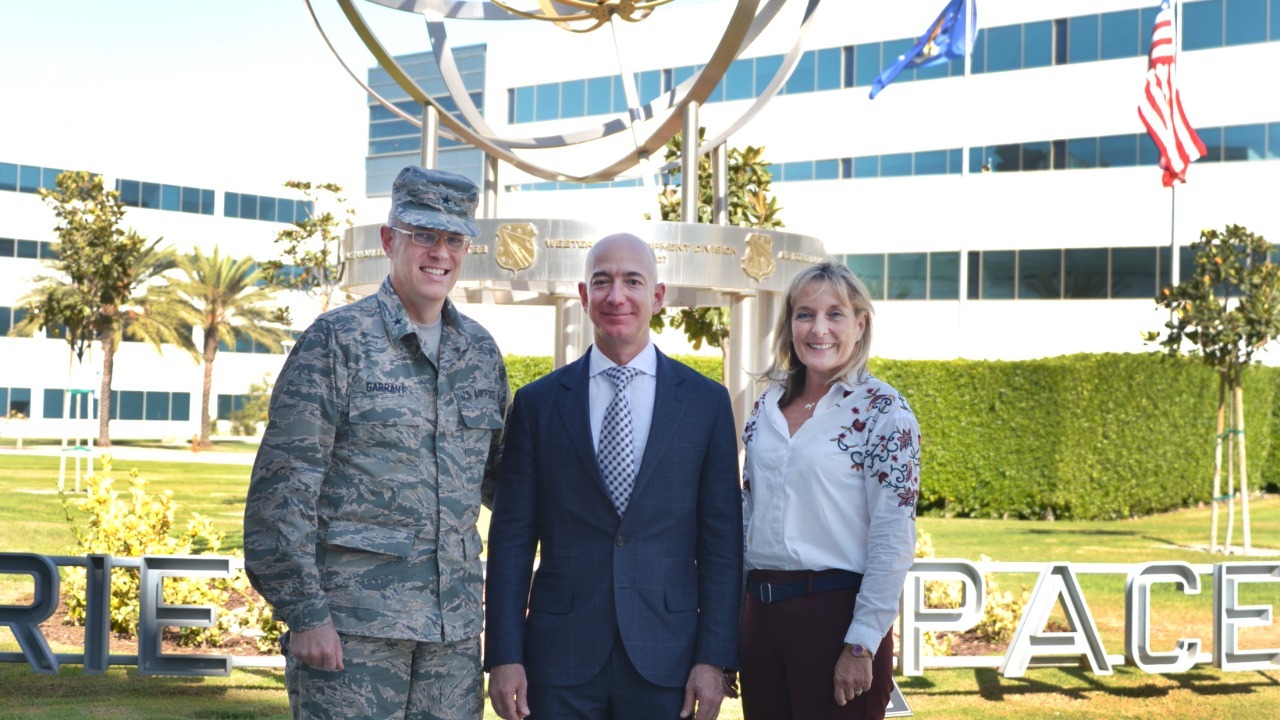
Beyond residential properties, Bezos’s real estate influence extends to commercial and luxury investments. His acquisitions include high-profile office spaces and retail locations, reflecting a broader trend among billionaires to diversify their portfolios. These investments can reshape the architectural landscape of cities, introducing modern designs and innovative structures.
The significance of Bezos’s property acquisitions goes beyond mere ownership; they represent a strategic approach to wealth generation and risk management. By investing in a variety of property types, Bezos not only secures his financial future but also contributes to urban development trends that emphasize luxury and exclusivity.
The Broader Implications for Society

Wealth inequality plays a crucial role in shaping the real estate market and its societal effects. The concentration of property ownership among the ultra-rich can lead to increased economic disparities, as these individuals control significant portions of housing stock. This scenario can hinder urban development, limiting opportunities for middle and lower-income families.
Addressing these challenges requires a multifaceted approach, including philanthropic endeavors to support affordable housing initiatives and policy reforms to ensure equitable access to property. As billionaires like Bezos continue to wield immense financial power, their potential contributions to solving housing challenges could reshape society, balancing the scales of wealth distribution and fostering inclusive urban growth.

Elias Broderick specializes in residential and commercial real estate, with a focus on market cycles, property fundamentals, and investment strategy. His writing translates complex housing and development trends into clear insights for both new and experienced investors. At The Daily Overview, Elias explores how real estate fits into long-term wealth planning.