
Michael Burry, the investor renowned for his foresight in predicting the 2008 housing crisis, is once again sounding alarms about the U.S. economy. His recent warnings focus on the overvaluation of big tech stocks and the potential for inflation to spark a recession, echoing his 2022 analysis of corporate earnings. Adding weight to these concerns, Warren Buffett has recently sold $13 billion in stocks, reflecting his apprehension about the stability of the U.S. economy. Meanwhile, a 2025 report highlights growing investor anxiety over threats to the Federal Reserve’s independence, underscoring unprecedented challenges to its autonomy.
Michael Burry’s Track Record and Latest Warnings

Michael Burry gained fame for his successful bet against the subprime mortgage market in 2008, a move that not only yielded massive returns but also inspired the film “The Big Short.” This achievement cemented his reputation as an investor with a keen eye for spotting economic bubbles. Burry’s insights into market dynamics have often been ahead of the curve, making his warnings difficult to ignore. His recent focus on big tech stocks highlights his belief that their earnings are unsustainable in the face of rising inflation pressures, which he argues could lead to a broader economic downturn. Burry’s analysis, as detailed in Business Insider, suggests that the tech sector’s current valuations may not withstand the economic headwinds.
In 2022, Burry critiqued the earnings of big tech companies, arguing that they were inflated and vulnerable to the pressures of rising inflation. He posited that these inflated valuations could trigger a recession if not addressed. His concerns are not just theoretical; they are reflected in his portfolio adjustments, which show a cautious approach toward tech sector investments. Burry’s actions underscore his belief that the current economic environment is fraught with risks that could destabilize the market. This perspective is particularly relevant as inflation continues to be a significant concern for investors and policymakers alike.
Warren Buffett’s Strategic Stock Sales
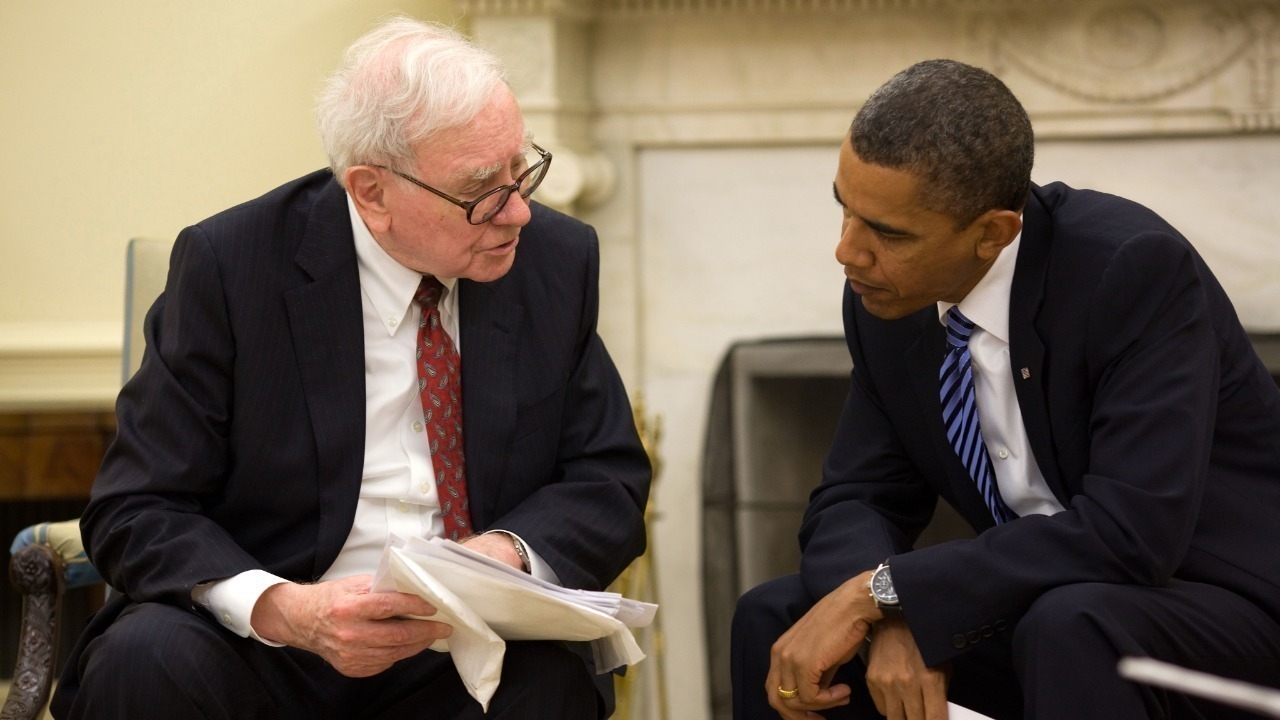
Warren Buffett’s decision to sell $13 billion worth of stocks has been interpreted as a signal of his bearish outlook on the U.S. economy’s near-term health. Known for his strategic market moves, Buffett’s actions often serve as a barometer for broader economic sentiment. His recent stock sales, detailed in Newsweek, included major stakes in financial and consumer sectors, indicating a desire to preserve capital amid growing economic uncertainty. This move is particularly noteworthy given Buffett’s historical tendency to buy during downturns, suggesting that he perceives the current risks as particularly severe.
Buffett’s approach to market timing has historically been characterized by a contrarian strategy, often buying when others are selling. However, his recent actions mark a departure from this pattern, highlighting the gravity of the current economic risks. By trimming his holdings in key sectors, Buffett is signaling a cautious stance that aligns with broader concerns about the U.S. economy’s stability. This shift in strategy underscores the potential for significant economic challenges ahead, as investors grapple with the implications of inflation and other systemic risks.
Threats to Federal Reserve Independence
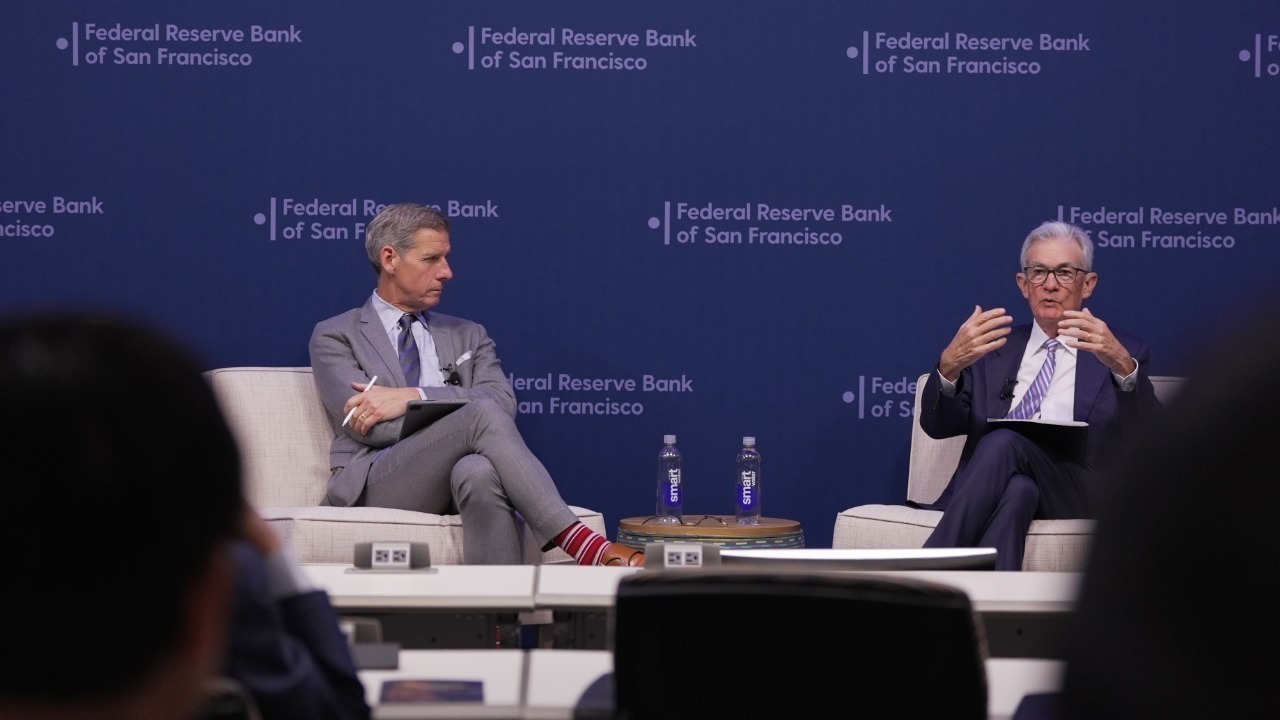
The Federal Reserve’s independence is facing unprecedented challenges in 2025, with political pressures increasingly undermining its ability to conduct independent monetary policy. According to a report from Market Minute, these challenges are causing significant concern among investors, who fear that eroded Fed independence could exacerbate inflation or delay necessary recession responses. The stakes are high, as the Fed’s ability to act independently is crucial for maintaining economic stability and managing inflationary pressures.
Investor concerns are not unfounded, as recent market analyses have highlighted the potential consequences of a compromised Fed. The ability to respond swiftly and effectively to economic challenges is critical, and any delay or misstep could have far-reaching implications. Proposed legislative or executive actions in 2025 that target the Fed’s decision-making processes further underscore the risks to its autonomy. These developments are closely watched by investors, who are keenly aware of the potential impact on market stability and economic growth.
Interconnected Economic Risks
The interconnected nature of these economic risks is becoming increasingly apparent. Michael Burry’s warnings about inflation and recession from 2022 are now intersecting with current concerns about the Federal Reserve’s independence. As detailed in Business Insider and Market Minute, policy constraints could amplify vulnerabilities in the tech sector, leading to broader economic repercussions. The potential for inflation to spiral out of control, coupled with a weakened Fed, presents a formidable challenge for investors and policymakers alike.
Warren Buffett’s $13 billion stock sale is another indicator of the broader economic fragility. As noted in Newsweek, this move reflects a cautious approach in light of potential spillover effects from Fed policy disruptions. The interconnectedness of these risks highlights the complexity of the current economic landscape, where multiple factors are converging to create an environment of heightened uncertainty. Investors are closely monitoring these developments, aware that the stakes are high and the potential for significant market shifts is real.

Grant Mercer covers market dynamics, business trends, and the economic forces driving growth across industries. His analysis connects macro movements with real-world implications for investors, entrepreneurs, and professionals. Through his work at The Daily Overview, Grant helps readers understand how markets function and where opportunities may emerge.

