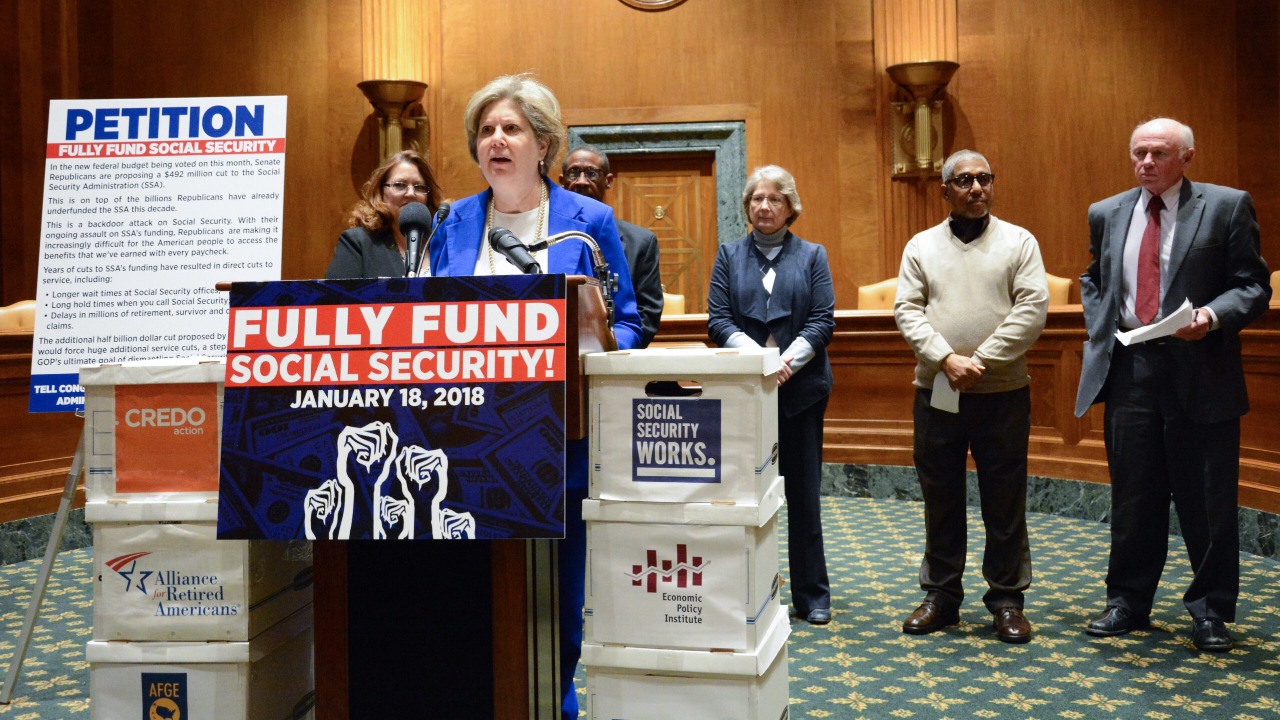
As the demographic landscape shifts and economic pressures mount, the future of social security in the United States is under intense scrutiny. Policymakers are exploring various changes to ensure the system’s sustainability, while balancing the needs of current and future beneficiaries. Potential changes to social security could significantly impact retirement planning and financial security for millions of Americans.
Raising the Retirement Age

Historically, the retirement age in the United States has evolved in response to changing social and economic conditions. Initially set at 65 when social security was introduced in the 1930s, it has gradually increased, reaching 67 for those born in 1960 or later. This change reflected improvements in life expectancy and a need to sustain the social security system amid a growing retiree population.
Proposals to further raise the retirement age are being considered as a means to ease the financial burden on the system. Increasing the age would likely encourage longer workforce participation, potentially boosting economic productivity. However, this approach faces criticism for disproportionately affecting workers in physically demanding jobs who may struggle to extend their careers. Perspectives from both policymakers and the public highlight the debate between maintaining fiscal sustainability and ensuring fairness across different workforce sectors.
Adjusting the Payroll Tax Cap

The current payroll tax system, established to fund social security, applies a 6.2% tax rate to wages up to a certain cap—$147,000 in 2022. This cap means that earnings above this threshold are not taxed, a policy designed to balance the tax burden. However, as income inequality grows, many argue for raising or eliminating the cap to increase revenue for social security.
Proposals to adjust the payroll tax cap could significantly impact high-income earners, potentially increasing their contributions to the system. While this change could help alleviate some funding issues, it faces economic and political challenges. Critics argue that it could discourage high earners and businesses, while supporters see it as a necessary step to ensure the system’s solvency. Successfully implementing such changes would require navigating complex political landscapes and addressing concerns about economic impacts.
Modifying Benefits for Future Retirees

To address social security’s financial challenges, some policymakers suggest modifying benefits for future retirees. Proposals include means-testing, which would reduce benefits for higher-income individuals, and adjusting the benefit formula to slow the growth of payouts. These measures aim to preserve funds for those most in need, but they also raise concerns about increasing inequality.
Reducing benefits could significantly impact the financial security of future retirees, particularly those who rely heavily on social security as a primary income source. Public opinion is divided, with many fearing increased inequality and diminished retirement security. The political feasibility of benefit modifications depends on balancing fiscal responsibility with the needs and expectations of future beneficiaries.
Enhancing Social Security Solvency
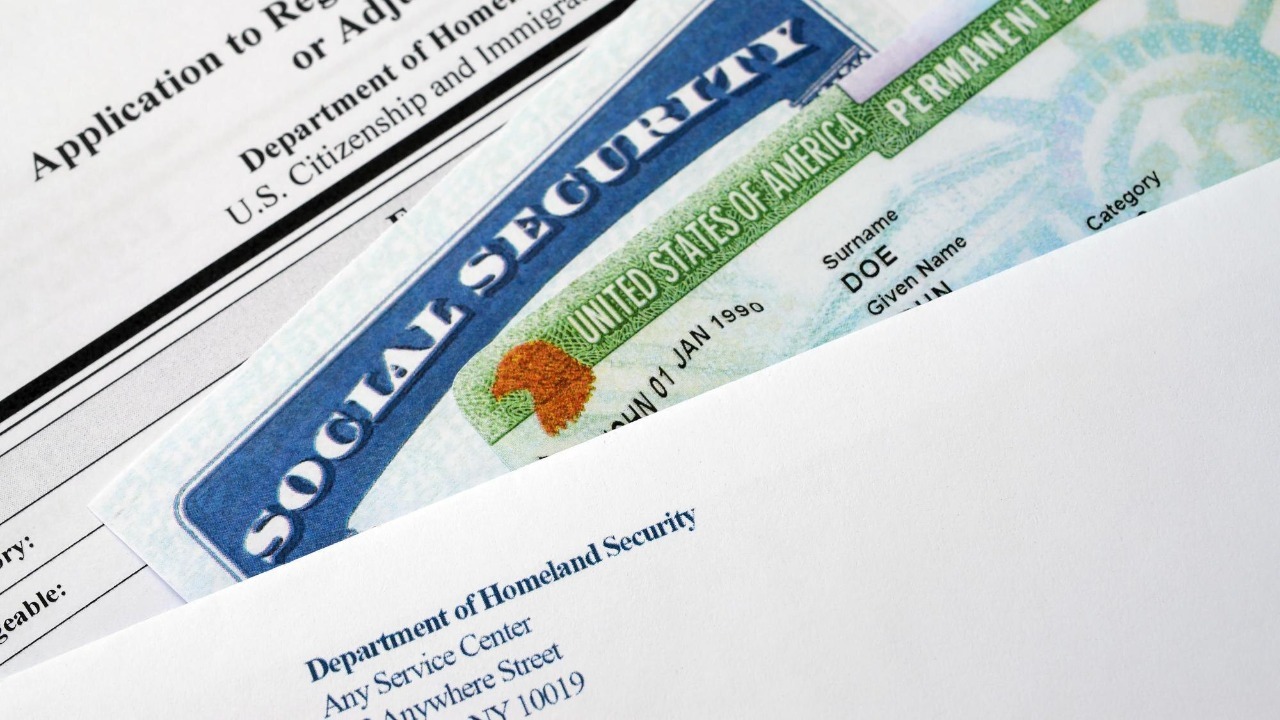
The social security system faces significant solvency challenges, with projections indicating that funds could be depleted by the mid-2030s if no changes are made. Addressing these challenges requires innovative solutions that go beyond traditional methods of funding and benefit adjustments.
Experts and economists have proposed various measures to enhance social security’s solvency, such as adjusting the cost-of-living adjustments or utilizing alternative revenue sources. Achieving long-term solvency will likely require bipartisan support to implement comprehensive reforms that balance immediate needs with long-term sustainability.
Technological and Administrative Modernization

The Social Security Administration (SSA) faces inefficiencies that hinder its ability to serve beneficiaries effectively. Modernizing its operations could improve service delivery and reduce administrative costs, ensuring that resources are directed where they are most needed. Embracing technology is a crucial step in this process, offering opportunities to streamline processes and enhance user experiences.
Implementing technological upgrades presents both challenges and opportunities. While modernization can improve efficiency, it also requires upfront investment and careful management. The SSA must navigate these complexities to ensure that technology enhances its operations without disrupting services. Efforts to modernize the SSA are crucial to its ability to adapt to changing demands and continue serving the public effectively.
Social Security and Changing Workforce Dynamics

The rise of the gig economy and non-traditional work arrangements poses new challenges for social security contributions. Many workers in these sectors do not pay into the system at the same rate as traditional employees, potentially affecting their future benefits and the overall funding of social security.
Strategies to integrate new workforce trends into the social security framework include expanding coverage to more types of workers and adjusting contribution requirements. These strategies aim to ensure that all workers contribute fairly while maintaining the system’s financial health. As the labor market continues to evolve, adapting social security to these changes will be crucial to its sustainability and relevance in the future.

Nathaniel Cross focuses on retirement planning, employer benefits, and long-term income security. His writing covers pensions, social programs, investment vehicles, and strategies designed to protect financial independence later in life. At The Daily Overview, Nathaniel provides practical insight to help readers plan with confidence and foresight.
