
As 2025 unfolds, it’s crucial to ensure your financial plans are as resilient as possible. With economic uncertainties and evolving job markets, revisiting and optimizing your financial strategies can provide much-needed stability. Here are five proactive steps you can take to safeguard your financial future.
Reevaluate Your Investment Portfolio

With economic conditions shifting rapidly, it’s essential to reevaluate your investment portfolio to ensure it aligns with your financial goals and risk tolerance. Market volatility can significantly impact your savings, so consider redistributing your assets to balance potential risks. Diversifying your portfolio with a mix of stocks, bonds, and alternative investments can help minimize losses while optimizing returns.
Additionally, staying informed about market trends and economic forecasts is vital. Regularly consult with a financial advisor to assess whether your current investments are still suitable. They can provide insights on any adjustments needed to keep your portfolio aligned with your long-term objectives, especially in light of potential economic downturns.
Build an Emergency Fund

Having a robust emergency fund is more critical now than ever. Unforeseen events such as job loss or medical emergencies can severely strain your finances. Aim to save at least three to six months’ worth of living expenses in a liquid, easily accessible account. This fund acts as a financial cushion, providing peace of mind and security against unexpected hardships.
Start by setting aside a small percentage of your income each month. Automating this process can make saving easier and more consistent. If you’re unsure where to begin, financial advisors can help you establish realistic savings goals and strategies tailored to your income and spending habits.
Optimize Your Debt Management Strategy

Debt can be a significant hurdle to financial stability, especially in uncertain economic times. Evaluate your current debt situation and explore ways to streamline your debt management strategy. Consider consolidating high-interest debts into a single, lower-interest loan to reduce monthly payments and the total interest paid over time.
Additionally, prioritize paying off debts with the highest interest rates first. This approach, known as the avalanche method, can help you save money in the long run. Utilize tools like debt management apps or consult with a financial planner to create a structured plan for tackling your debt efficiently.
Enhance Your Skills for Future-Proofing
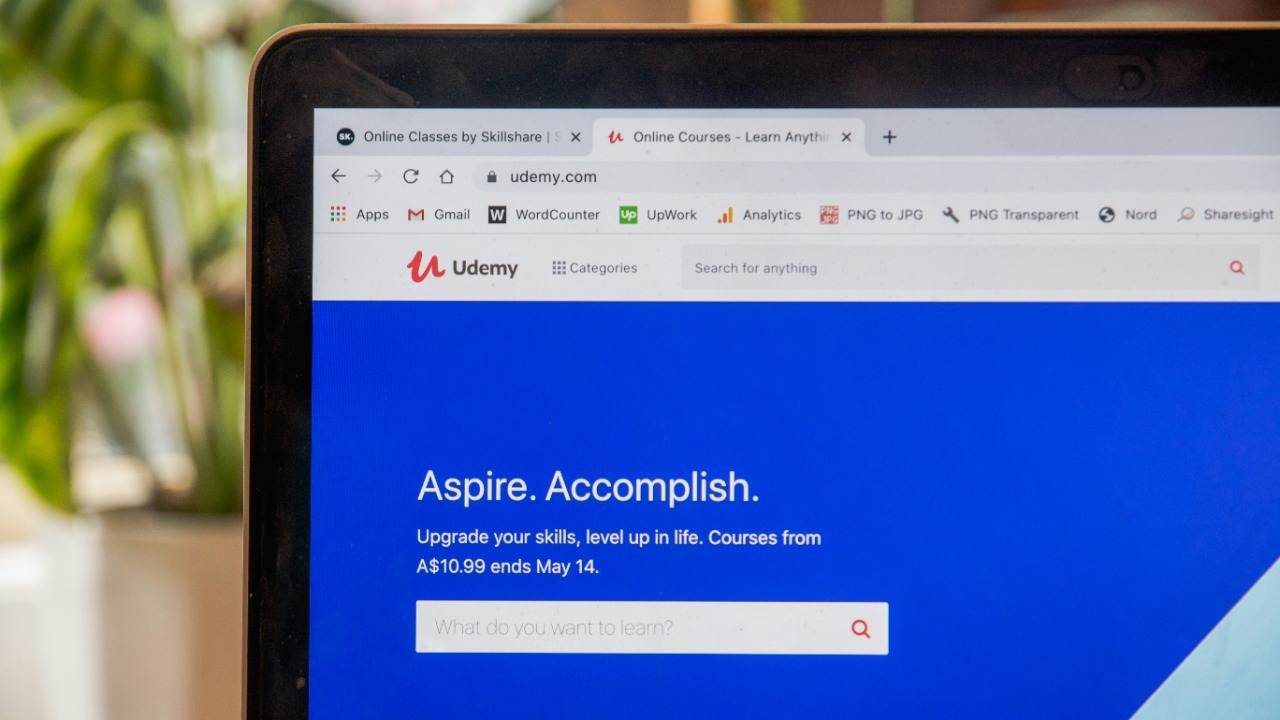
In today’s dynamic job market, enhancing your skills is essential for staying relevant and competitive. Identify skills that are in demand within your industry and invest time in acquiring or improving them. Online courses, workshops, and certifications are excellent ways to enhance your professional skill set.
Networking is also crucial for career advancement. Attend industry conferences, join professional groups, and engage with peers in your field. These interactions can provide valuable insights and opportunities, ensuring you remain adaptable in an ever-evolving workforce.
Review and Adjust Your Retirement Plan

As you approach retirement, regularly reviewing and adjusting your retirement plan is essential to ensure you’re on track to meet your goals. Analyze your current savings, expected retirement age, and desired lifestyle to determine if your existing plan is adequate. Consider increasing your contributions to retirement accounts like 401(k)s or IRAs to maximize your savings potential.
If you’re unsure of your retirement readiness, consulting a financial planner can provide clarity and guidance. They can help you evaluate potential expenses and income sources, ensuring your retirement plan remains robust against economic uncertainties.

Cole Whitaker focuses on the fundamentals of money management, helping readers make smarter decisions around income, spending, saving, and long-term financial stability. His writing emphasizes clarity, discipline, and practical systems that work in real life. At The Daily Overview, Cole breaks down personal finance topics into straightforward guidance readers can apply immediately.

