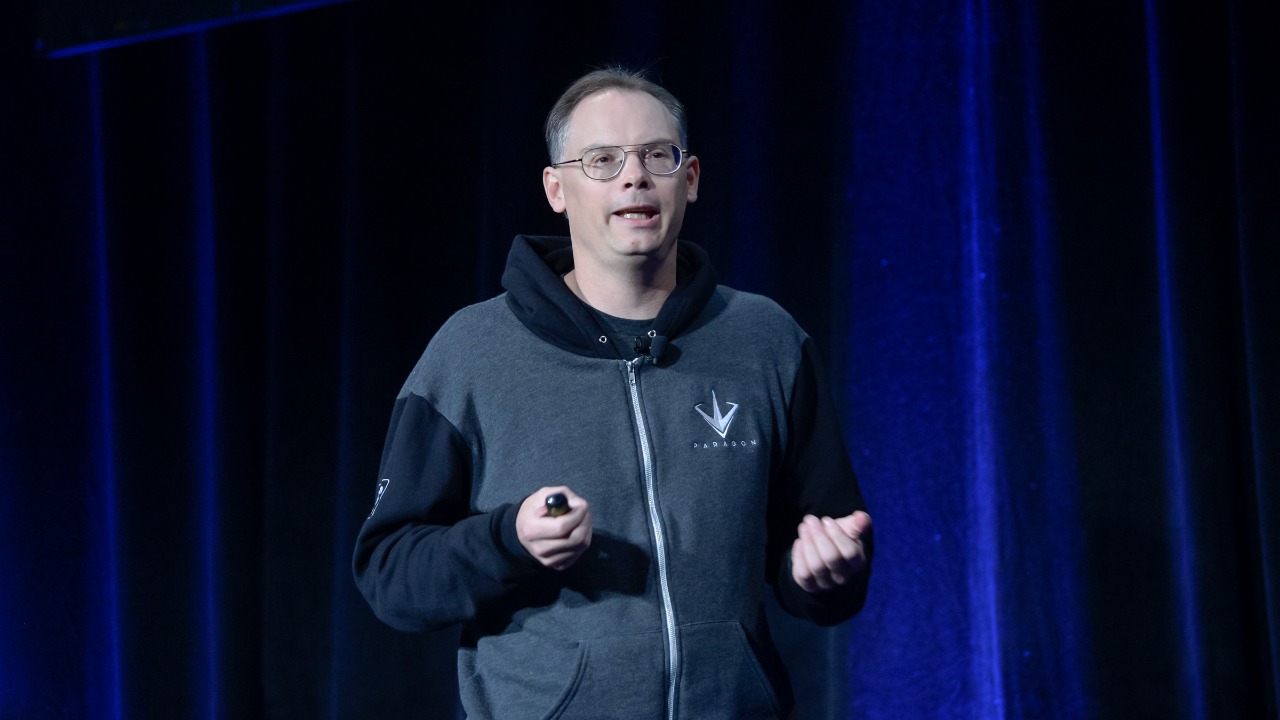
Tim Sweeney has quietly assembled one of the largest private landholdings on the U.S. East Coast, buying more than 50,000 acres of forest in North Carolina. Instead of turning it into luxury resorts or corporate campuses, the billionaire behind Fortnite has been locking it away from development, treating the land itself as the long-term investment.
His buying spree, spread across multiple counties and mountain ranges, is driven by a mix of conservation idealism and a very specific vision of what rural America should look like in a few decades. I see his strategy as a test case for whether private wealth can protect wild landscapes at the scale that public policy often struggles to reach.
How a game developer became one of North Carolina’s biggest landowners
Tim Sweeney’s rise from programmer to major landowner starts with the explosive success of Epic Games and its Unreal Engine, which turned a small Cary-based studio into a global platform company. As Fortnite and licensing revenue multiplied his fortune, Sweeney began quietly converting digital profits into physical acreage, concentrating his purchases in western North Carolina’s Blue Ridge and foothill counties. Reporting shows that he has acquired more than 50,000 acres across the state, a footprint that rivals some institutional timber and real estate owners.
Instead of clustering his holdings in a single mega-ranch, Sweeney has bought tracts in places like Henderson, Rutherford, and surrounding counties, often targeting forested mountain slopes and watersheds. County records cited in local reporting describe purchases ranging from a few hundred acres to multi-thousand-acre blocks, including a roughly 7,500 acre acquisition in Henderson County that significantly expanded his presence there. The pattern that emerges is not speculative subdivision but a patchwork of wild, steep, and ecologically sensitive land that traditional developers often overlook or try to reshape.
The surprising motive: conservation first, profit far behind
What makes Sweeney’s land strategy unusual is that he has repeatedly framed it as a conservation project rather than a real estate play. In interviews and public comments cited by local outlets, he has described buying land specifically to keep it undeveloped, protect wildlife habitat, and preserve scenic viewsheds around public parks and trails. One major example is his role in safeguarding the area around the popular DuPont State Recreational Forest, where his acquisitions have helped block potential encroachment from housing and commercial projects that could have altered the character of the landscape.
Rather than clear-cutting or subdividing, Sweeney has often moved to place conservation easements or work with land trusts so that large portions of his holdings are legally shielded from intensive development. Reporting on his purchases notes that he has partnered with groups focused on preserving biodiversity and water quality, particularly in headwater areas that feed regional rivers and reservoirs. In some cases, he has supported the transfer of land or rights to public or nonprofit entities, effectively using his capital as a bridge to long-term protection. That approach aligns with his stated belief that intact forests and healthy ecosystems are more valuable to society than short-term construction booms, even if that means forgoing the kind of returns most investors would seek from tens of thousands of acres.
Where the 50,000 acres are, and what he is doing with them
Sweeney’s holdings are spread across a swath of western and central North Carolina, with a particular concentration in the Blue Ridge region where steep terrain, rich biodiversity, and development pressure collide. In Henderson County alone, he has become one of the largest private landowners, with the 7,500 acre purchase adding to earlier tracts near DuPont State Recreational Forest and other protected areas. Additional reporting traces his acquisitions into neighboring counties, where he has targeted forested ridgelines, watersheds, and wildlife corridors that connect existing public lands.
On the ground, that scale of ownership gives him unusual leverage over how these landscapes evolve. Instead of roads and subdivisions, many of his properties remain in closed-canopy forest, with limited infrastructure and minimal logging activity described in county and conservation documents. In some cases, he has allowed managed public access through partnerships with conservation groups or state agencies, while in others the land functions as a private reserve buffering nearby parks. The consistent throughline is that he is not flipping parcels or marketing them to homebuilders, but holding them as long-term conservation assets that shape the broader development map of the region.
Clashes with local development and the politics of preservation
Buying that much land in fast-growing counties inevitably pulls a billionaire into local political fights, and Sweeney has not stayed on the sidelines. He has publicly opposed projects he believes would damage sensitive ecosystems or overwhelm rural infrastructure, including high-density housing proposals and road expansions near protected forests. Local reporting describes him as a key voice in debates over how much growth mountain communities should absorb, with his conservation-first stance sometimes putting him at odds with county commissioners, planners, and developers who see new construction as essential to tax revenue and housing supply.
Those tensions surfaced around proposals near DuPont State Recreational Forest and other scenic areas, where Sweeney’s landholdings and advocacy gave him both legal standing and public visibility. In some cases, he has used his resources to offer alternatives, such as purchasing threatened tracts outright or supporting conservation easements that remove development rights from the table. Critics have questioned whether one wealthy landowner should wield that much influence over regional planning, while supporters argue that his willingness to spend hundreds of millions of dollars on forests and streams provides a counterweight to market forces that typically favor short-term building. The available reporting underscores that his role is not purely philanthropic, but deeply entangled with the politics of zoning, infrastructure, and rural identity.
What Sweeney’s land bet reveals about private power and the future of wild spaces
Looking across Sweeney’s 50,000 plus acres, I see a case study in how private fortunes can reshape environmental outcomes at a scale that public agencies often struggle to match. By moving quickly with cash offers and long time horizons, he has locked up key landscapes that might otherwise have been fragmented into cul-de-sacs and vacation rentals. The tradeoff is that the fate of those forests now depends heavily on the choices of a single individual, even if he has signaled a strong commitment to conservation and has already placed some properties under binding protections through easements and partnerships.
His strategy also highlights a broader shift in how some tech and gaming billionaires think about legacy. Instead of only funding climate research or urban projects, Sweeney is pouring capital into forests, watersheds, and wildlife corridors in a single state, betting that intact land will matter more than another tower or stadium. For residents of western North Carolina, that means living with both the benefits and the uncertainties of having a conservation-minded mogul as a neighbor: more protected views and cleaner streams, but also a planning map that can tilt based on decisions made in a private office. The reporting on his purchases makes clear that his land bet is not a side hobby, but a central, long-term project that will shape the region’s landscape for decades.
More From TheDailyOverview

Elias Broderick specializes in residential and commercial real estate, with a focus on market cycles, property fundamentals, and investment strategy. His writing translates complex housing and development trends into clear insights for both new and experienced investors. At The Daily Overview, Elias explores how real estate fits into long-term wealth planning.