
Billionaire investor Jeff Greene has recently shared his insights on the future of the US housing market, predicting a significant surge in house prices once interest rates decrease. However, he also warns of the potential economic challenges facing the nation, suggesting a looming “downward spiral” that could have far-reaching consequences.
Jeff Greene’s Prediction on House Prices

Jeff Greene believes that a reduction in interest rates will inevitably lead to increased demand for housing. When borrowing costs decrease, more people can afford to take out mortgages, which naturally boosts demand in the housing market. Greene’s insights are based on both current market conditions and historical trends that underscore the cyclical nature of real estate prices. The correlation between lower interest rates and rising home prices has been evident in past market recoveries, such as the post-2008 financial crisis period when reduced rates helped revive the housing sector.
Historical examples bolster Greene’s perspective. For instance, during the early 2000s, a period of low interest rates contributed to a housing boom, albeit followed by a bust. His prediction hinges on the belief that the current market, characterized by limited supply and high demand, will experience a similar upswing once rates are adjusted downward. Greene’s foresight reflects a pattern of recovery seen during previous periods when the Federal Reserve opted to lower rates in response to economic challenges.
The Mechanism Behind Interest Rate Effects

Interest rates play a crucial role in determining mortgage affordability and the overall home buying power of consumers. When rates are low, monthly mortgage payments become more manageable, encouraging potential buyers to enter the market. This dynamic creates a ripple effect, driving up home prices as demand increases. The Federal Reserve, through its monetary policies, significantly influences these trends by adjusting the federal funds rate, which in turn affects mortgage rates.
However, the impact of interest rate changes on housing prices is not immediate. There is often a lag effect, meaning that it may take several months for the effects of a rate cut to fully materialize in the housing market. This delay can create a window of opportunity for both buyers and investors to capitalize on more favorable conditions before prices begin to climb. Understanding this timing is essential for those looking to make informed decisions in the real estate market.
Concerns about a ‘Downward Spiral’
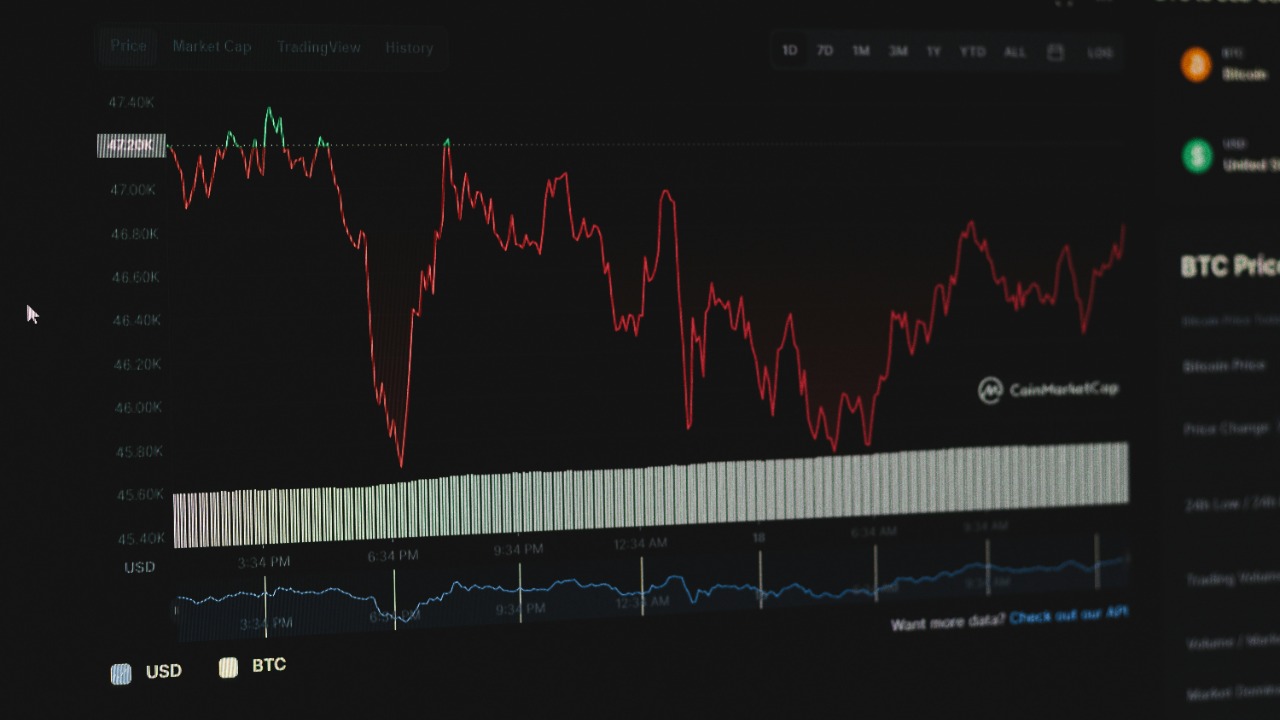
Despite the optimistic outlook on housing prices, Jeff Greene has expressed concerns about a possible economic downturn. He warns that the United States could face a “downward spiral” due to several factors, including persistent inflation and overall economic instability. Greene’s cautionary stance is rooted in the belief that without proper measures, these issues could exacerbate, leading to significant social and economic consequences.
Factors such as rising inflation erode consumer purchasing power, making it difficult for families to afford basic necessities, let alone invest in real estate. Economic instability can further dampen confidence, potentially triggering a broader market downturn. Greene’s warnings highlight the complex interplay between various economic forces and the potential for a housing market slump to contribute to a larger economic malaise.
Strategies for Navigating Future Market Changes

For homebuyers and investors, anticipating fluctuating interest rates requires a proactive approach. One strategy is to lock in fixed-rate mortgages when rates are low, safeguarding against future hikes. It’s also essential to stay informed about Federal Reserve announcements and policy changes, as these can offer clues about the direction of future rate adjustments. Additionally, diversifying investments can provide a buffer against market volatility.
Government policy and financial institutions play a vital role in stabilizing the housing market. Measures such as affordable housing programs and financial education initiatives can help mitigate the risks of a downturn. In the long term, fostering economic resilience involves creating a balance between growth and stability, ensuring that the housing market remains robust even in the face of potential challenges.
For more insights into Greene’s predictions, you can read more from Business Insider or explore his thoughts in detail on social media. Understanding these dynamics is key to navigating the evolving landscape of the US housing market.

Elias Broderick specializes in residential and commercial real estate, with a focus on market cycles, property fundamentals, and investment strategy. His writing translates complex housing and development trends into clear insights for both new and experienced investors. At The Daily Overview, Elias explores how real estate fits into long-term wealth planning.

