Warnings about socialism are no longer coming only from politicians or campus activists. A growing chorus of billionaires is arguing that a new wave of left-wing ideas is not just about tax rates or student debt, but about a deeper attempt to rewrite the country’s economic and cultural rules. Their alarms say as much about the anxieties of the ultra-wealthy as they do about the shifting expectations of younger Americans.
At the center of this clash is a basic question: whose way of life is really at risk. When a billionaire insists that “they” are trying to change how the United States works, that claim collides with rising anger over inequality, housing costs, and stagnant wages. The result is a high-stakes argument over democracy, capitalism, and who gets to define what counts as the American way of life.
The billionaire who says “they” want to change everything
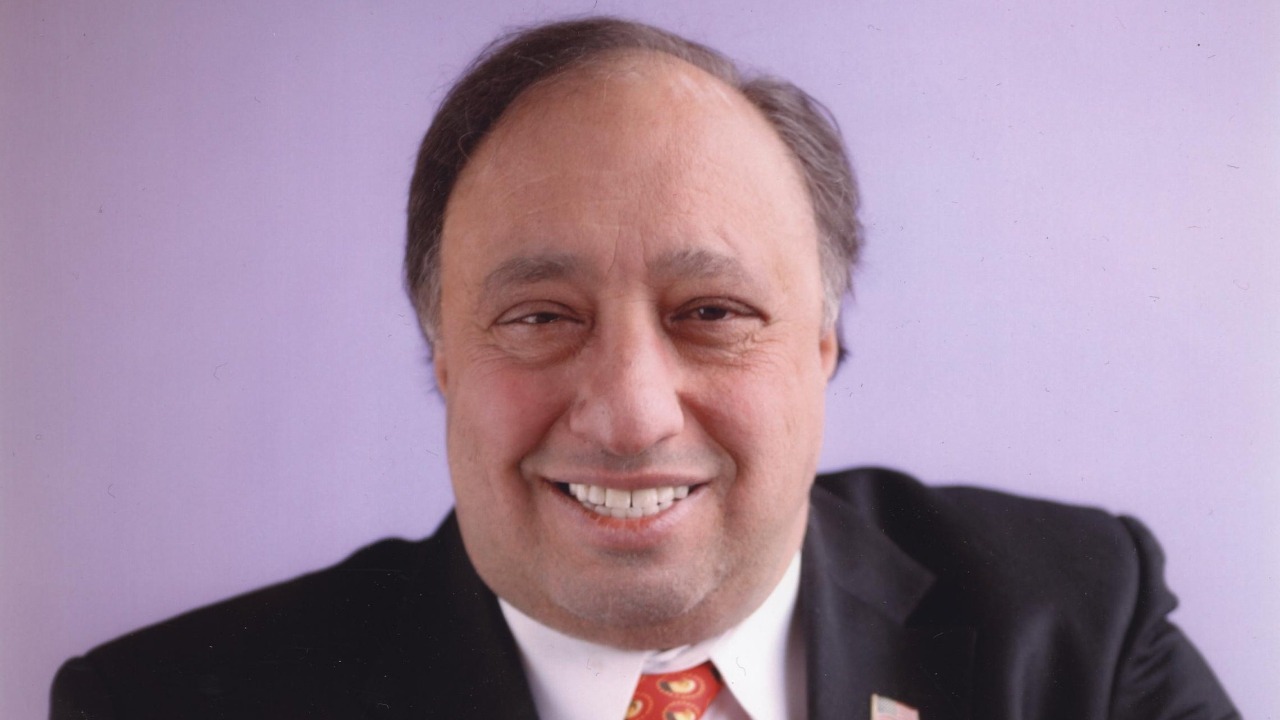
When Gristedes CEO John Catsimatidis talks about socialism, he does not frame it as an abstract policy debate. He warns that unnamed “they” are trying to change “our way of life,” casting the current political moment as a struggle over the basic norms that shaped his rise from immigrant striver to billionaire. In his telling, the threat is not a single bill in Congress but a broader ideological push that would weaken private enterprise, expand government control, and punish success. That framing turns a policy argument into a cultural one, suggesting that what is at stake is the everyday freedom to build and keep wealth.
Catsimatidis’s comments land differently because they come from someone who has spent decades embedded in New York City’s business and political circles. As a supermarket magnate and media owner, he has long used his platform to defend what he sees as traditional capitalist values, and his recent warning that a rising socialist current is trying to reshape the country’s basic habits and expectations fits that pattern. In a televised appearance, the billionaire insisted that “they” are not just debating marginal tax rates, but are attempting to rewrite the rules that allowed entrepreneurs like him to thrive, a claim that resonates with supporters who see any move toward redistribution as a direct attack on their own aspirations.
John Catsimatidis and the rise of billionaire politics
To understand why Catsimatidis’s warning carries weight, it helps to see how deeply he is woven into the fabric of American politics. As a New York City billionaire, he has spent years funding campaigns, hosting radio shows, and cultivating influence across party lines. His role illustrates how the ultra-wealthy have become central players in shaping the political conversation, especially on questions of markets, regulation, and the role of the state. When someone with that level of access says socialism is on the march, it is both a reflection of his own fears and a signal to the political figures who rely on his support.
Reporting on money and power in Washington has highlighted how figures like John Catsimatidis help define the boundaries of acceptable debate inside both major parties. The story of a New York City billionaire who has long been immersed in politics is not just about personal ambition, it is about a broader shift in which donors with vast fortunes can amplify their concerns about socialism into national talking points. When Catsimatidis warns that “they” are trying to change the country’s way of life, he is speaking as part of a class that has grown used to setting the terms of economic policy, and that now feels those terms are under direct challenge.
The counterargument: “I don’t think we should have billionaires”
On the other side of this debate are politicians and activists who argue that the problem is not socialism, but the outsized power of people like Catsimatidis. New York state lawmaker Zohran Mamdani has put the conflict in stark terms by saying, “I do not think we should have billionaires,” a statement that treats extreme wealth itself as a policy failure rather than a success story. For Mamdani and his allies, the existence of billionaires is evidence that the economic system has allowed a small group to accumulate far more than they could ever need while others struggle with rent, medical bills, and student loans.
The backlash to that view from the donor class has been swift, but it has also revealed how polarized the conversation has become. When Bill Ackman, a billionaire hedge fund manager who has backed President Donald Trump in the past, pledged to pour money into opposing Mamdani, he turned a local race into a national proxy fight over whether concentrated wealth should be celebrated or dismantled. Ackman’s willingness to intervene so aggressively underscores why critics argue that billionaires are not just warning about socialism, they are actively using their fortunes to shape which voices get heard and which candidates can compete.
When billionaires warn about inequality and autocracy
Not every billionaire who sounds an alarm is focused on socialism as the main threat. Some are more worried about what happens if inequality keeps widening under the current rules. One prominent investor has warned that rising gaps in income and wealth are pushing the United States toward a more autocratic model, where political power follows money and democratic norms erode. That argument flips the usual script, suggesting that the danger is not redistribution, but the possibility that a small elite becomes so dominant that ordinary voters lose meaningful influence over policy.
The concern is that a country with extreme disparities becomes vulnerable to strongmen who promise order while entrenching their own control. A detailed analysis of how rising inequality is reshaping the United States describes a billionaire warning that the country is drifting toward an autocratic state, with “extreme” policies on both ends of the spectrum feeding public anger. From that vantage point, the fight over socialism is part of a larger story in which economic frustration fuels both left-wing calls to tax the rich and right-wing demands for a more muscular, centralized authority, each in its own way challenging the postwar model of liberal democracy.
Ray Dalio and the “big gap in values”
Another influential voice, Ray Dalio, has framed the crisis less as a battle over labels and more as a breakdown in shared norms. The billionaire investor has warned that democracy itself is under strain because of what he calls a “big gap in values” between different parts of the country. In his view, the combination of economic divides and cultural polarization is making it harder for the system to function, as each side comes to see the other not just as wrong, but as illegitimate.
Dalio’s warning about a threat to democracy is rooted in the idea that when people no longer agree on basic facts or goals, compromise becomes nearly impossible. A report on a billionaire investor sounding the alarm about a “big gap in values” underscores how this divide is not only about income brackets, but about competing visions of fairness, responsibility, and national identity. In that context, debates over socialism, capitalism, and the role of billionaires are symptoms of a deeper fracture over what kind of society Americans want to live in and what they owe one another.
Peter Thiel’s fear of “proletarianizing” the young
Few members of the tech elite have been as blunt about the stakes as Peter Thiel. The billionaire has argued that if the country “proletarianizes” young people, leaving them with high debts, low wages, and little chance of owning a home, it should not be surprised when they turn toward socialist ideas. For Thiel, the danger is not that socialism is seducing a contented middle class, but that economic policy is creating a generation that feels locked out of the prosperity their parents enjoyed.
Thiel has tied that frustration to specific structural choices, from strict zoning rules that keep housing scarce to education and labor markets that leave graduates underpaid and overburdened. In a recent interview, Thiel warned that if young people are “proletarianized” and find it extremely hard to buy homes, the political consequences will be severe. His argument implicitly acknowledges that the appeal of socialism is not primarily ideological, it is a reaction to material conditions that make the promise of the American dream feel out of reach.
The email that spelled out why socialism resonates
Thiel’s private reflections on this dynamic surfaced in a 2020 email that has taken on new relevance as socialist ideas gain traction among younger voters. In that message, he laid out why he believed many young Americans were warming to the left: they were burdened by student debt, priced out of housing, and disillusioned with a system that seemed to work only for their bosses and landlords. The email did not defend socialism, but it treated its rise as a rational response to a status quo that had failed to deliver stability or opportunity.
The correspondence came to light when Billionaire investor Chamath Palihapitiya posted a screenshot of the exchange, as business and tech leaders began to dig into why so many younger workers felt the system had left them behind. The email captured a tension that runs through the current debate: even as some billionaires warn that socialism threatens their way of life, others concede that unless the underlying grievances around student debt and housing are addressed, calls to tax or even abolish billionaires will only grow louder.
Trump-era alliances and the politics of protection
The fight over socialism is also inseparable from the political alliances that have formed around President Donald Trump. Donors like Bill Ackman, who has backed Trump in the past, see the current administration as a bulwark against policies that would sharply raise taxes on the wealthy or expand public ownership. Their support is not only ideological, it is protective, aimed at preserving an economic order that has rewarded them handsomely. When they hear talk of wealth caps or nationalizing key industries, they interpret it as a direct threat to both their fortunes and their influence.
At the same time, Trump’s populist rhetoric has sometimes targeted the same elites who fund his campaigns, creating a complicated dance between anti-establishment messaging and pro-business policy. Ackman’s decision to pour money into races where candidates like Zohran Mamdani challenge the legitimacy of billionaires shows how high the stakes have become for this donor class. By aligning themselves with a president who promises to defend them from what they describe as socialist overreach, these financiers are betting that the electorate will share their fear that aggressive redistribution would upend the country’s economic foundations.
Whose “way of life” is really on the line
When Catsimatidis warns that “they” are trying to change “our way of life,” he is speaking for a segment of America that sees its success story as proof that the system works. From that vantage point, proposals to cap wealth, cancel large amounts of debt, or dramatically expand public housing look like an attack on the values of hard work, risk-taking, and private ownership. The fear is not only of losing money, but of losing status and control over institutions that billionaires have long shaped, from universities and think tanks to media outlets and political parties.
Yet for the young people Thiel describes as “proletarianized,” and for politicians like Zohran Mamdani who say they do not think the country should have billionaires at all, it is their way of life that already feels under siege. They point to stagnant wages, crushing rents, and the sense that no matter how hard they work, they will never match the security their parents achieved. In that light, the clash over socialism is less a battle between two equal visions and more a collision between those who fear losing a system that has favored them and those who feel that system has never truly worked. The outcome will shape not only tax codes and regulations, but the basic answer to the question of whose version of the American dream counts.
More From TheDailyOverview
- Tennessee loses $2.6B megafactory and faces major layoffs
- Retired But Want To Work? Try These 18 Jobs for Seniors That Pay Weekly
- What to do with your pennies after the U.S. stops minting them
- Home Depot CEO warns of a troubling customer trend in stores

Grant Mercer covers market dynamics, business trends, and the economic forces driving growth across industries. His analysis connects macro movements with real-world implications for investors, entrepreneurs, and professionals. Through his work at The Daily Overview, Grant helps readers understand how markets function and where opportunities may emerge.

