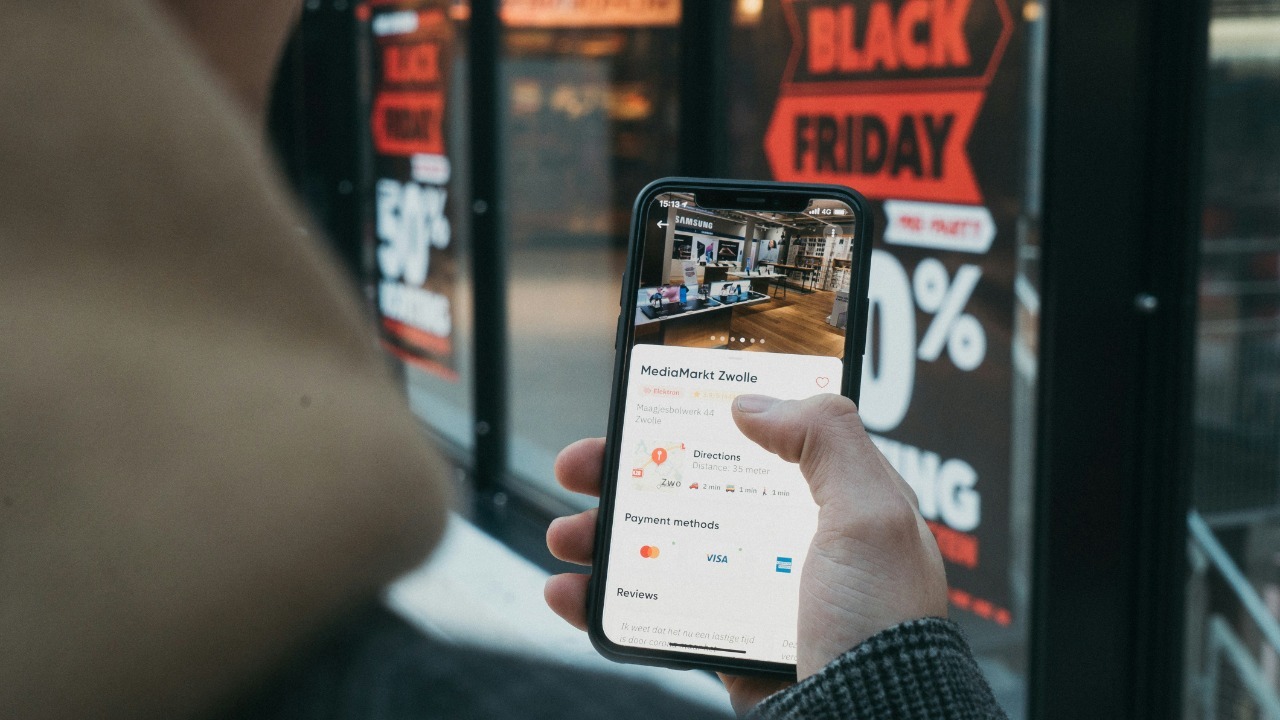
For years, Black Friday functioned as retail’s high holy day, the moment shoppers were expected to line up, click in, and spend big. That grip is loosening as discounts spread across the calendar, consumers grow more strategic, and retailers quietly reshape their playbooks to protect profits rather than chase one-day volume at any cost. I see a shopping landscape where the marquee sales event still matters, but no longer commands the automatic attention or urgency it once did.
Instead of a single frenzied day, the holiday season is turning into a long, negotiated dance between cautious buyers and margin-conscious sellers. The result is a slower, more deliberate pattern of spending that dilutes the power of Black Friday and forces retailers to rethink what a “big sale” even means.
Shoppers are stretching the season and ignoring the old countdown clock
The clearest sign that Black Friday is losing its punch is how early and how often holiday deals now appear. Retailers have trained shoppers to expect “Black Friday pricing” well before Thanksgiving, then to see similar or better offers pop up again in December. When discounts run for weeks, the psychological pressure to buy on a single day fades, and I see consumers responding by pacing their purchases instead of rushing to beat an arbitrary deadline. Reporting on holiday sales patterns shows that major chains now launch “early access” events and multi-week promotions that mirror traditional Black Friday doorbusters, effectively turning what used to be a one-day spike into a long plateau of steady discounting across November and December, as reflected in holiday sales data.
At the same time, shoppers are increasingly comfortable waiting out retailers in search of better prices later in the season. With inventory levels more visible online and price-tracking tools widely available, buyers can see when items are not moving and anticipate deeper markdowns closer to Christmas. Analysts tracking the 2024 holiday period noted that many consumers delayed discretionary purchases, betting that retailers would blink first and roll out more aggressive promotions in December, a pattern that showed up in slower early-season traffic and a heavier reliance on last-minute deals to clear stock, according to retail performance reports.
Inflation, budgets, and “need to have” lists are reshaping what gets bought
Even when shoppers do show up for big sale events, they are not spending the way they used to. Higher prices on essentials have squeezed household budgets, and I see that pressure pushing people to prioritize groceries, basic apparel, and practical home goods over splashy impulse buys. Instead of treating Black Friday as a once-a-year splurge, many families now use it as a chance to restock or upgrade items they already planned to buy, which blunts the event’s role as a catalyst for new, discretionary spending. Recent figures on holiday sales show that while overall spending has continued to grow in nominal terms, much of that increase reflects inflation rather than a surge in volume, with categories like electronics and home furnishings lagging behind staples, as detailed in consumer spending breakdowns.
This shift is especially visible in big-ticket categories that once defined Black Friday, such as televisions, laptops, and gaming consoles. With many households already upgraded during earlier pandemic-era buying waves, the appetite for another round of large electronics purchases has cooled, and shoppers are more likely to wait until a genuine need arises instead of chasing a headline discount. Retailers have responded by leaning harder on promotions for everyday items and loyalty-based coupons, but that strategy reinforces the idea that deals are always available somewhere, not just on one marquee day. Analysts reviewing 2024 holiday performance noted that retailers with strong value propositions in essentials, including large discount chains and warehouse clubs, outperformed more discretionary-focused merchants, underscoring how budget realities are reshaping what people actually buy during peak sale periods, according to holiday winner-and-loser analyses.
Retailers are prioritizing margins over spectacle
On the other side of the equation, retailers themselves have grown more cautious about the kind of deep, loss-leading promotions that once defined Black Friday. After years of supply chain shocks and unpredictable demand, many large chains are more focused on protecting profitability than on chasing record-breaking one-day sales. I see that caution in the way they calibrate discounts, often reserving the steepest markdowns for overstocked or lower-margin items while keeping tighter control over prices on core products. Reporting on recent holiday seasons shows that several major retailers reduced the breadth of their doorbuster offers and instead emphasized targeted promotions, loyalty rewards, and online-only deals that are easier to adjust in real time, as outlined in retail strategy coverage.
This strategic shift means Black Friday still generates headlines but no longer delivers the kind of across-the-board bargains that once made it feel indispensable. Retailers are also spreading their promotional bets across multiple events, from October “holiday kickoff” sales to post-Christmas clearance, which dilutes the importance of any single day. Some chains have even scaled back store hours or in-person theatrics, relying more on e-commerce and app-based offers that can be fine-tuned based on real-time demand. Analysts who track retailer earnings have noted that companies increasingly talk about “disciplined promotions” and “margin accretive” sales rather than celebrating raw Black Friday traffic, a vocabulary shift that reflects a deeper change in priorities, as seen in recent earnings commentary.
Online shopping and constant deals have flattened the hype cycle
The rise of e-commerce has also eroded the unique draw of Black Friday by making every day feel like a potential sale day. With major platforms running flash deals, daily discounts, and algorithm-driven price changes, shoppers are conditioned to expect that a better price might be just a few clicks or days away. I see this constant churn of online offers as a key reason why the old ritual of lining up at dawn has lost its appeal, especially when the same or similar discounts are available from a couch or smartphone. Data from recent holiday seasons shows that online sales have continued to grow as a share of total holiday spending, with strong gains on Thanksgiving itself and throughout Cyber Week, which spreads demand across several days instead of concentrating it on Black Friday alone, according to digital commerce tracking.
At the same time, the proliferation of competing “deal holidays” has fragmented attention. Events like Prime Day, back-to-school sales, and mid-season clearance promotions now offer Black Friday-level discounts at multiple points in the year, teaching shoppers that patience and flexibility can pay off. Retailers that once saved their most aggressive offers for late November now deploy them tactically to move inventory whenever needed, which further weakens the idea that Black Friday is uniquely special. Analysts reviewing 2024’s online performance noted that while Black Friday and Cyber Monday remained large e-commerce days, growth rates were more modest compared with newer events, suggesting that the novelty factor has shifted elsewhere, as reflected in online sales reports.
What a “big sale” means is being rewritten in real time
Put together, these trends point to a broader redefinition of what counts as a major sale event. Instead of a single, high-stakes shopping holiday, I see a retail calendar filled with rolling promotions, targeted discounts, and personalized offers that blur the line between everyday pricing and special deals. For consumers, that can be empowering, since it reduces the pressure to make rushed decisions and opens more opportunities to find value throughout the year. For retailers, it is a more complex balancing act, requiring careful inventory planning, data-driven pricing, and a willingness to trade some spectacle for steadier, more sustainable sales. Recent analyses of the 2024 holiday season emphasize that retailers who leaned into flexible, omnichannel strategies and year-round value propositions fared better than those still heavily reliant on a single blockbuster weekend, as detailed in season-end reviews.
Black Friday is not disappearing, but it is being absorbed into a wider ecosystem of promotions that collectively shape how and when people spend. The old model of a once-a-year shopping frenzy is giving way to a more measured, data-driven approach on both sides of the checkout counter, where shoppers track prices as closely as retailers track demand. As long as inflation, digital competition, and shifting consumer priorities continue to reshape the market, I expect the power of any single sale event to keep fading, replaced by a constant negotiation over value that plays out across the entire year rather than a single day.
More From TheDailyOverview
- Dave Ramsey warns to stop 401(k) contributions
- 11 night jobs you can do from home (not exciting but steady)
- Small U.S. cities ready to boom next
- 19 things boomers should never sell no matter what

Grant Mercer covers market dynamics, business trends, and the economic forces driving growth across industries. His analysis connects macro movements with real-world implications for investors, entrepreneurs, and professionals. Through his work at The Daily Overview, Grant helps readers understand how markets function and where opportunities may emerge.

