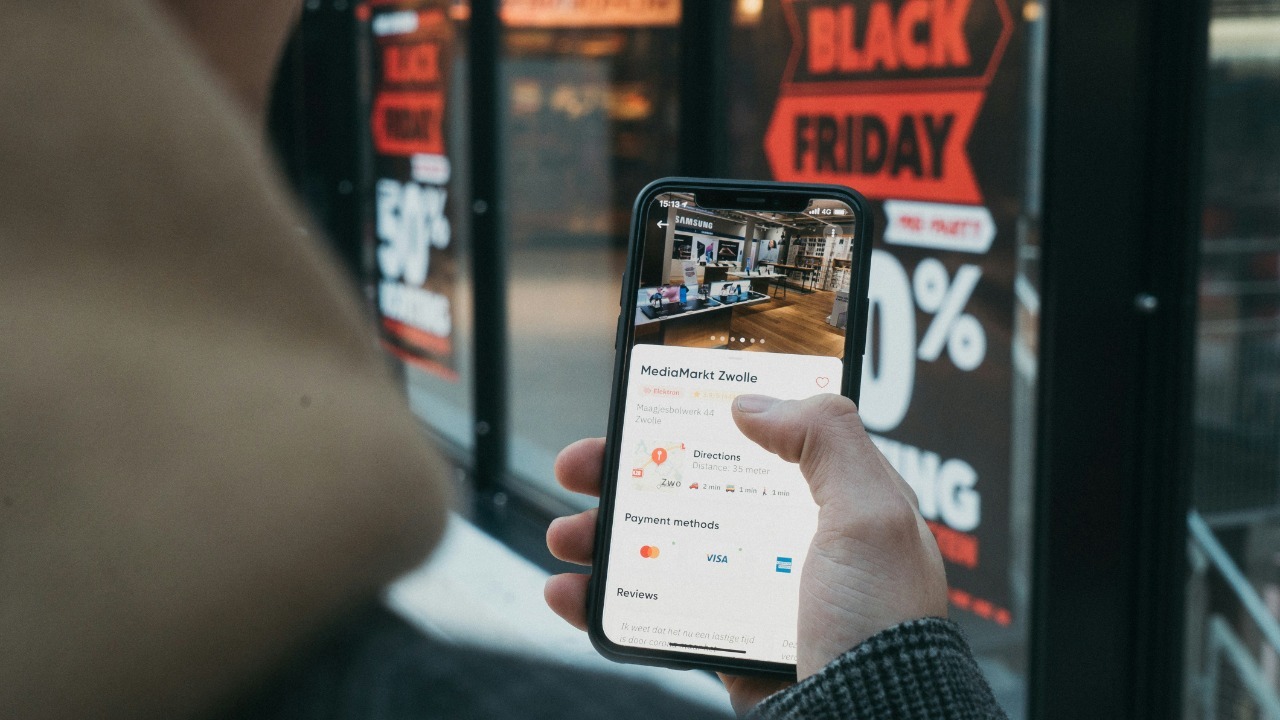
Record-breaking Black Friday receipts are colliding with a darker mood about the United States economy, and the contrast is hard to ignore. Shoppers opened their wallets in spectacular fashion, yet the surge in spending is arriving alongside rising anxiety about inflation, slowing wage growth, and widening inequality. I see a holiday splurge that looks less like a vote of confidence and more like a stress test of how long consumers can keep carrying the recovery.
Behind the headline numbers is a more complicated story about who is spending, what they are buying, and how far their money really goes. The latest Black Friday data suggests Americans are still willing to chase deals, but it also exposes the strains of a system where prices keep climbing and budgets are stretched thin. That tension is exactly why this year’s shopping binge is sparking fresh doubts about the durability of the current expansion.
Black Friday’s record haul, and why it unsettles economists
The first thing that jumps out from this season is the sheer scale of the Black Friday haul. Americans Spent a Record $11.8 billion online in a single day, a figure that would have sounded outlandish not long ago. That kind of spending power, concentrated in a few hours of digital doorbusters and flash sales, suggests households still have the capacity to splurge when the discounts feel irresistible. Yet the very fact that shoppers waited for this moment, and pounced so aggressively on limited-time offers, hints at a consumer base that is more price sensitive than the topline number implies.
What makes economists uneasy is not the record itself but the context around it. The Black Friday boom is unfolding in an environment where inflation has eroded purchasing power and where many families are leaning on credit cards or buy-now-pay-later plans to keep up. When I look at a figure like that Record $11.8 billion, I see both resilience and risk: resilience because Americans are still spending, risk because the holiday rush may be masking deeper fragilities that will surface once the sales end and the bills arrive.
Data for Thanksgiving weekend: a sugar high or sustainable trend?
Zooming out from a single day, the Data for Thanksgiving weekend shows a similar pattern of strength that may not be as solid as it looks at first glance. According to one analysis, shoppers spent at healthy levels across the long holiday stretch, with retailers reporting brisk traffic and strong online volumes that extended beyond the traditional Friday crush. The headline takeaway is that the consumer engine is still humming, even after a year of higher prices and persistent talk of slowdown.
Yet the same reporting that highlights robust spending also notes that any uptick in shopping enthusiasm is coming from a more cautious base. The Data for Thanksgiving period points to consumers who are hunting for value, trading down to cheaper brands, and timing their purchases to coincide with the steepest markdowns. That looks less like carefree exuberance and more like a sugar high, fueled by promotions that may be pulling demand forward from later in the season rather than signaling a lasting surge in confidence.
Online boom: Topline growth hides shifting behavior
Online, the story is even more dramatic. One study found that Black Friday spending on the internet increased almost 10 percent, or roughly $1 billion, from last year, a jump that would be impressive in any environment. That Topline growth underscores how central e-commerce has become to the holiday economy, with shoppers turning to apps like Amazon, Walmart, and Target on their phones instead of lining up in the cold outside big-box stores. The convenience of one-click checkout and same-week delivery is now baked into how Americans approach the season.
But the details behind that nearly 10 percent gain matter. Higher average order values can reflect both more items in the cart and higher prices on each one, and the report that Black Friday online sales are up nearly 10 percent from last year suggests a mix of both. When I see a figure like that attached to Topline online revenue, I read it as evidence that inflation is still working its way through the system, even as retailers lean on digital promotions to keep volumes from slipping. The boom in clicks is real, but it is not immune to the same cost pressures reshaping the rest of the economy.
Billions spent, but with fewer items in the cart
Another telling detail from this season is that Billions spent on Black Friday came alongside a subtle but important shift in how much people actually bought. One firm tracking transactions reported that Order volumes slipped 1 percent even as average selling prices climbed 7 percent, a combination that points directly to the impact of higher prices. In other words, shoppers are paying more for fewer goods, which is not the kind of dynamic that typically signals a carefree consumer.
That pattern, where the total dollar amount rises while the number of items falls, is a classic sign of inflation squeezing household budgets. It suggests that some families are cutting back on extras, focusing on essentials, or choosing cheaper versions of the products they want. The fact that this is happening during the biggest sale event of the year, when discounts are supposed to stretch paychecks further, is especially striking. The report that Billions spent on Black Friday coincided with that 1 percent drop in Order volumes and a 7 percent jump in prices is a reminder that headline revenue can rise even as the underlying experience for shoppers feels tighter and more constrained.
Americans are paying more for less, and they know it
For many households, the most tangible sign of economic strain is the sense that the cart looks smaller even when the receipt is larger. Reports from this season show that Americans are paying more for less, with retailers quietly shrinking package sizes or trimming features while keeping prices high. That is the essence of “shrinkflation,” and it is particularly visible in categories like snacks, household goods, and personal care items that fill both physical and digital baskets.
Yet even in this environment, Black Friday once again proved that Americans are willing to shop when they spot bargains. One major payments network, Mastercard, reported a steady flow of transactions that underscored how determined people are to make the most of limited deals. I see that as a sign of both optimism and fatigue: optimism because consumers still believe they can find value if they look hard enough, fatigue because it takes more effort and more strategic timing to maintain the same standard of living. When Americans feel they are constantly paying more for less, even a successful shopping trip can leave a bitter aftertaste.
Consumer spending powers growth, but confidence is fragile
At the macro level, the stakes could not be higher. Consumer spending accounts for about two-thirds of economic activity in the United States, and the holiday season has been a reliable engine of growth for decades. That is why policymakers and investors watch Black Friday so closely: it offers an early read on whether households are likely to keep supporting the expansion into the new year or start pulling back.
Yet the latest reporting suggests that confidence is more fragile than the sales figures alone would indicate. Analysts note that shoppers are gravitating toward discount chains and value-focused retailers, a sign that they are feeling the pinch even as they keep spending. One retail expert quoted in a piece on Why It Matters emphasized that this tilt toward off-price stores reflects a Consumer base that is trading down rather than trading up. When I connect that to the broader picture of slowing wage growth and rising costs, it reinforces the idea that the holiday rush may be masking a more cautious, even anxious, underlying mood.
The K-shaped economy behind the holiday rush
To understand why the same Black Friday numbers can look so strong and so worrying at once, it helps to look at the broader pattern some economists describe as a K-shaped economy. In this framework, parts of the country and certain income groups are doing very well, while others are stagnating or falling behind. Overall consumer spending is still rising, but Americans are less confident, and that divergence is becoming more visible in how and where people shop.
One recent analysis notes that AI-related data center construction is booming even as wage growth is slowing for many workers, a split that captures the essence of this K-shaped pattern. The report on Overall trends argues that Americans are navigating an economy where high earners and capital-intensive sectors surge ahead while others tread water. When I map that onto Black Friday, I see a holiday season where some shoppers are upgrading to premium electronics and luxury goods, while others are stretching to afford basics, all of it rolled into a single set of sales figures that can obscure the underlying divide.
High-income shoppers are blinking, too
Perhaps the most unsettling signal for the outlook is that even affluent households are starting to flinch. One study of consumer intentions found that High-income households are at yearly lows for plans to cut spending, which sounds reassuring at first. But the same research flagged that these groups are increasingly worried about the future and are beginning to adjust their behavior, a shift that can have outsized effects given how much of total consumption they drive.
The warning from Tristan, a strategist at TD Securities, is that when both lower-income and High earners feel pressure at the same time, the risk to growth multiplies. If the top of the K-shaped economy starts to slow its discretionary purchases, from luxury fashion to high-end travel, the ripple effects can hit sectors that have been insulated so far. I read that as a reminder that Black Friday’s apparent success does not guarantee smooth sailing ahead, especially if the shoppers who powered this year’s Record $11.8 billion day decide to pull back in the months that follow.
Backlash and burnout: Black Friday The trouble with excess
There is another layer to this story that is less about macroeconomics and more about values. Black Friday The trouble with Black Friday is that it is unsustainable, not only environmentally but also psychologically. The constant drumbeat of limited-time offers and doorbusters encourages impulse buying on a massive scale, and one analysis estimates that Almost 80% of all impulse purchases end up unloved and discarded. That is a staggering share of goods that move from warehouse to doorstep to landfill in a matter of months.
The rise of campaigns like Buy Nothing Day and Green Friday reflects a growing backlash against this cycle of overconsumption. Advocates argue that the environmental cost of all of the “postage” and “transportation” required to support the Black Friday machine is too high, and that the economic model built on endless churn is starting to show its cracks. The critique laid out in a piece on Black Friday The highlights how Black Friday, Almost by design, encourages wasteful behavior that does little to build lasting financial security. When I weigh that against the short-term boost to sales and GDP, it reinforces the sense that the holiday splurge is a fragile foundation for long-term prosperity.
Black Friday’s imprint on America’s economic future
Black Friday has always been more than a shopping day; it is a cultural ritual that leaves a lasting imprint on the US economy. One examination of its impact notes that Black Friday sales are up in 2023, but it is not all good news, because the energy surrounding America’s greatest shopping holiday masks deeper questions about sustainability and equity. While the spectacle of packed malls and record online orders can create a sense of momentum, it can also distract from the structural issues that shape how prosperity is shared.
In that sense, the latest season feels like a turning point. The analysis of how Black Friday is going out of style argues that While the tradition still commands attention, America is slowly rethinking what it wants from its economy and its holidays. I see the Record $11.8 billion day, the nearly 10 percent online surge, the 7 percent jump in average prices, and the 80% of impulse buys that end up unwanted as pieces of the same puzzle. Together, they suggest that the Black Friday splurge is less a sign of unshakable strength than a flashing indicator of an economy that is running hot on the surface while cracks widen underneath.
More From TheDailyOverview
- Tennessee loses $2.6B megafactory and faces major layoffs
- Retired But Want To Work? Try These 18 Jobs for Seniors That Pay Weekly
- What to do with your pennies after the U.S. stops minting them
- Home Depot CEO warns of a troubling customer trend in stores

Grant Mercer covers market dynamics, business trends, and the economic forces driving growth across industries. His analysis connects macro movements with real-world implications for investors, entrepreneurs, and professionals. Through his work at The Daily Overview, Grant helps readers understand how markets function and where opportunities may emerge.

