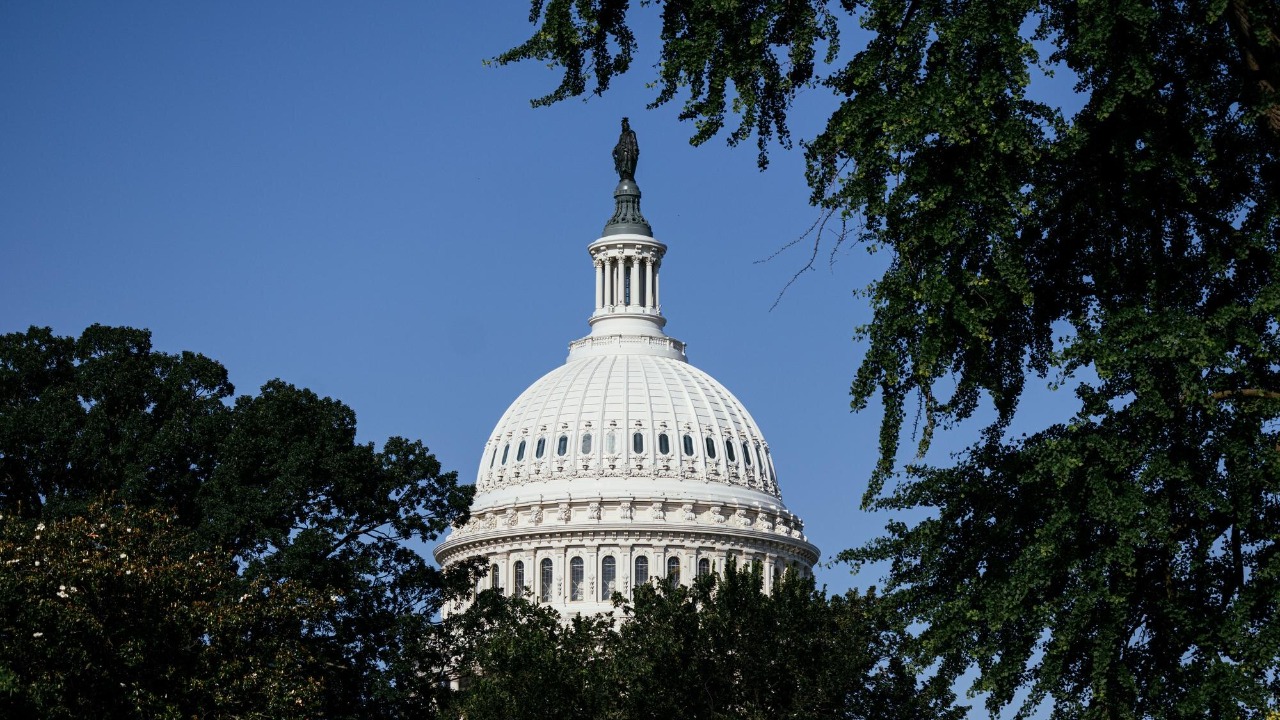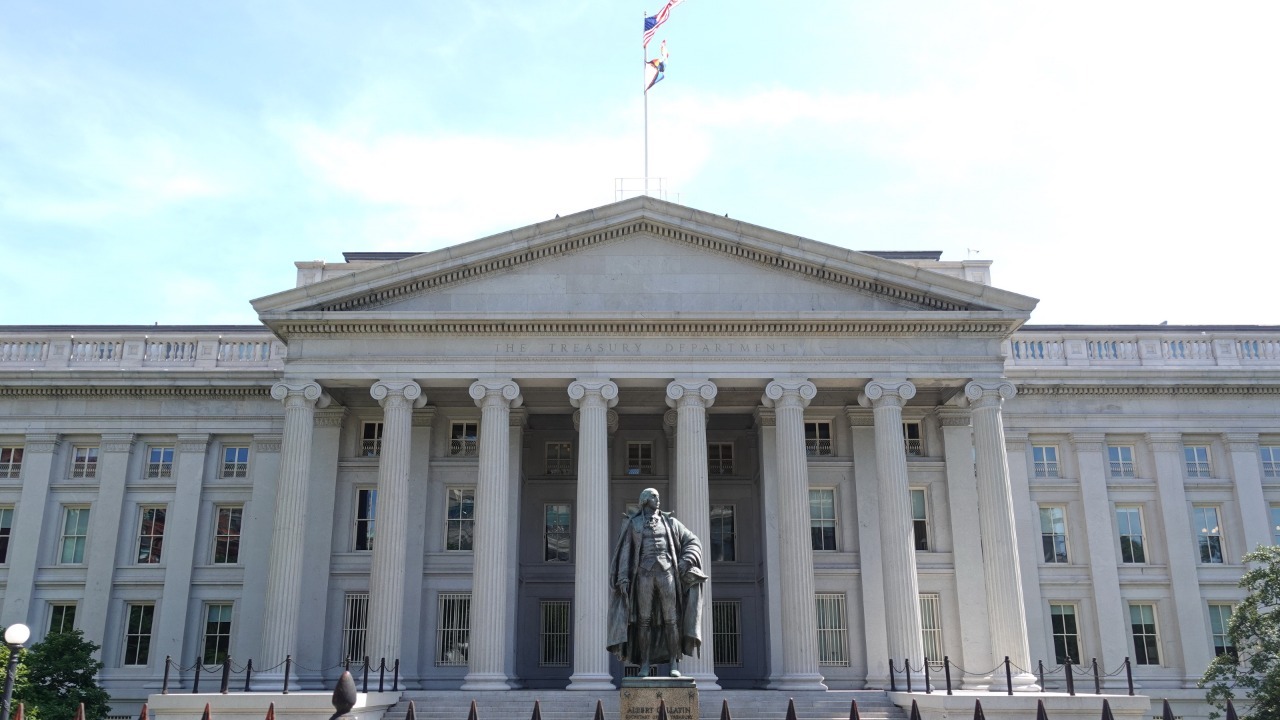
The Treasury Department is moving to sharply narrow which noncitizens can claim key federal tax benefits, reshaping how immigrant workers and families interact with the tax code. The changes target refundable credits and retirement incentives that have quietly functioned as a backstop for low wage households, and they are poised to cut off support for large numbers of taxpayers who lack full legal status but still file returns every year. As the rules harden, the fight over who deserves help from the federal safety net is shifting from social programs to the fine print of tax administration.
A coordinated push to restrict tax-based benefits
The latest Treasury initiative is not a single tweak but a coordinated effort to redraw the boundary between citizens, lawful permanent residents and everyone else in the tax system. Officials are recasting eligibility rules so that immigration status, not just income and family size, determines who can receive some of the most valuable credits. In practice, that means noncitizens who have long complied with filing requirements, often using Individual Taxpayer Identification Numbers, could see their refunds shrink or disappear even if their earnings and household circumstances stay the same.
According to reporting on internal plans, the U.S. Treasury is preparing to change tax credit eligibility in a way critics say will hurt immigrant taxpayers, with the department signaling that certain refundable benefits will no longer be available to people who are not considered “qualified” under immigration law. Those critics warn that the way the new rule is written will disproportionately affect mixed status families and low income workers who already pay payroll and income taxes but rely on credits to stay afloat, a concern that has surfaced as Treasury plans have become clearer.
“Prevent abuse” framing and the language of enforcement
Officials are justifying the clampdown by casting it as a campaign against fraud and improper payments, not a repudiation of immigrants themselves. The rhetoric centers on “abuse” of refundable credits, a category of benefits that can generate a payment even when a filer owes little or no income tax. By framing the issue this way, Treasury is positioning the changes as a technical fix to close loopholes, even as the practical effect is to exclude broad categories of noncitizens from programs they have used for years.
In a formal announcement, the Department of the Treasury described its initiative as a move to prevent abuse of refundable tax credit benefits by “Illegal Aliens,” explicitly tying the policy to immigration enforcement rather than routine compliance work. The statement, titled “Treasury Moves to Prevent Abuse of Refundable Tax Credit Benefits by Illegal Aliens,” underscores that the department sees immigration status as central to who should benefit from these programs, and it signals that future regulations will be written to keep unauthorized immigrants from accessing credits that are currently available under existing law, as detailed in Treasury Moves.
Scott Bessent’s role and the 2026 timeline
The policy shift is closely associated with Scott Bessent, who has emerged as a central architect of the administration’s economic agenda and its approach to immigration in the tax code. I see his strategy as using regulatory levers to accomplish what Congress has not, tightening access to federal support without passing new legislation. By focusing on credits that are administered through the IRS, Bessent can reshape the distribution of benefits with relatively little public debate compared with high profile fights over programs like Medicaid or the Supplemental Nutrition Assistance Program.
In public comments, Bessent and the Treasury have said they are developing regulations to prevent tax benefits from going to unauthorized immigrants, with the changes scheduled to take effect beginning in tax year 2026. That timeline gives employers, tax preparers and immigrant households only a short window to adjust before refunds shrink, and it reflects a deliberate choice to lock in the new rules before the next filing season. The department’s message is that federal tax credits for illegal immigrants are ending, a point Bessent has emphasized as Bessent and the Treasury roll out their broader enforcement agenda.
Targeting the Saver’s Match and retirement incentives
One of the most consequential pieces of the crackdown falls not on day to day income support but on long term retirement security. The Saver’s Match, a relatively new federal contribution that replaces the old Saver’s Credit, was designed to help low and moderate income workers build nest eggs in 401(k)s and IRAs. By excluding noncitizens who lack certain immigration statuses, Treasury is signaling that it is willing to sacrifice retirement readiness for a large segment of the workforce in order to align tax benefits more tightly with immigration law.
According to detailed guidance from retirement industry groups, Treasury plans to bar undocumented migrants from the Saver’s Match so that, accordingly, illegal aliens and other non qualified aliens would no longer be able to receive these benefits funded by the federal government. That same analysis notes that the Saver’s Match is part of a broader suite of incentives that interact with programs like Temporary Assistance for Needy Families, meaning the new restrictions will ripple through how low income households plan for both short term needs and long term savings. By cutting off this match, the department is effectively telling unauthorized workers that their contributions to retirement accounts will no longer be rewarded with federal support, a shift spelled out in the description that, Accordingly, they are outside the circle of eligible beneficiaries.
Refundable credits as the new immigration battleground
Refundable tax credits have long been a quiet pillar of the safety net, especially for families whose wages are too low to cover housing, food and child care. By turning those credits into an immigration enforcement tool, Treasury is moving the battleground from visible welfare offices to the more opaque world of tax forms and IRS processing. I see this as a strategic choice, because changes in refund formulas can be implemented quickly and can have large financial effects without the kind of public hearings that accompany cuts to programs like Head Start or Section 8 housing.
The department’s own language about preventing abuse of refundable tax credit benefits by Illegal Aliens makes clear that these credits are now seen as a pressure point in the broader effort to deter unauthorized immigration. The policy is not limited to one program, but instead sweeps across multiple refundable benefits that have historically been available to anyone who met income and filing requirements, regardless of status. By recasting these credits as something that must be defended from noncitizens, Treasury is redefining what counts as a “federal benefit” in the immigration debate, a shift that is codified in the same Prevent Abuse of Refundable Tax Credit Benefits framework.
Alignment with Trump’s revived “public charge” approach
The tax credit changes do not exist in a vacuum, they are part of a broader return to policies that penalize immigrants for using public benefits. President Donald Trump has revived a stricter interpretation of the “public charge” rule, which allows the government to deny green cards to people deemed likely to rely on welfare. By tightening both immigration and tax rules at the same time, the administration is creating a layered system of deterrence that touches everything from health coverage to retirement savings.
According to detailed reporting on the new rule, the change will make it harder for legal Medicaid enrollees to obtain a green card, because the Trump administration is again treating the use of public health insurance as a form of welfare that counts against applicants. The policy, which The Trump team rolled out as part of a broader effort to discourage reliance on safety net programs, means that even lawful residents who access Medicaid could face immigration consequences, a dynamic described in coverage of how Medicaid is now treated as a liability in green card applications.
Federal scrutiny of state level benefits in California
While Treasury rewrites federal tax rules, other parts of the administration are scrutinizing how states support undocumented residents, signaling a comprehensive crackdown on any perceived misuse of federal resources. California, which has expanded access to health care and other services for people regardless of immigration status, has become a particular focus. I see this as part of a broader strategy to challenge sanctuary style policies not only through courts and legislation but also through investigations that question how federal funds are used.
The Department of Homeland Security has opened an inquiry into California for allegedly providing federal benefits to undocumented migrants, examining whether state programs are improperly tapping federal dollars to support people who are not eligible under national rules. The investigation, described as Dhs investigating California for allegedly providing federal benefits to undocumented migrants, underscores how the administration is willing to use oversight tools to pressure states that pursue more inclusive policies, and it dovetails with Treasury’s effort to tighten the definition of who may receive federally backed tax credits, as detailed in the report on California for allegedly misdirected aid.
How immigrant taxpayers and mixed status families will feel the hit
For immigrant households, the technical language of eligibility rules translates into very concrete changes in their budgets. Many undocumented workers file tax returns every year to document their presence, build a paper trail for potential future legalization and comply with the law, often using ITINs instead of Social Security numbers. When refundable credits are restricted, those families lose not only cash support but also a key incentive to stay engaged with the formal tax system, which could push some income back into the shadows.
Analysts who have reviewed the emerging rules warn that illegal aliens and other non qualified aliens will no longer be able to receive benefits like the Saver’s Match, and that the same logic is likely to be applied to other credits that have historically been available to filers regardless of status. That means mixed status families, where U.S. citizen children live with undocumented parents, could see their overall tax benefits shrink even if some members remain technically eligible. The administration’s own framing, which emphasizes cutting off tax benefits for illegal migrants and preventing abuse of refundable credits, suggests that the goal is not just to save money but to send a message that unauthorized presence will no longer be rewarded with federal support, a theme that surfaces in coverage of how Scott Bessent is targeting both refundable credits and the Saver’s Match Credit.
The broader political stakes and what comes next
The Treasury crackdown on noncitizen benefits is reshaping the political debate over immigration by shifting attention from border walls and asylum rules to the subtler terrain of tax administration. I see this as a test of how far an administration can go in redefining “benefits” through regulation alone, without new statutes from Congress. If the rules survive legal challenges, they could become a template for future efforts to condition access to everything from education tax credits to health related deductions on immigration status.
At the same time, the aggressive language about Illegal Aliens and the focus on preventing abuse of refundable tax credit benefits risk deepening mistrust between immigrant communities and federal institutions. Advocates are likely to argue that the changes punish people who already contribute through payroll and sales taxes, while supporters will frame them as a necessary correction to keep federal support aligned with legal status. With Bessent and the Treasury already working to cut federal tax benefits for illegal immigrants beginning in tax year 2026, and with parallel moves to treat programs like Medicaid as liabilities in immigration proceedings, the next few filing seasons will reveal whether this strategy deters unauthorized immigration or simply drives vulnerable families further into precarity, a question that will hang over every new rule that Treasury and its allies roll out.
More From TheDailyOverview
- Tennessee loses $2.6B megafactory and faces major layoffs
- Retired But Want To Work? Try These 18 Jobs for Seniors That Pay Weekly
- What to do with your pennies after the U.S. stops minting them
- Home Depot CEO warns of a troubling customer trend in stores

Nathaniel Cross focuses on retirement planning, employer benefits, and long-term income security. His writing covers pensions, social programs, investment vehicles, and strategies designed to protect financial independence later in life. At The Daily Overview, Nathaniel provides practical insight to help readers plan with confidence and foresight.