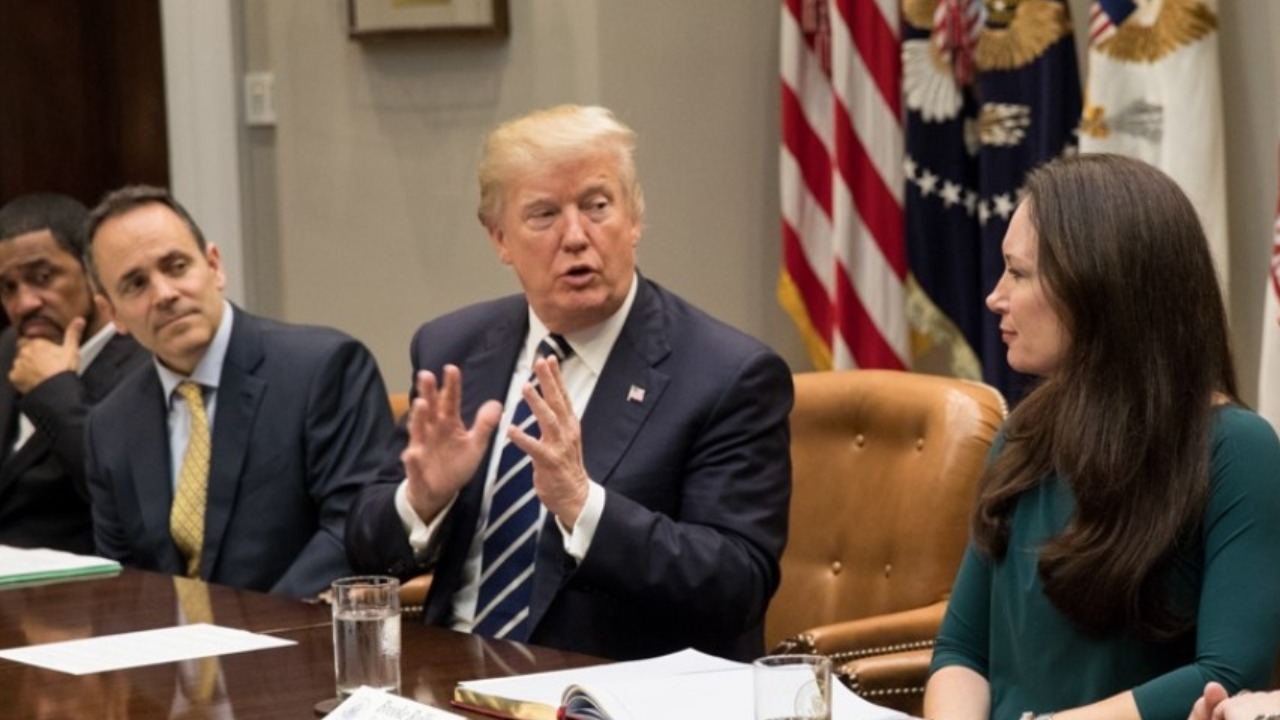
Donald Trump’s relationship with the oil industry has usually been defined by mutual convenience, not confrontation. So when a prominent energy executive publicly challenged his approach, the reaction inside the White House was described by one aide as pure blowback, the kind that comes when a president expects deference and instead gets a blunt reality check. The clash exposed not only Trump’s temper but also the growing unease in parts of the energy sector over how his politics intersect with global oil markets and U.S. foreign policy.
At stake is more than one bruised ego. The episode highlighted how Trump’s instinct for personal feuds can collide with the strategic calculations of executives who have to answer to shareholders, regulators, and foreign governments. It also underscored how his handling of Venezuela, sanctions, and domestic production has become a flashpoint inside an industry that once treated him as a largely reliable ally.
Inside the Oval Office blowup
According to people familiar with the exchange, the confrontation began when an oil executive pushed back on Trump’s insistence that his policies alone were responsible for keeping gasoline prices in check. The executive, described by colleagues as direct to a fault, pointed out that global supply, OPEC decisions, and the fragile recovery of Venezuelan output all mattered more than any single White House order. That candor, the aides said, landed badly. Trump, who has long boasted that he could call “the head of Exxon” and dictate production, bristled at the suggestion that markets, not his will, were in charge, a tension that has hovered over his rhetoric on Venezuela and sanctions relief.
The president’s frustration soon spilled into public view. During a later appearance at the White House, Trump veered off prepared remarks to take an unprompted swipe at an unnamed oil executive, saying the man “has got some other problems” and hinting that his company’s performance was not as strong as advertised. The jab, captured in a video that quickly circulated among traders and lobbyists, was widely read in industry circles as payback for the earlier challenge. One adviser summed up the mood by saying that the executive had tried to give Trump an unvarnished assessment of the market, and “blowback is what he got.”
Oil, Venezuela, and a president who hates being contradicted
The dispute cannot be separated from Trump’s broader struggle to control the narrative around oil prices and Venezuela. For years he has argued that his pressure campaign on Nicolás Maduro would unlock new opportunities for U.S. companies, even as sanctions and political turmoil kept much of the country’s production offline. Recent reporting on the fragile talks between the Maduro government and opposition figure María Corina Machado has underscored how volatile the situation remains, with U.S. threats and incentives shaping every move in Caracas. Executives who operate in that environment have grown wary of Trump’s habit of promising quick wins in a country where nothing moves quickly.
Critics have also drawn a straight line from Trump’s Venezuela posture to a longer history of U.S. interference in Latin American oil politics. One detailed essay compared his sanctions and regime-change rhetoric to the “ghost of Nixon,” arguing that the White House has treated Venezuelan crude as a geopolitical lever first and an economic resource second. That analysis, shared widely among activists and some policy staffers, framed Trump’s approach to Venezuela as a replay of older, discredited strategies. When an oil executive tells the president that such tactics complicate investment decisions, it is not just a personal slight, it is a challenge to a worldview that casts him as the central actor in every drama.
Industry backlash and the politics of energy loyalty
Trump has tried to shield himself from that kind of criticism by leaning on partisan talking points that portray Democrats as the real threat to domestic production. His allies frequently cite past comments from Democratic leaders about phasing out fossil fuels, arguing that those “own words” prove Republicans are the only reliable partners for drillers and refiners. In one widely circulated compilation, Trump’s team highlighted remarks from prominent Democrats about banning fracking and limiting new leases, using those clips to claim that Democrats had effectively endorsed his warnings about energy policy. Inside the industry, however, executives have grown more skeptical of framing every regulatory debate as a loyalty test to the president.
That skepticism has surfaced in public ways. A recent report described how segments of the U.S. energy sector “slammed” Trump for comments that, in their view, misrepresented how pricing and investment decisions are made. Trade groups and individual companies pushed back on his claims about instant production surges, warning that such rhetoric ignores the capital cycles and global constraints that shape their business. The criticism, detailed in coverage of the energy industry, signaled that some executives are no longer willing to quietly absorb presidential outbursts that could spook investors or foreign partners.
More From TheDailyOverview

Grant Mercer covers market dynamics, business trends, and the economic forces driving growth across industries. His analysis connects macro movements with real-world implications for investors, entrepreneurs, and professionals. Through his work at The Daily Overview, Grant helps readers understand how markets function and where opportunities may emerge.

