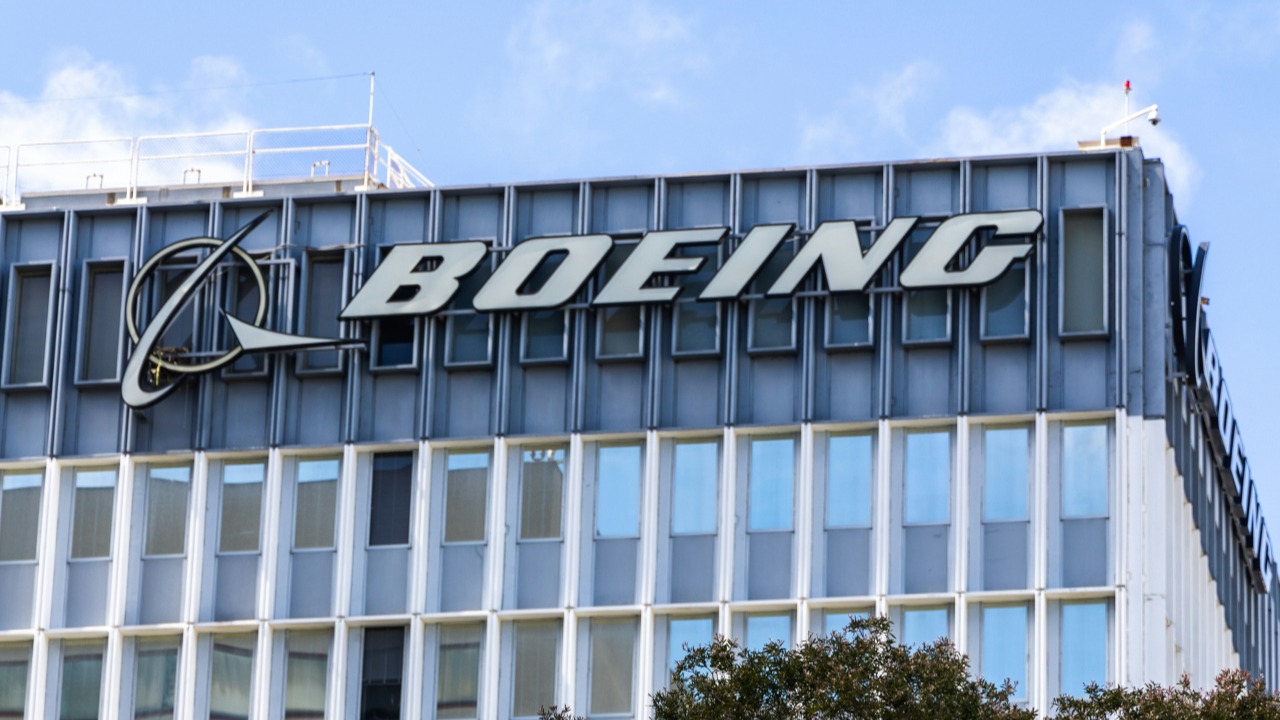
Boeing is once again navigating turbulent times as its workforce initiates a strike, halting production lines and raising concerns about the company’s operational momentum. The latest strike, involving thousands of workers, highlights ongoing disputes over labor contracts and worker rights, reminiscent of past challenges the aerospace giant has faced.
Background of the Current Strike

Details of the Strike
The latest strike at Boeing involves approximately 3,200 workers who are integral to the production of military aircraft, including advanced fighter jets. These employees, who are primarily based in the St. Louis area, are responsible for assembling critical components of Boeing’s defense products. The walkout has significantly disrupted production activities, causing delays particularly in the manufacturing of fighter jets, which could impact delivery schedules to key defense clients.
The strike, which commenced in early August 2025, has drawn significant attention due to its scale and potential impact on Boeing’s operations. The location of the strike, primarily centered in Missouri, is crucial as it houses major Boeing facilities dedicated to defense production. The immediate effect of the strike has been a standstill in production lines, forcing Boeing to consider alternative strategies to maintain its operational commitments.
Reasons Behind the Strike
The primary catalyst for the strike is a dispute over labor contracts. Workers have expressed dissatisfaction with Boeing’s latest contract proposals, which they argue do not sufficiently address their demands for better wages, improved healthcare benefits, and enhanced job security. The union representing the workers has highlighted the stark contrast between the company’s financial performance and the compensation offered to its employees, arguing for a fairer share of the company’s profits.
This strike is not an isolated incident but part of a broader pattern of labor unrest at Boeing. Historically, the company has faced several significant strikes, each rooted in similar issues of wage disputes and working conditions. For instance, in 2008, Boeing experienced a strike that lasted eight weeks, severely impacting its production schedules and financial outcomes. The current strike echoes these past challenges, underscoring the ongoing tension between management and labor forces within the company.
Impact on Boeing’s Operations
Production Delays and Financial Implications
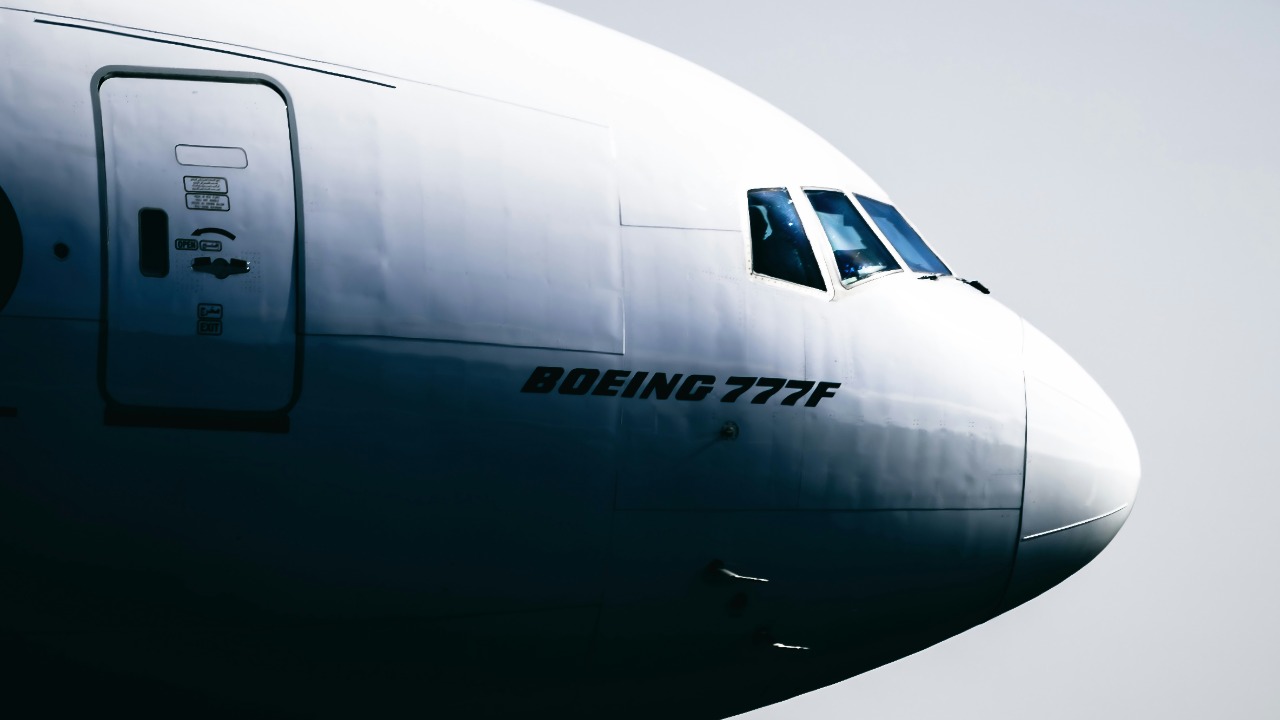
The strike has introduced considerable disruptions to Boeing’s production timelines, particularly affecting their defense segment. With thousands of workers on strike, the company faces potential delays in fulfilling its contractual obligations, especially concerning the delivery of fighter jets to government and international clients. Such delays could result in financial penalties and increased costs, further complicating Boeing’s financial outlook.
The financial repercussions of the strike extend beyond immediate production delays. As the strike prolongs, Boeing risks incurring significant cost overruns, which could impact its profitability. Furthermore, the uncertainty surrounding the strike may affect investor confidence, potentially influencing Boeing’s stock performance. With defense contracts often tied to strict delivery schedules, any delays could jeopardize future opportunities and strain relationships with key clients.
Broader Industry Consequences
The ramifications of the strike are not confined to Boeing alone but extend throughout the aerospace industry. As a major player in the defense sector, any disruptions at Boeing have a cascading effect on its extensive supply chain. Subcontractors and suppliers dependent on Boeing’s operations may experience reduced orders and financial strain, threatening their viability and the stability of the supply chain.
Moreover, the strike poses reputational risks for Boeing, particularly concerning its defense clients. Delays in delivering critical military equipment can undermine confidence in Boeing’s ability to meet its commitments, potentially driving clients to seek alternatives. This could have long-term implications for Boeing’s standing in the defense industry and its ability to secure future contracts.
Responses and Negotiations

Boeing’s Strategy and Communication
In response to the strike, Boeing has publicly expressed its commitment to resolving the conflict through negotiations. The company has highlighted its efforts to engage with union representatives and address the concerns of its workforce. Boeing’s official statements emphasize the importance of reaching a mutually beneficial agreement to ensure the continuity of its operations.
To mitigate the impact of the strike, Boeing is reportedly exploring interim measures, including reallocating resources and adjusting production schedules. These strategies aim to maintain some level of operational continuity while negotiations continue. However, the effectiveness of these measures remains uncertain, given the scale of the strike and the critical roles of the striking workers in the production process.
Union and Worker Perspectives
The union representing the striking workers has been vocal about its demands, advocating for improved wages, better benefits, and greater job security. Union leaders argue that Boeing’s recent financial performance justifies such demands, pointing to the company’s profitability and executive compensation packages. The union’s strategy involves leveraging public support and media attention to pressure Boeing into conceding to their demands.
Striking workers have shared their perspectives, emphasizing the challenges they face in the current economic climate. Many workers express frustration with what they perceive as unfair labor practices and inadequate compensation. Testimonials from striking employees highlight their determination to secure better terms, reflecting a broader sentiment of discontent among the workforce.
Historical Context and Future Outlook
Past Strikes and Resolutions
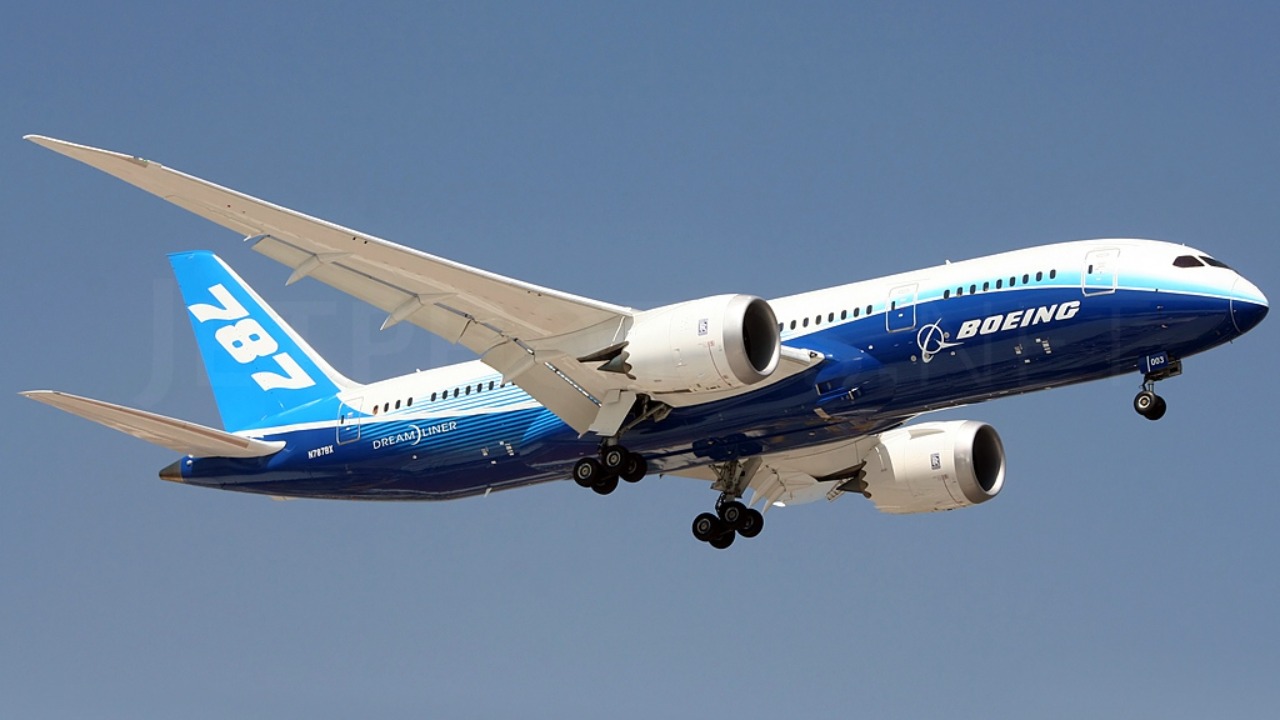
Boeing’s history is punctuated with notable strikes, each leaving a significant mark on the company’s operations and labor relations. For example, the 2008 strike, which lasted over two months, resulted in substantial production delays and financial losses. The resolution of that strike involved significant concessions from Boeing, including improved wages and benefits for workers.
These past experiences have provided valuable lessons for both Boeing and its workforce. While strikes can be costly and disruptive, they also serve as catalysts for change, prompting companies to reevaluate their labor practices and address worker concerns. The current strike presents an opportunity for Boeing to learn from its history and foster a more collaborative relationship with its workforce.
Potential Outcomes and Future Negotiations
The outcome of the current strike remains uncertain, with both sides holding firm in their positions. However, potential resolutions could involve compromises on key issues such as wages and benefits, allowing Boeing to resume normal operations. The conclusion of the strike could also set a precedent for future labor negotiations, influencing contract discussions across the aerospace industry.
Looking ahead, the implications of the strike extend beyond Boeing, potentially shaping labor relations in the broader aerospace sector. As the industry grapples with evolving economic conditions and workforce expectations, companies may need to adopt more proactive approaches to labor negotiations. The outcome of Boeing’s current labor dispute could serve as a bellwether for future contract negotiations, impacting the dynamics of employer-employee relations in the aerospace industry.

Grant Mercer covers market dynamics, business trends, and the economic forces driving growth across industries. His analysis connects macro movements with real-world implications for investors, entrepreneurs, and professionals. Through his work at The Daily Overview, Grant helps readers understand how markets function and where opportunities may emerge.

