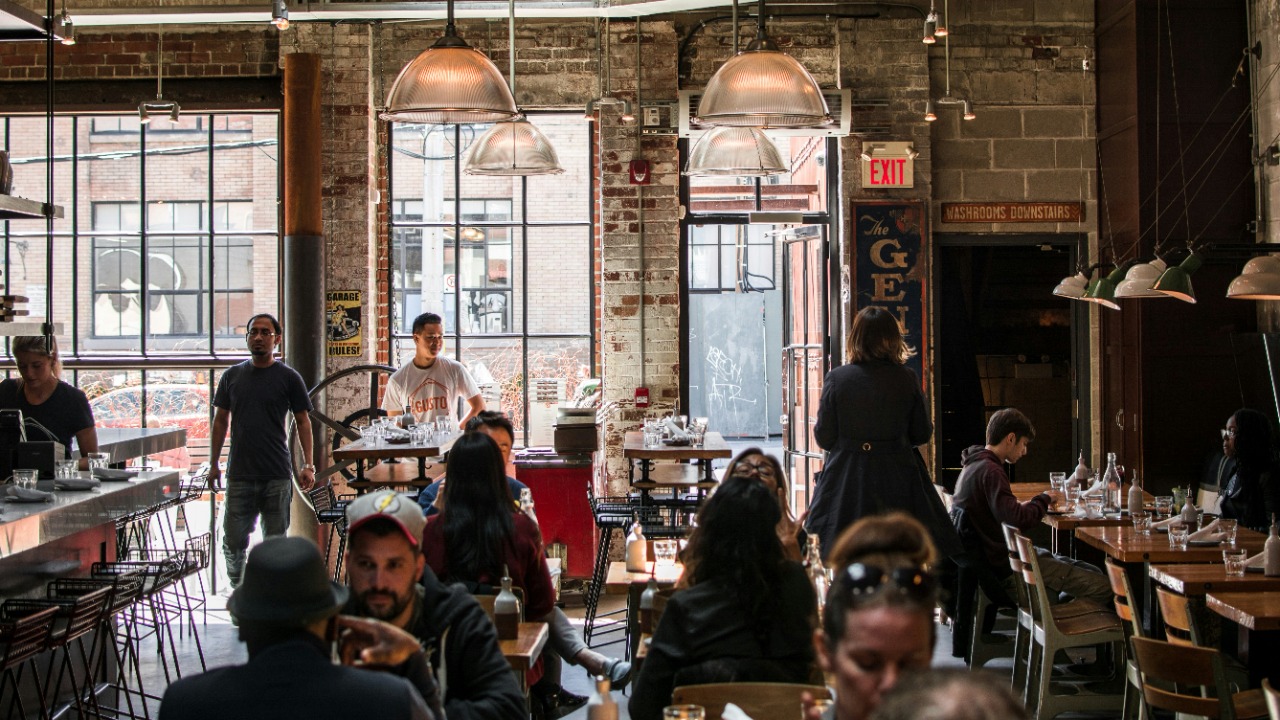
Dining out should be an enjoyable experience, yet many restaurants use subtle tactics to inflate bills and increase profits at the expense of unsuspecting customers. By delving into the strategies employed, we can become more informed diners and avoid falling prey to these sneaky tricks.
Menu Manipulation
Decoy Pricing
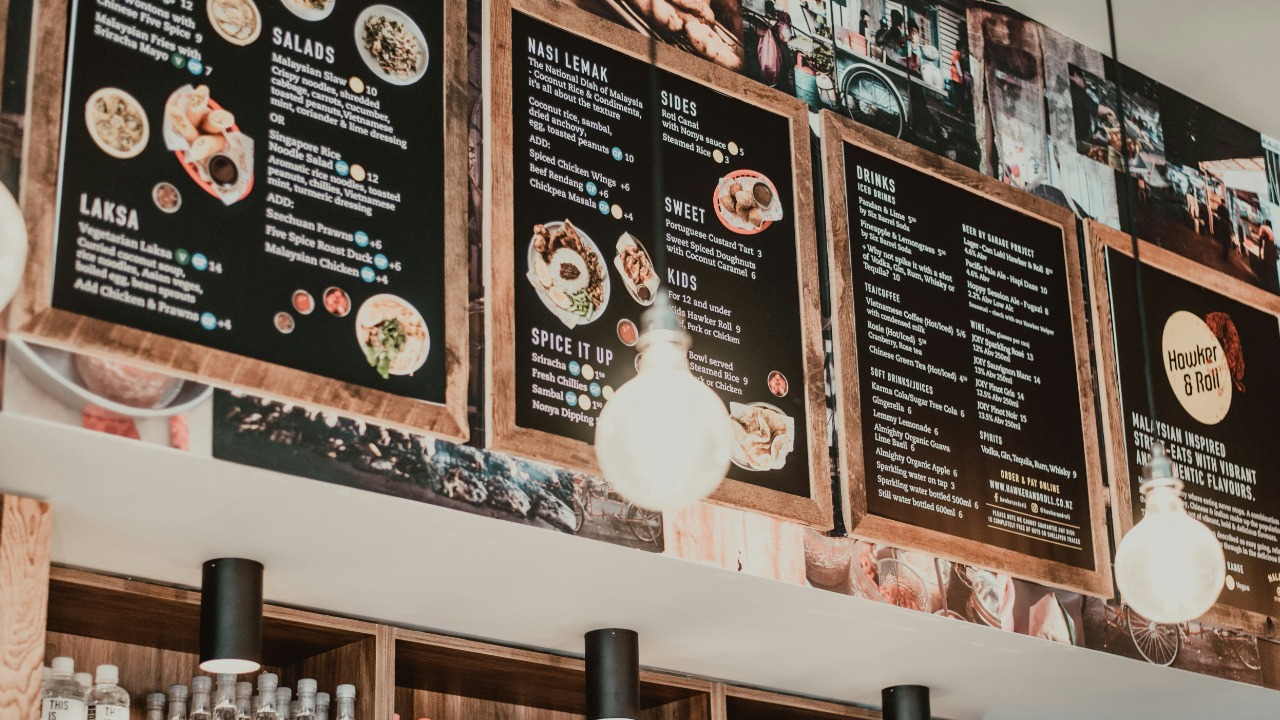
One of the most common tricks in a restaurant’s playbook is decoy pricing. By strategically placing a few high-priced items on the menu, restaurants make other dishes appear more reasonably priced. For instance, a $50 steak may sit next to a $30 chicken dish, making the latter seem like a bargain. This tactic can subtly push diners toward more expensive options than they might otherwise choose.
Menu Design Psychology
Restaurants often employ menu design psychology to influence customers’ choices. The use of specific colors, fonts, and layouts can guide a diner’s eye to the most profitable items. Red, for example, is known to stimulate appetite, while gold implies luxury. Furthermore, menus are often designed without dollar signs, reducing the “pain” of spending money and encouraging higher expenditures.
Portion Size Deception
Shrinkflation Tactics
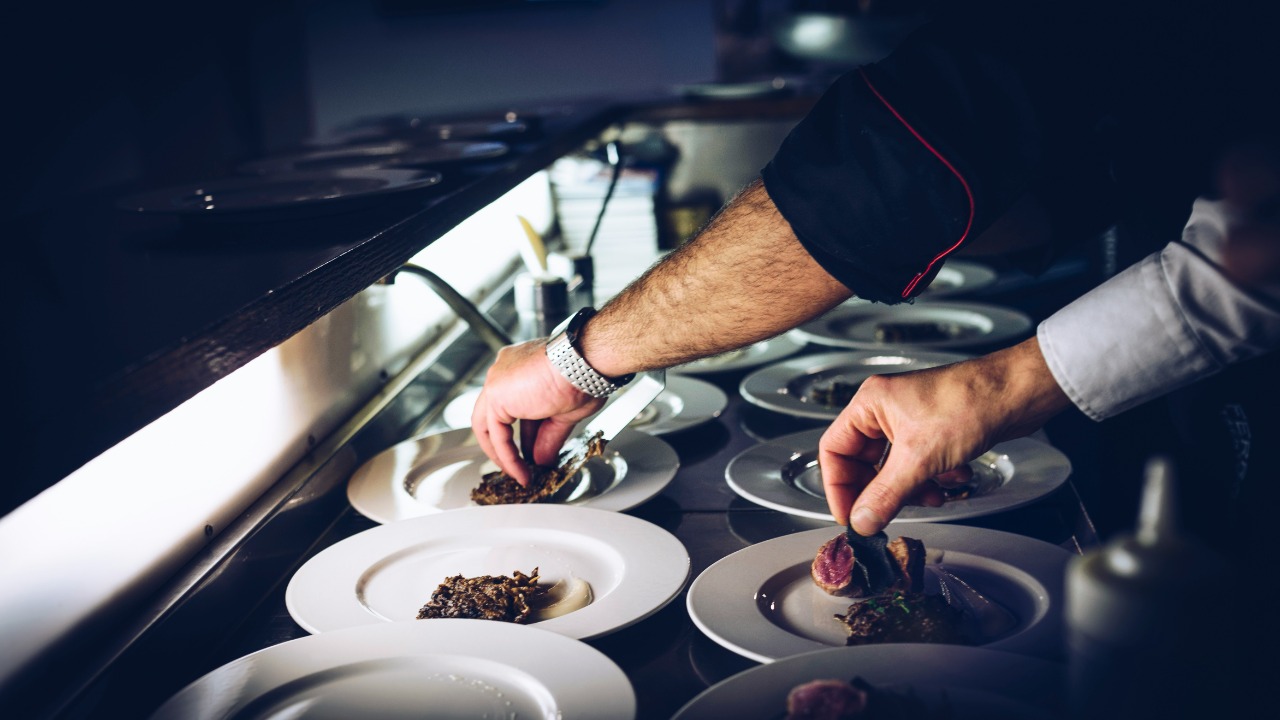
Another tactic that has become increasingly common is shrinkflation. This involves reducing portion sizes while maintaining the same price, thereby camouflaging cost increases. Customers may not immediately notice that their favorite dish has shrunk, but over time, they could realize they’re getting less for the same price. This practice allows restaurants to manage rising costs without overtly raising menu prices.
Plate Size Illusion
Restaurants also use the plate size illusion to create a sense of abundance. By serving food on large plates, portions can appear more substantial than they actually are. This optical illusion can deceive diners into thinking they are receiving a full meal, even when the amount of food is less than expected.
Ingredient Substitutions
Quality Downgrades
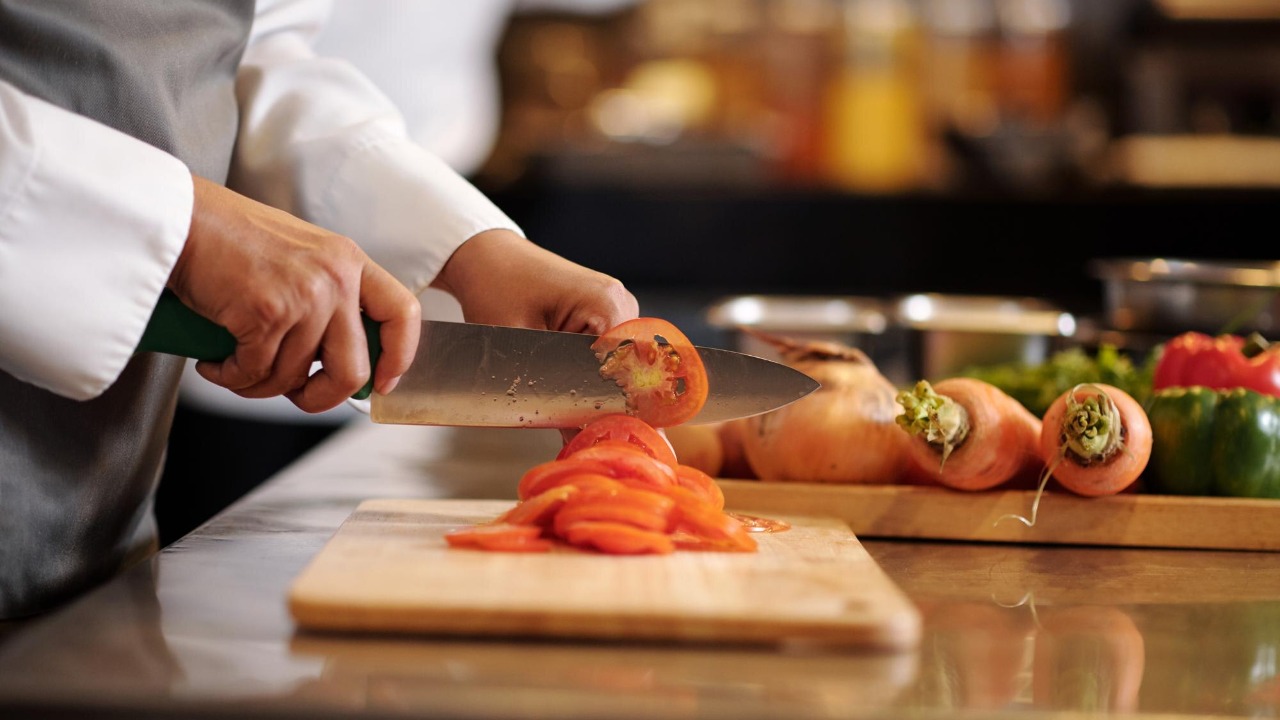
Some restaurants cut costs by swapping premium ingredients for cheaper alternatives without informing customers. For example, a dish advertised as containing authentic crab might use imitation crab meat instead. Such substitutions can significantly impact the quality and authenticity of a meal, leaving diners unaware that they are getting less than what they paid for.
Misleading Labels
Terms like “homemade” or “artisan” can be misleading, used to justify higher prices for otherwise standard ingredients. Restaurants may label a sauce as “homemade” even if it’s mass-produced. Similarly, “artisan” bread might come from a factory, not a craft baker. These labels exploit diners’ assumptions about quality and authenticity, allowing restaurants to charge more for commonplace foods.
Service Charge Schemes
Automatic Gratuity
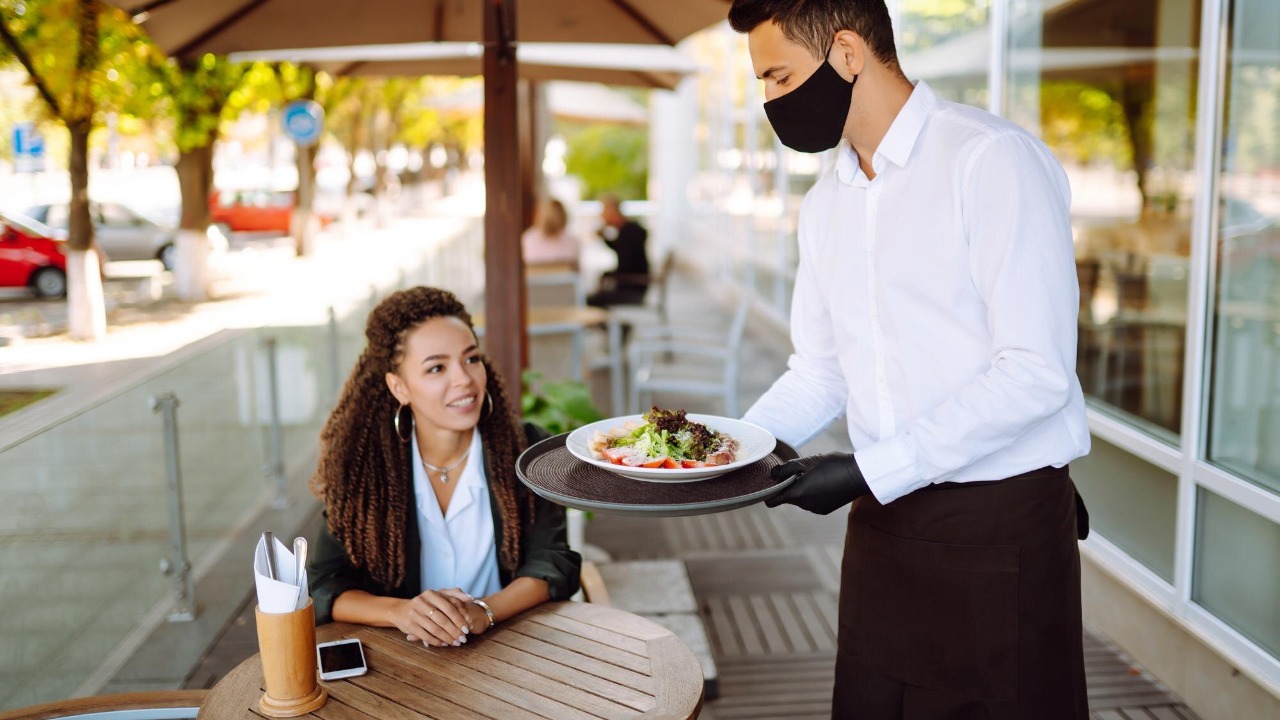
Some restaurants add an automatic gratuity to the bill without clearly communicating it to customers. This can lead to customers inadvertently tipping twice. While automatic gratuity is sometimes justified for large groups, it should be clearly stated on the menu or by the server. The lack of transparency can cause confusion and frustration among diners, who may feel pressured to tip on top of the added charge.
Confusing Charges
In addition to automatic gratuities, some establishments include ambiguous fees on the bill. These charges might be labeled as “service fees” or “administration fees” and appear discretionary. However, they are often mandatory costs, and diners may not realize they are paying them until they review the bill closely. This lack of clarity can leave customers feeling deceived.
Beverage Markup Strategies
Upselling Techniques
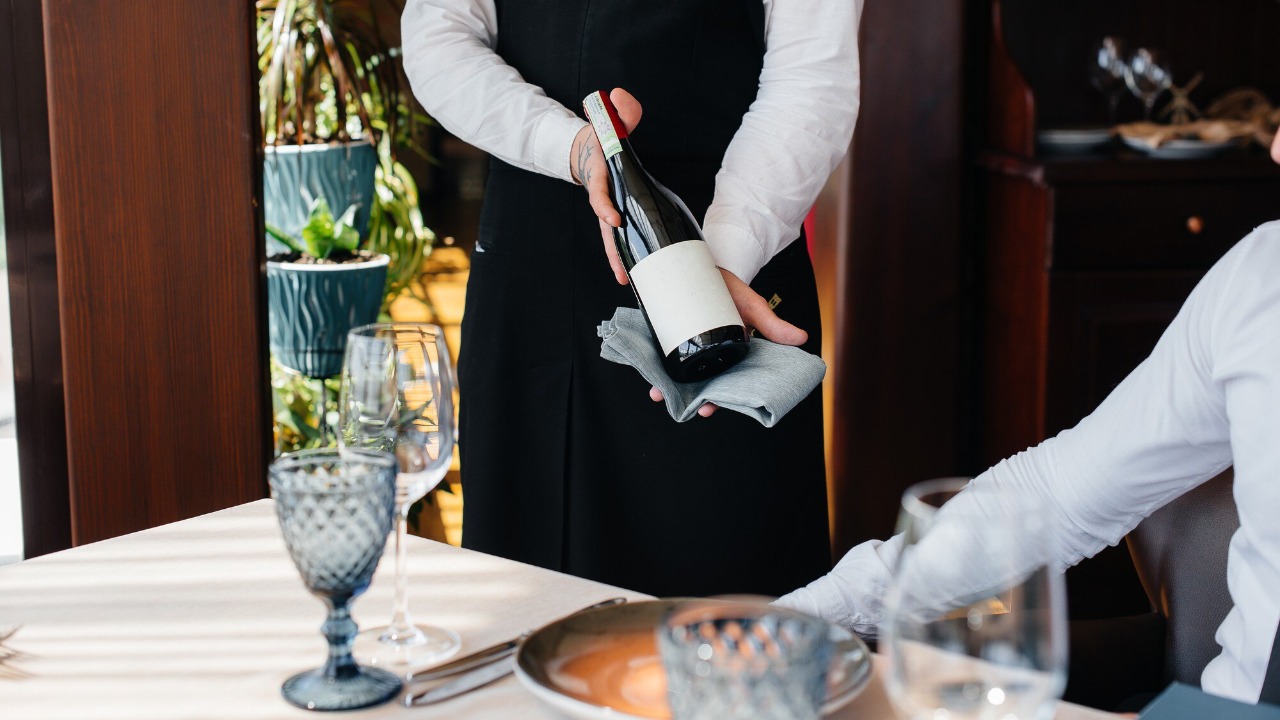
Staff in many restaurants are trained to employ upselling techniques to boost revenue from beverages. Waiters might suggest a more expensive cocktail or a premium spirit to accompany a meal. While this might enhance the dining experience, it can also subtly increase the overall bill. Diners should be aware of these tactics and make informed choices about whether they want to indulge in higher-priced options.
Wine List Pricing
The strategic markup of wine bottles is another common practice. Restaurants may price bottles at several times their retail value, creating an illusion of value, especially with house selections. Diners might feel they are getting a good deal when choosing the house wine, but in reality, the markup can be substantial. Savvy customers may prefer to research wine prices independently or ask the sommelier for honest recommendations.

Cole Whitaker focuses on the fundamentals of money management, helping readers make smarter decisions around income, spending, saving, and long-term financial stability. His writing emphasizes clarity, discipline, and practical systems that work in real life. At The Daily Overview, Cole breaks down personal finance topics into straightforward guidance readers can apply immediately.

