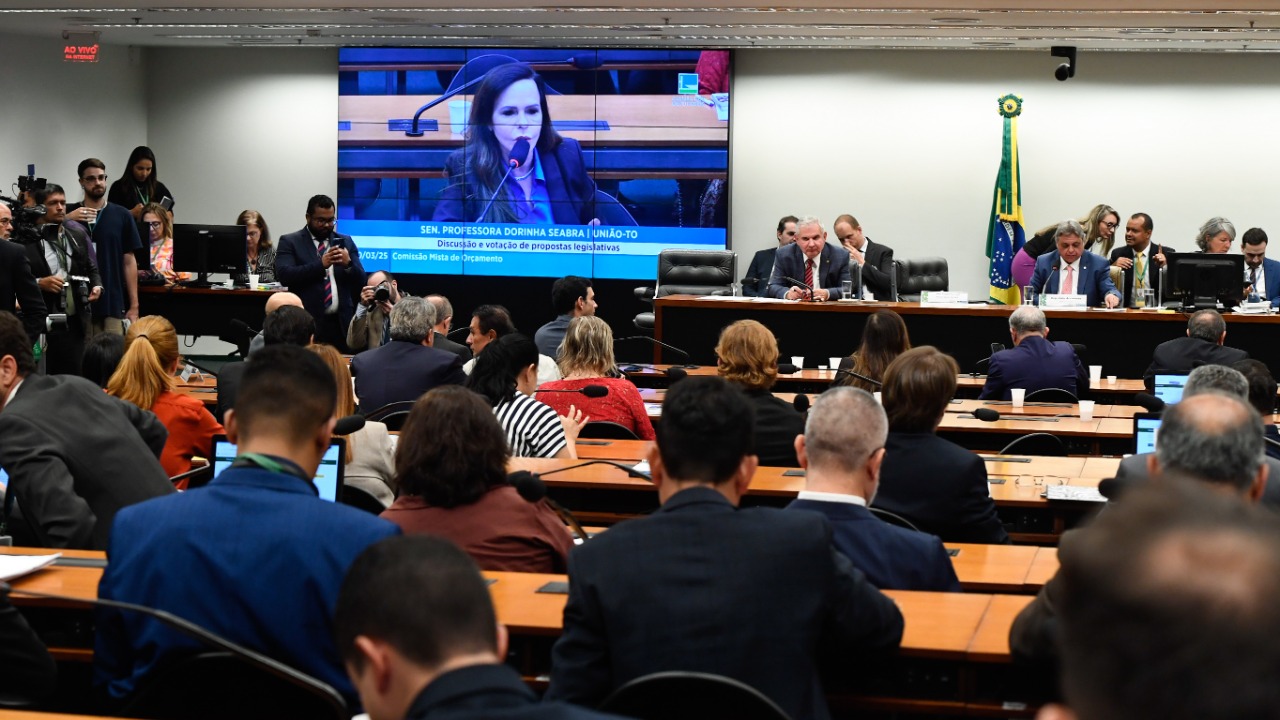
Brazil’s Senate has taken a significant step toward reshaping the country’s tax landscape by approving legislation that exempts millions of lower- and middle-income earners from income tax while introducing a new levy on the wealthy. This reform, passed on November 5, 2025, aims to alleviate the tax burden on the middle class by raising the exemption threshold and shifting more fiscal responsibility to high earners. The measures are part of a broader push for progressive taxation, reflecting a strategic move to address income inequality in Brazil.
Senate Approval Process
The Brazilian Senate’s approval of the tax reform on November 5, 2025, marks a pivotal moment in the country’s legislative efforts to address economic disparities. The proposal, which originated from government initiatives focused on reducing income inequality, underwent a series of procedural steps before reaching the Senate floor. The legislative process involved extensive debates and negotiations, reflecting the complexity and significance of the proposed changes. The approval signifies a commitment to restructuring the tax system in a way that promotes fairness and equity.
Following the Senate’s approval, the next steps involve a potential review by President Luiz Inácio Lula da Silva, who is expected to support the reform given its alignment with his administration’s goals. The implementation timeline will likely be a focal point for both policymakers and the public, as the changes are anticipated to have immediate and long-term impacts on Brazil’s economic landscape. The reform’s passage in the Senate underscores a broader legislative context where addressing income inequality has become a central theme.
Income Tax Exemptions for Millions
The core provision of the newly approved legislation is the exemption of millions of Brazilians from income tax, specifically targeting the middle class. By adjusting income brackets, the reform provides substantial relief to a significant portion of the population, effectively reducing the tax load on lower- and middle-income groups. This change is expected to benefit millions, as the Senate-approved bill directly addresses the financial pressures faced by these demographics.
The fiscal rationale behind raising exemption levels is rooted in the desire to stimulate economic activity by increasing disposable income for a large segment of the population. By alleviating the tax burden on those who are most affected by economic fluctuations, the government aims to foster a more equitable distribution of wealth. This approach not only supports individual financial stability but also contributes to broader economic growth by enhancing consumer spending power.
New Levies on the Rich
In tandem with the tax exemptions for the middle class, the Senate’s approval includes the introduction of a new levy on the rich. This measure targets high-income individuals, aiming to generate additional revenue through progressive taxation. The boosted levies are designed to ensure that wealthier segments of the population contribute a fairer share to the national coffers, balancing the exemptions granted to millions of others.
The specifics of the levy structure are crafted to address the disparities in income distribution, with the goal of creating a more balanced fiscal environment. By focusing on high earners, the government seeks to redistribute resources in a manner that supports social and economic equity. This approach aligns with global trends toward progressive taxation, where wealthier individuals are expected to shoulder a larger portion of the tax burden to support public services and infrastructure.
Broader Economic Implications
The potential impact of these legislative changes on Brazil’s economy is significant, as the reform represents a shift in revenue generation strategies. By exempting millions from income tax while boosting levies on the rich, the government anticipates a realignment of fiscal resources. This shift is expected to enhance economic stability by promoting a more equitable distribution of wealth and reducing the financial strain on middle-class families.
Reactions from stakeholders, including government officials and economic analysts, highlight the transformative nature of the Senate’s approval. While some view the changes as a necessary step toward addressing income inequality, others express concerns about the potential challenges in implementation and enforcement. The long-term effects on income distribution and fiscal policy in Brazil will be closely monitored, as the November 5, 2025, legislative changes set the stage for a new era of economic governance.
As Brazil embarks on this path of progressive taxation, the broader implications for the country’s economic landscape are profound. The reform not only addresses immediate fiscal challenges but also positions Brazil as a leader in adopting equitable tax policies. By prioritizing the needs of the middle class and ensuring that the wealthy contribute their fair share, the government aims to foster a more inclusive and sustainable economic future.
For more detailed insights, you can read the full reports on Bloomberg and Reuters.
More From TheDailyOverview
- Dave Ramsey warns to stop 401(k) contributions
- 11 night jobs you can do from home (not exciting but steady)
- Small U.S. cities ready to boom next
- 19 things boomers should never sell no matter what

Julian Harrow specializes in taxation, IRS rules, and compliance strategy. His work helps readers navigate complex tax codes, deadlines, and reporting requirements while identifying opportunities for efficiency and risk reduction. At The Daily Overview, Julian breaks down tax-related topics with precision and clarity, making a traditionally dense subject easier to understand.

